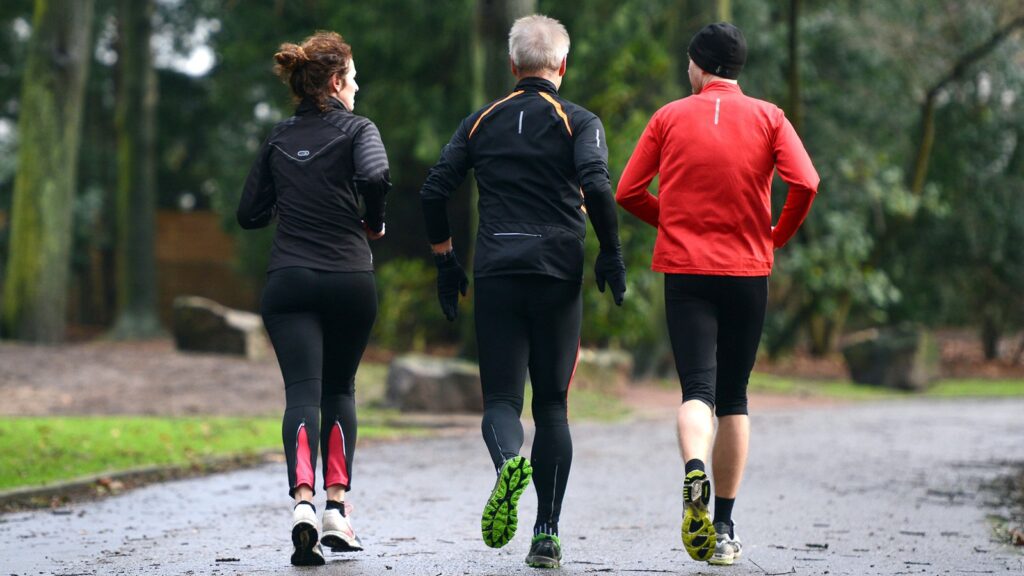
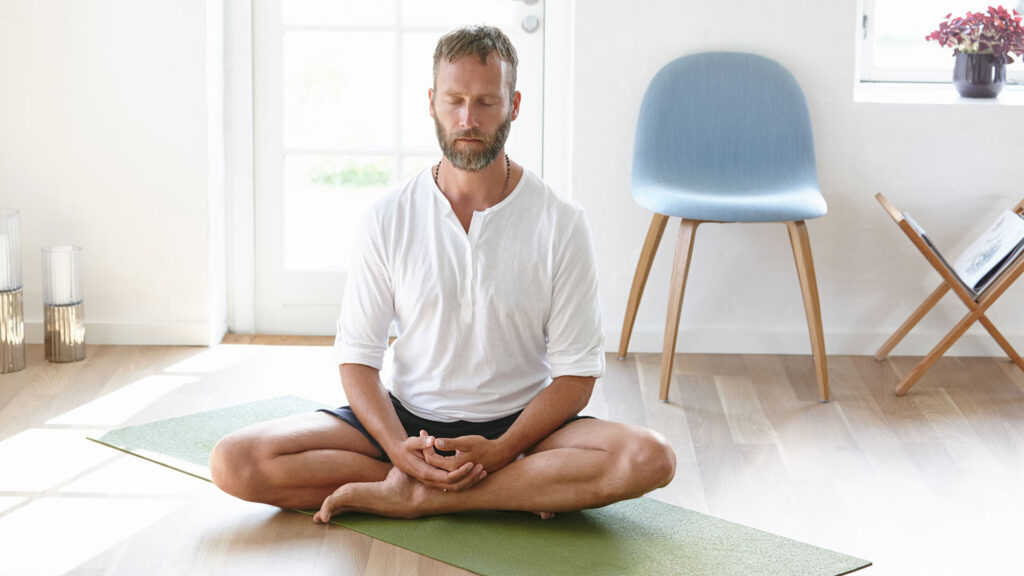
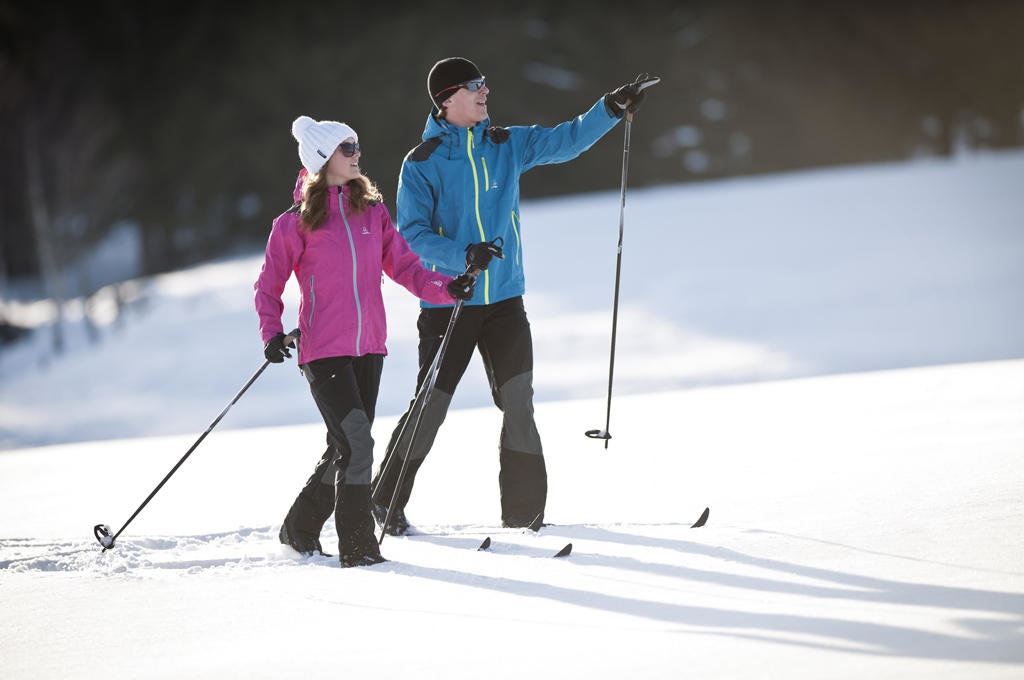
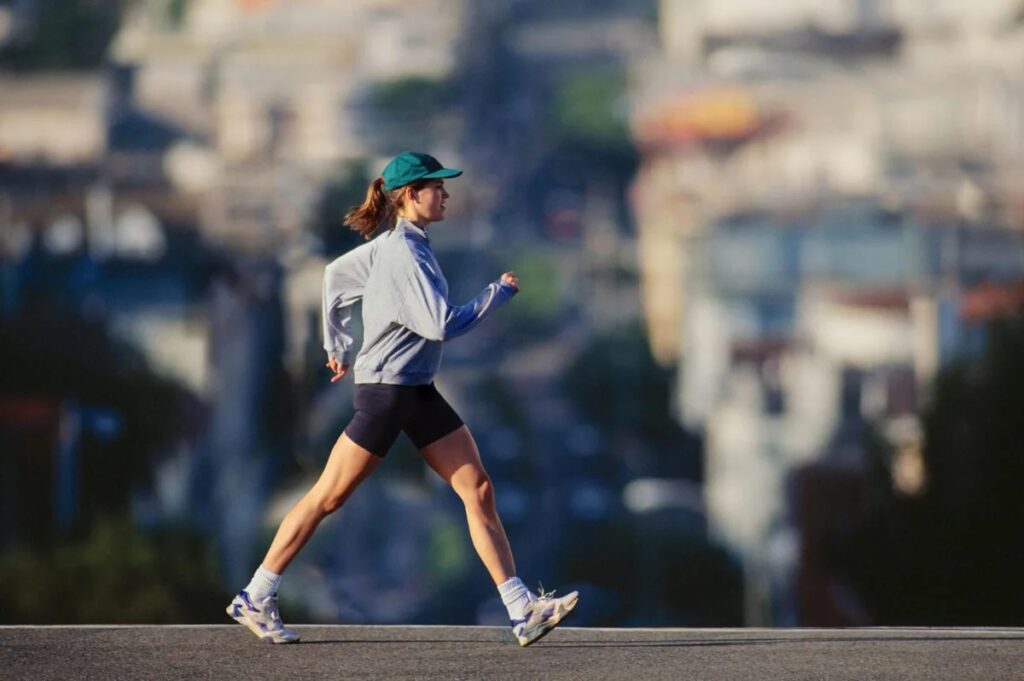
4 ways to burn fat without heavy workouts
It is commonly believed that fat burns only during hard workouts. But also  metabolism is responsible for active fat burning, it is enough to increase it and fat will not linger on your body.

It is worth remembering that over the years, many processes of our body slow down and metabolism is no exception. And with the slowing down of metabolism, fat cells quite actively begin to be deposited in some parts of the body.

This can be avoided.

1. Proper nutrition.
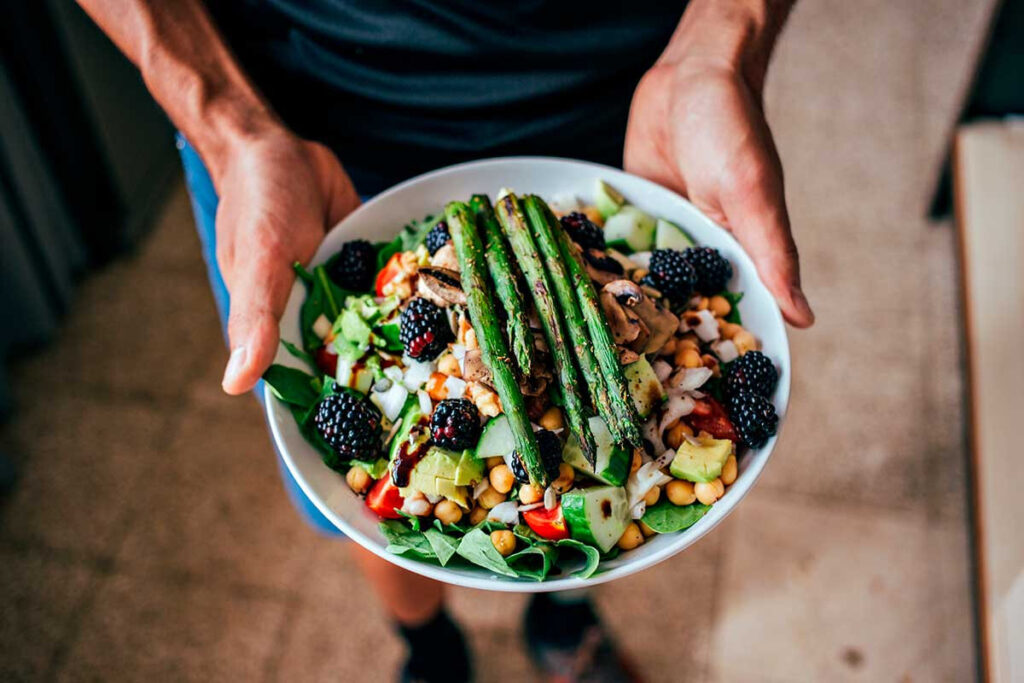
Proper nutrition is the main point of weight loss. It is also worth completely reviewing your diet and getting rid of harmful products and replacing them with useful ones. It is necessary to understand that without a calorie deficit, fat will not oxidize and burn. The body should receive much fewer calories than it spends, only then it will take the missing energy from fat deposits.

You can add spicy foods such as chili pepper. It contains Capsaicin, it affects the metabolic rate.

Also add:
turmeric;
ginger;
cinnamon.

It is necessary to eat more protein foods and vegetables, and as for cereals, it is worth giving preference to whole grains and dark-colored cereals. It’s worth consuming complex carbohydrates, not fast ones. Such cereals are more difficult to digest by the body and at the time of their assimilation force the body to spend more energy than before.

2. Contrast shower.
Taking a shower and changing the temperature helps to improve blood circulation in the body. It is used in the fight against cellulite and in strengthening the skin. And because of the change in temperature, the body has to spend a lot of energy to maintain a normal body temperature.

3. Water balance.
You need to drink water regardless of whether you lose weight or gain muscle mass on the contrary. Water is involved in many processes of our body and also contributes to fat burning. 

Water is very important for the body, as it accelerates metabolism.

4. Hiking or Cycling.
To maintain a fast metabolism, physical activity is important anyway. 

3 reasons why you don’t have a 6 pack

Everyone has ABS, just those who are not overweight, it is visible better and vice versa. In this article we will talk about why many people can’t pump up 6 pack.

It is important to understand what core is, many people confuse and say that Abs and Core are the same thing. But performing classical exercises, the core does not pump up. Since the core is pumped by many exercises and squats too.

The core is the muscles that are responsible for stabilizing the spine, hips and pelvis.

Below we list the main reasons why you do not have a 6 pack.


1. NUTRITION.
The fact is that 80% of the success of obtaining abs pack depends on the diet. I always say that no matter how tough and exhausting the workouts are, they will not make the abs beautiful. Without a doubt, training builds abdominal muscles, but the kitchen cuts and draws it.

The abs are no different from other muscles and it also needs to be trained according to the principles of hypertrophy. And the kitchen (proper nutrition) helps to reduce the level of body fat.

You need to understand that Training will not give the proper result without proper nutrition and vice versa. Eating without proper training is a waste of time.

2. PRIORITIES.
In order to pump up a particular muscle group, it needs to be given a sufficient amount of time.

I’m not saying that doing abs exercises at the beginning of a workout as a warm-up or at the end is bad. But if the goal is to pump up other muscle groups. But if you want to pump up powerful abs, you should focus on pumping it.

Therefore, exercises on the abs must be fully added to your workouts.

3. PRINCIPLES OF HYPERTROPHY.
The fact is that for some muscles, or rather to awaken the metabolic process, more repetitions are needed. 10-12 repetitions are enough for one person to feel a burning sensation in them, and 20 repetitions are enough for others. But it also depends on the type of exercise performed.

That is why it is very important to choose the right exercises and training style for yourself. It is good enough to feel the abs when doing exercises.

Try to perform fast repetitions of about 70% of the total number of repetitions, and perform the remaining 30% slowly. Perhaps this method will suit you. Experiment, because each person is different.

Remember exercises with your own weight will draw the press well, and with additional weights allow the abdominal muscles to grow.

What not to eat for dinner and breakfast

Let’s talk about the products that should not be eaten for breakfast.

Oranges or orange juice.
Do not drink orange juice or oranges on an empty stomach. The fact is that the body after we woke up needs rehydration, since it was without water all night. And orange juice has an aggressive environment. This juice contains strong acids that can lead to digestive problems.

Smoked meats and raw vegetables.
If you eat these foods in the morning, they will irritate the stomach and cause stomach cramps.

Cold drinks.
Due to the fact that the water will be cold, it is more difficult for the body to start digestion in the morning. Therefore, it is recommended to always warm up drinks and food in the morning before eating it, so that there are no problems with digestion and the stomach works as it should.

Coffee.
By itself, coffee increases the secretion of gastric juice, if you drink it regularly as soon as you wake up, it can lead to gastritis.

Sweet.
It is strictly forbidden to eat sweets on an empty stomach, since sweets sharply raise blood sugar levels, but after 1 hour you will want to eat again.

It is best to eat for breakfast :
– oatmeal or buckwheat porridge;
– cottage cheese with honey, dried fruits or nuts;
– boiled eggs or omelet;
– sandwiches with hard cheese and herbs;
– tea and stewed vegetables.

What foods should not be eaten for dinner.

Sweets and bakery products.
Such products are digested very quickly and have a high calorie content, and due to the fact that energy is not spent during sleep, it is stored in fat.

Protein products of animal origin.
These foods take too long to digest for about 4 hours, and the stomach naturally works when it needs to rest and this loads it heavily.

Alcohol and coffee.
Alcohol itself is harmful, but it causes headaches, reduces the quality of sleep, which entails frequent awakenings. But if we slept badly, then the working day may not be set.

It is best to eat for dinner:
– vegetables and fruits (celery, beets, baked potatoes and apples);
– kefir;
– non-fatty fish varieties.

4 morning habits that will help burn fat

If you start a new day correctly, it will not only set the right rhythm for the whole day, but also help to keep an excellent body shape without extra pounds.

We will talk about habits that will significantly enhance the effect of weight loss.

So what should you do every morning?

Sleep.

Not proper and not enough sleep is the problem of most people. And lack of sleep leads to exhaustion of the body, it in turn gets stressed and simply does not have time to recover.

As scientists have proved, sleep is directly related to overeating (that is, if you do not get enough sleep, the body will require more energy from food, well, or sleep more-eat less).

Remember that poor sleep has a very negative effect on the nervous system and hormonal background.

Healthy breakfast.

Breakfast should consist mainly of protein foods and then you will stay full longer, and your blood sugar level will be normal.

Vitamin D.

Take vitamin D if you live in conditions of lack of sun. It has been proven that metabolism directly depends on Vitamin D, and if you have a good metabolism, then fat deposition is minimized.

Training in the morning.

A morning that starts with movement is much more useful, and the metabolic processes in the body are turned on for the whole day. 

Walking.

A great tool for burning extra pounds. The huge advantages are that you do not need to have any special skills and have some kind of tool. The walk allows you to enjoy the scenery and the fresh morning air.

4 main factors that prevent you from losing weight

Over the years of my training and working as a fitness trainer, I have identified 4 of the most important factors that prevent from losing weight.

Lack of knowledge.

Before you do something, you just need to have at least minimal knowledge and understanding. It is necessary to know at least the basics of proper nutrition. To do this, you should study the information from trusted sources or just consult with a professional.

After all, if you don’t eat right, then you can simply stand still or, worse, start gaining extra pounds. But if you eat right, then weight loss will pass quickly and with positive emotions.

Limits and Limitations.

I often meet people who are not happy during weight loss, and all this is due to the fact that they perceive the situation as hard work. They initially perceive a healthy lifestyle on a psychological level as limitations, putting themselves in the framework. This hinders the weight loss process as much as possible, and often people stop exercising.

To prevent this from happening, the situation should be perceived as a gift to yourself. At least you do it for yourself and your health, and the so-called framework, it’s temporary. But after you start to transform, you will get great pleasure from the sport and you definitely won’t want to quit it.

Lack of purpose.

Many people just dream of looking cool, but they don’t have a goal. There is no motivation without a goal, but you can dream while lying on the couch eating hamburgers. The choice remains for everyone and “the choice is not to do anything is also a choice.”

Therefore, in order to get the desired result, you need to have a goal and understand for yourself why you need it and what exactly you need. What problems it solves or what advantages it gives you.

If you accept this situation and completely dissolve in it, then you will have fun and positive emotions.

Temptation.

And this is the biggest problem for most, since everything around just provokes you to stop losing weight. These are elementary corporate parties, birthdays, picnics, meetings with relatives and here the list can still be continued indefinitely.

Here, as in any new endeavor, you just need to endure and keep yourself in hand. Do not give yourself slack and over time you will not notice how you already easily treat the surrounding temptation.

I think it’s time to make a simple conclusion:

– don’t set yourself limits – the biggest obstacle is in our head.
– have not a dream, but a goal.
– difficulties are good, they make us move.
– solve questions consciously.

Balanced nutrition for older people

Balanced nutrition in old age is more important than ever. Energy needs are falling, but nutritional needs are rising. In general, due to the physical and lifestyle changes that usually accompany aging, calorie requirements are lower. However, a balanced diet is extremely important.

Being overweight in the elderly increases the risk of heart disease, stroke, diabetes and some cancers. Losing weight can be quite a challenge. If you have gained weight over the years, try to lose weight slowly, gradually.

How to maintain a healthy weight for an elderly person

Balanced nutrition is based on a daily calorie requirement of an elderly person, and it is about 2,000 calories. Drink at least 2 liters of water every day. Be careful with high sodium content in food.

An active lifestyle improves appetite
Take a walk every day or do other outdoor activities. You can ask your doctor which exercises are suitable for your level of mobility.

Vitamins and minerals
A balanced diet for the elderly should be organized in such a way as to provide sufficient vitamins and minerals.

Include liver, dairy products and fish in your diet. These are products with a high retinol content.

Vitamin B12 supports the health of the brain and nervous system. The most common symptoms of deficiency include fatigue, dizziness or loss of balance, as well as decreased mental performance.

Vitamin D – affects the immune system, hormones, bones and brain. Moderate sunlight and appropriate supplements are recommended. It should be remembered that vitamin D is not contained in food in large quantities.

Carotenoids, vitamins C and E – have antioxidant properties. They are important for maintaining tissue health. They can be found in orange, yellow and dark green vegetables. Sweet potatoes, zucchini, carrots, spinach, beets and cabbage are good sources. You can find vitamin E in nuts, seeds, peanut butter and wheat germ. Various fruits and vegetables are rich in vitamin C.

Calcium
Calcium is needed to regulate heart rate and maintain bone mass. You’ll find it in dairy products, boiled vegetables, and calcium-fortified foods.

Iron
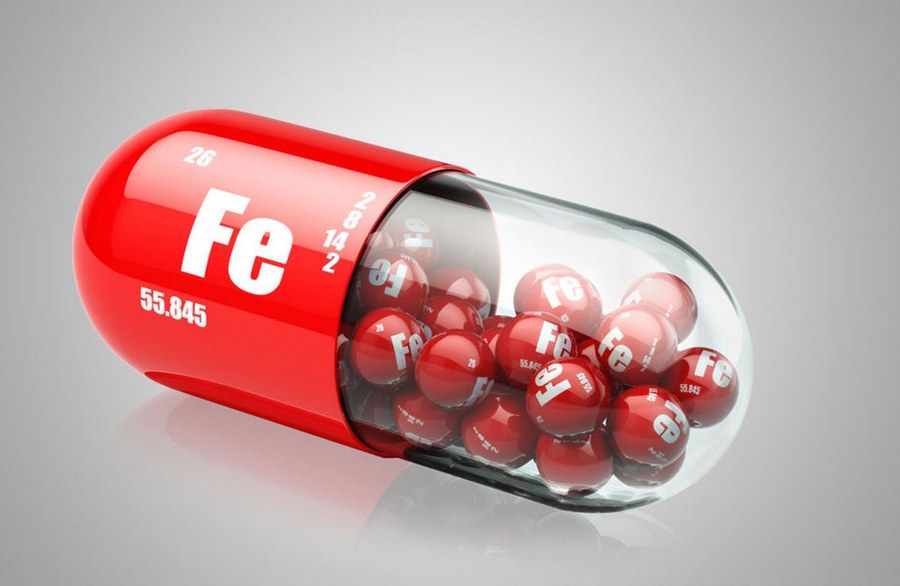
Iron deficiency can lead to decreased energy levels, dizziness and problems with concentration. There is a feeling of fatigue and lethargy. Iron deficiency is known as anemia. You will find iron in red meat, shellfish, oysters, offal, beans, lentils and cooked dark green vegetables.

Zinc, potassium and magnesium
The best sources of zinc are meat, oysters, shellfish, pumpkin seeds, beans, peas and lentils.

Potassium lowers blood pressure and reduces the risk of kidney stones. In addition, it also strengthens your bones. It is found in fruits and vegetables such as bananas, plums and potatoes.

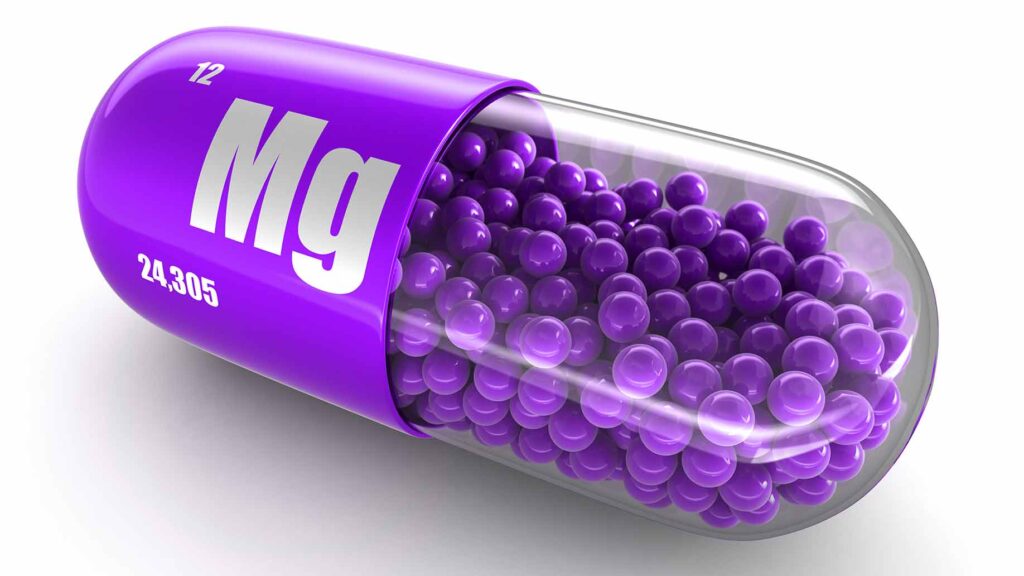
Magnesium – plays a key role in 300 physiological functions. Supports the work of the heart, immune system and strong bones. It is found in grains, nuts, fruits and vegetables.

Cholesterol reduction and physical exercises

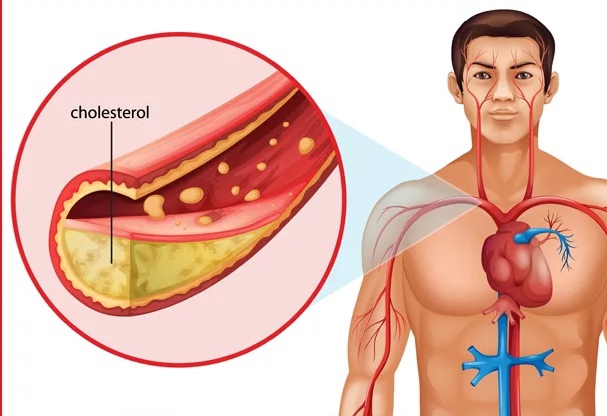
Cholesterol reduction does not require a drastic change in lifestyle or highly intense exercises. A few exercises will be enough, but it is important to do them systematically.

Research data

It is known that only proper nutrition in combination with physical activity effectively reduces cholesterol levels. This was proved by an experiment conducted on 400 participants who, after measuring the level of cholesterol in the blood, were divided into four groups: the first did not change their lifestyle, the second began to exercise intensively, the third switched to a low-fat diet, and the fourth supplemented the diet with physical activity.

When their cholesterol levels were checked a year later, it turned out that only in the fourth group its decrease was significant.

How Exercise Lowers Cholesterol

Physical exercises favorably change the ratio between bad LDL cholesterol and good HDL cholesterol – they reduce the level of bad and at the same time increase the level of good. In addition, regular exercise reduces systolic and diastolic blood pressure in people with hypertension, improves the efficiency of the heart and lungs. Oxygen transport to tissues and blood flow through organs increases.

In addition, physical activity regulates sugar and insulin levels, improves blood clotting. Regular exercise, in addition to direct effects on the circulatory and respiratory systems, also improves well-being, because during exercise the body produces endorphins – hormones of happiness.

So any kind of activity will be useful – cycling, brisk walking, running, swimming or dancing. It is important to introduce activity gradually. If the body is not used to stress, start with a quick walk. At first, it is enough 2 or 3 times a week for at least half an hour in a row, and after a month, move on to other types of exercises.

Already after 3 months of systematic physical exercise, the HDL level increases by an average of about 7 percent. It is enough to follow the principle recommended by doctors: you should actively spend time at least 3 times a week for at least 30 minutes. The intensity of the exercises performed should be such that your pulse is about 130 beats per minute.

So my advice is pretty simple: start a cholesterol reduction program with 30 minutes a day for 3-5 days a week. Let it be just brisk walking to begin with, but in the future you will still have to load yourself more noticeably – connect running, swimming, or cycling.

After the first month, gradually increase the training time to 50 minutes a day.

Wait at least an hour after eating to start the exercises, and finish them 30 minutes before eating. Do not limit yourself to drinking only mineral water – choose a balanced diet.

Abdominal fat. Why so dangerous?

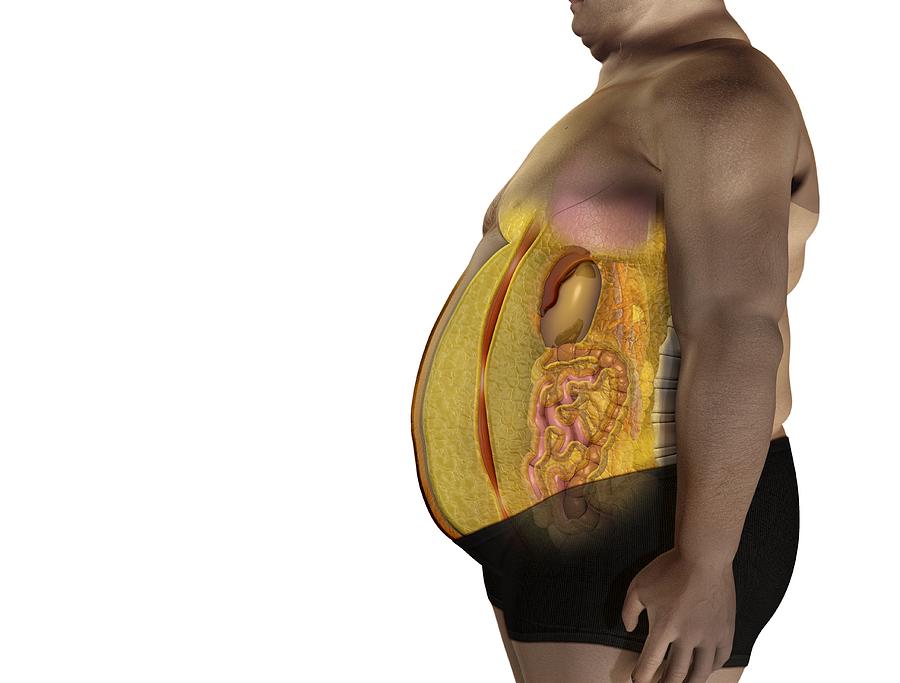
Abdominal/visceral fat is one of the most dangerous types of fat in the body. If there is more than 15% of it in the body, it poses a great threat to health.

Visceral fat is adipose tissue located around and near internal organs. The abdominal, in turn, is located only in the abdominal area. 

Visceral abdominal obesity is also called so:
1. Male type of obesity;
2. Android obesity;
3. Obese “Apple”;
4. Central obesity.

For the deposition of abdominal fat, the most successful conditions will be: a sedentary lifestyle, high-calorie food, a small amount of fiber and other proper nutrition products in the diet.

Research suggests that fat cells — particularly abdominal fat cells — are biologically active. It’s appropriate to think of fat as an endocrine organ or gland, producing hormones and other substances that can profoundly affect our health. Although scientists are still deciphering the roles of individual hormones, it’s becoming clear that excess body fat, especially abdominal fat, disrupts the normal balance and functioning of these hormones.

Scientists are also learning that visceral fat pumps out immune system chemicals called cytokines — for example, tumor necrosis factor and interleukin-6 — that can increase the risk of cardiovascular disease. These and other biochemicals are thought to have deleterious effects on cells’ sensitivity to insulin, blood pressure, and blood clotting.

Abdominal fat can lead to the risk of such diseases:

Varicose veins;
Cardiovascular diseases;
High risk of oncologies;
Hormonal disorders;
Obesity;
Hyperlipidemia;
Diabetes mellitus;
Alzheimer’s;
Fatty liver hepatosis.

How to defeat this type of obesity?

An ineffective way to get rid of this type of deposits is to perform various movements to pointwise affect the ABS: plank, vacuum, twisting, etc.

A little more effective is the method of influencing the whole body by training. Yes, strength / cardio loads involve a large number of muscles, while burning a lot of calories and positively affecting metabolism, but this is not enough.

The best helper in this matter will be proper nutrition and a diet with a small or decent calorie deficit.

Remember that 3/4 of the result is a diet, and the remaining 1/4 is a workout.

5 mistakes of the beginner in the gym

I often notice that people in the gym make the same mistakes, and then wonder why their muscles don’t grow, and just quit training.

In this article I will tell you about common mistakes that prevent your muscles from growing.

1. Ignoring the WARM-up.

During the warm-up, the muscles get ready for training, and the joints are lubricated and prepared for loads. But if you ignore the warm-up, then the chance of injury is very high.

Each coach will make you warm up before the main workout.

2. Ignoring STRETCHING.

It is very important to stretch the muscles after performing heavy exercises. Thanks to stretching, blood circulation improves in the muscles clogged during training. And good blood circulation in the muscles helps to restore them faster.

3. Insufficient WATER consumption.

Water is the smartest liquid that improves digestion and helps our muscles grow and recover thanks to its rich composition.

4. Too LONG REST and too FAST TRAINING.

I see how many people go to the gym with their friends and sit with their phones between approaches or just chat for about 5-10 minutes.

Fast training and performing different exercises on different muscle groups without concentration and understanding do not give any sense.

Therefore, for good muscle growth, it is worth choosing the right pace and exercises.

Abdominal muscles: basic rule of training

Abdominal muscles are ordinary muscles, the scheme of hypertrophy (enlargement) of which is no different from other muscles.

If you choose the appropriate exercises and load so that it “goes” into the target muscle “to failure” (when you can no longer perform muscle contraction) 10-12 repetitions is more than enough (since it has been proven that the last 6 repetitions are most effective for hypertrophy when working “to failure” or almost “to failure”).

In order to understand which exercise is most effective and how to “get” the load into abdominal muscles, it is necessary to understand which muscles the ABS consist of and where they are attached.

Six pack is obtained by two things. The first is the rectus abdominis muscle. The second is 3-4 tendon bridges that tighten the rectus muscle and form 4-6 cubes.

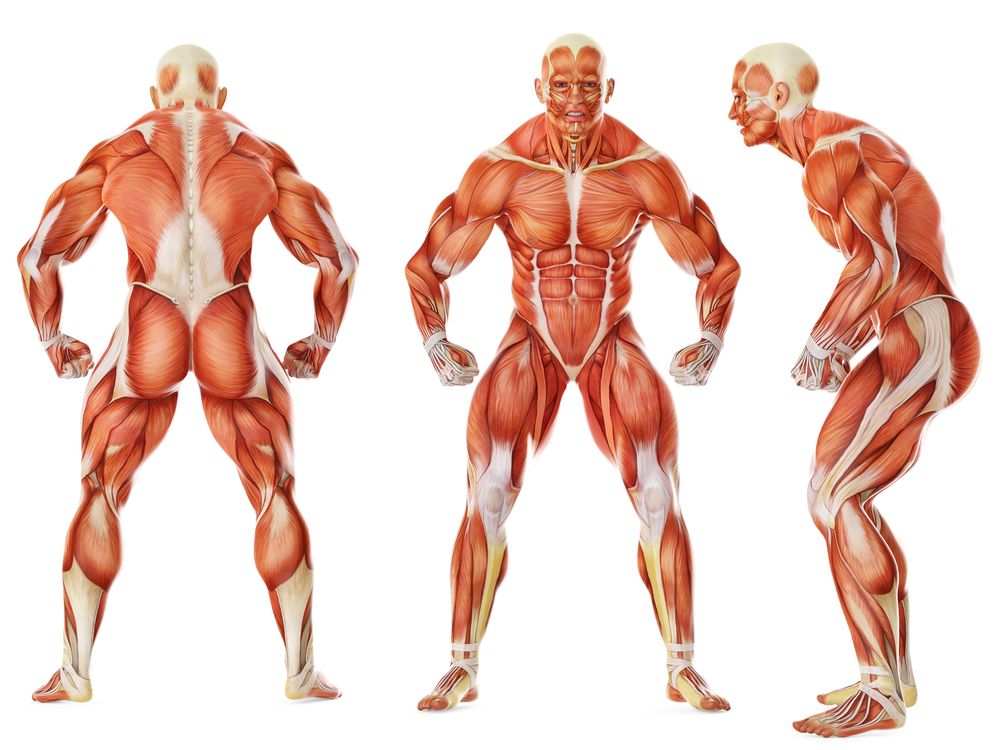
The attachment of the rectus muscle is located on the pubic bone from below and on the cartilage of the ribs from above. This muscle pulls the ribs down (lowers the chest), bends the spine, raises the pelvis (when fixing the chest), participates in the formation of the abdominal muscles.

There are two main movements: direct and reverse twisting. With different position of the body: lying, sitting, hanging, at different angles, etc..

The main mistake in the technique of these exercises is to involve the muscles of the lower back or the front surface of the thigh when twisting, as this “steals”, and sometimes even replaces the work of the ABS.

It is also wrong to pull the head towards, and not just support it with your hands. This increases the load on the cervical spine.

Also a mistake is the static tension of the abdominal muscles. For hypertrophy of the rectus muscle, both metabolic stress and mechanical stress (due to contractions or stretches of the muscle) must coincide. 

I recommend a range of repetitions of 25-30 times,  increase the weight of the load more so that the “failure” repetitions are within these limits.

Thus, if you understand the biomechanics of the work of the muscle that you want to pump up, then performing any even the most exotic exercise, you will know at what moment this particular muscle is working for you.

Do not forget that no matter what the press is pumped up, it will not be visible under a layer of fat. The percentage of the fat layer at which you can see the muscles ranges from 10 to 14% in men and from 18 to 22% in women.

Cortisol and cardio

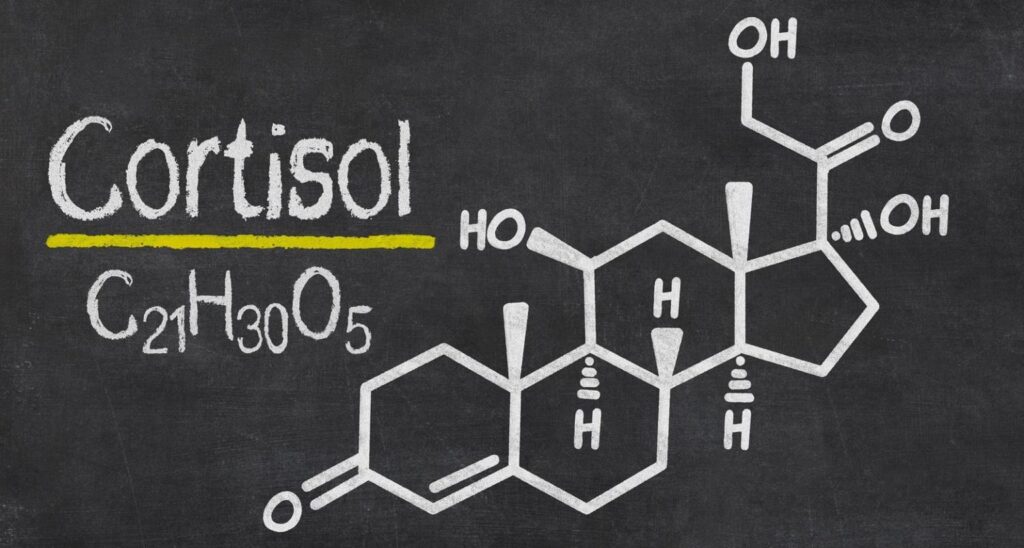
Cortisol is a hormone of “stress or fear”. It is produced by the adrenal glands at the moment when a person feels threatened or feels the most powerful emotional and physical stress.

This hormone usually converts fats into fatty acids and then into glucose, which is an energy source. The human body needs energy constantly, and in a situation of stress, its amount is required twice as much.

It can have quite a negative effect on the muscles. The higher its level, the more difficult it is for a person to build muscle mass and gain strength.

In fact, cortisol in the elderly is the main factor in the decline of strength.

The production of this hormone is necessary for the normal functioning of a person, but its excess can harm your achievements for the following reasons:

– increases in cortisol increases muscle catabolism.

This is due to the breakdown of tissues with the release of amino acids, which can then be converted into glucose for energy production. This is called gluconeogenesis, and it is one of the main functions of cortisol. This function is necessary to increase energy at the right moments.

– cortisol can suppress the immune system.

In turn, it is the immune system that restores damaged muscles. Because of this, in fact, growth and recovery are slowing down.

– the growth of myostatin always goes next to the growth of cortisol.

Myostatin determines how much muscle mass you can gain. If your goal is to gain weight, then I have bad news.

During cardio trainings, cortisol is produced. But this does not mean that it is necessary to completely abandon cardio in fear of increasing the stress hormone. It is only necessary to highlight the moments when cortisol rises more strongly, and in which cases it is weaker. And use it!

Three facts about cortisol released during exercise.

1. It mobilizes energy. It will release glycogen, fatty acids and break down muscles to provide nourishment for muscle contractions. The more nourishment you need, the more cortisol you will release.

Most often, the goal of cardio is to burn fat. Of course, in this case you need to get the body to mobilize not too much fuel. Too much release will negate the benefits of fat loss.

2. It releases adrenaline. The larger the volume of your cardio workout, the more cortisol is released, which means more adrenaline and a higher level of intensity.

3. It helps to maintain blood sugar levels. Cortisol and glucagon restore sugar when it drops. This is important because if you exercise on an empty stomach (when sugar is low), you will increase cortisol levels to a greater extent.

From all this, we can conclude that the cortisol level gives a feeling of energy. This is not a bad thing in the short term, however, if you do it for too long, or stay in this state for a long time, it will do you harm.

So, the three pillars of increasing cortisol levels:

1. Exercise on an empty stomach.

2. High volume.

3. Maximum intensity.

This leads to the worst types of cardio training for athletes.

1. Interval training on an empty stomach.

An easy 40-minute walk in the morning on an empty stomach is very good. But intensive interval training on an empty stomach is not for us.

In the case of a walk, you also release cortisol, but quite a bit, because the intensity is low.

In the second case, there are problems. Firstly, you are hungry (the first element stimulating cortisol), and you are very tense (the second element stimulating cortisol). Of course, you will have a large calorie consumption, but the risk of increased cortisol is several times higher.

2. Long intervals of high intensity.

Intervals of 20 minutes or more – in this case, you combine high intensity with long duration. And these, as you remember, are two cortisol growth factors.

3. Moderate intensive cardio on an empty stomach.

Let’s go back to morning training again. If you run for 45-90 minutes, you are also putting your muscles at risk. Here you have a large calorie consumption (much higher than when walking), and starvation. These are two factors that increase cortisol.

In this example, I meant jogging, but cycling and other types of cardio will do.

4. Intensive cardio after a workout with weights.

Such work is great for burning fat, reducing the risk of metabolic disorders, and even slows down aging. But there is also a delay in muscle growth.

Do only the exercises that you like, and here’s why


Many coaches promote such an approach to training that it is necessary to do those exercises that are difficult, both physically and emotionally. The body resists for a reason, it is in these exercises that we will work out problem areas, it is through pain and “I don’t want” that people succeed, etc.

At one time I believed that it was true. I did the barbell pull in a tilt, although I never liked it. Yes, the exercise is effective, but I have never liked it, and I always tried to do it at the end of the workout.

As a result… There was no result. No, of course, the working weights have increased a little. But no more than that.

I didn’t make much progress on any exercise that I didn’t like to do, but I did it anyway.

As a result, I realized that all this is complete nonsense. It’s probably the same in all spheres of life – if we don’t like something, then we won’t progress in it. Or rather, to progress the way we would like it to.

And it seems that one of the latest studies of this subject only confirms the validity of this truth.

The team of scientists recruited 32 athletes, each of whom could squat at least 1.75 times their weight and press 1.3 times their own weight from the chest.

All of them had to maintain a daily protein allowance of at least 1.5 grams per kilogram of their weight.

The groups were divided into two, and each had to go through a complex training program for 9 weeks. They trained three days a week and performed six different exercises per workout. Rest between sets ranged from 90 to 120 seconds.

Their training was divided into three mesocycles:

1. 4 approaches to the exercise.

2. 5 approaches to the exercise.

3. 6 approaches to a complex exercise and

5 approaches for additional.

The training system itself was undulating. The first training day was easy, the second – average, and the third, as usual, heavy.

Each training session was supervised by certified strength and physical training specialists.

In one group everyone was told to perform a set of six fixed exercises.

The second group could decide which exercises from the list to perform. They were given such a list, and they decided for themselves how to train each muscle group.

What results did they come to?

Athletes who did the exercises forcibly, strictly from the list given to them, gained 0.98 kg of extra weight. In turn, athletes who chose their own exercises gained 1.6 kg of extra weight.

That is, it turns out that athletes who chose their favorite exercises themselves scored 60% more than athletes with programmed workouts.

In addition, athletes with freedom of choice have made more progress in the strength of the bench press. The other group’s strength in this exercise remained at the same level.

It is difficult to say whether there were physiological or psychological differences between the groups. Naturally, from a psychological point of view, you will perform the exercises that you like with great joy and zeal.

On the other hand, the physiological side can also play a role. If you are an experienced athlete, you know exactly which exercises will have a better effect on your height and strength, and you will choose them.

Regardless of the reason, this study may make you think twice when you decide to integrate an unloved exercise into your workouts.

Leg press: useful, useless or harmful?


Leg press can be performed correctly and incorrectly. This is not just dropping and pushing back the weight, but something more complex. Here are a few rules that will help you perform this exercise correctly, and therefore avoid injury and increase leg strength.

1. Choose an active range of movements.

The active range is the one in which you make the movement.

The active range in the leg press is selected according to the following criteria:

– glutes do not come off the seat;

– the lumbar spine is not rounded.

These criteria are very important under heavy loads. Your spine does not approve of such rounding: it is simply not designed for it. Your vertebrae receive a huge amount of tension with torque. In the end, this will lead to a hernia at best.

2. Choose the weight that suits you.

Stop flattering your ego by loading the platform with a ton of weights. A short range will not give you anything, and a sharp push of the platform with the whole body is likely to cause injury.

In fact, your mini-amplitude bench press will create a very small internal load. A full-fledged bench press with an average weight will bring many times more benefits.

3. Do not bend your knees completely.

The knee joints are designed to lock while being straightened. But this does not mean that they should be blocked with a load of 500 kg.

When you fully extend your legs, your quadriceps are in a slightly relaxed state. And it is here that the entire load of 500 kg falls on the joints and connective tissue. After all, all this tension and weight distribution has to go somewhere!

You need a slightly bent knee. Leave some margin – let your muscles, not joints, take the load!

So, we have analyzed the active range of movements in which your spine does not suffer, the quadriceps get a serious load, and at each end point of the repetition you do not bend your knees to the end.

So why you need to do leg press?

Here are the points where this exercise can really help:

1. The initial start of the deadlift.

If you have a weak breakdown of the barbell from the floor, then the leg press can really help. The main thing is to make sure that you use the same leg position as when pulling. Just don’t forget to take a little pause when you bend your knees!

2. Development of hamstrings and buttocks.

This exercise is a favorite for these muscles. Place your feet as high and wide as possible on the platform. Also take a small pause, bending your knees – so your buttocks and biceps of the thigh will get the maximum load in an elongated position.

3. Isolate the quadriceps.

If you put your feet on the platform very low and very close to each other, then your quadriceps will get very good insulation, because this position allows you to bend your knees much more.

That’s a useful exercise if you do it wisely. Be honest with yourself, use a healthy range of movements, and you will constantly receive results from the leg press.

Belly fat. Causes and how to get rid of it

Belly fat can be caused by various factors such as hereditary predisposition, eating disorders and a low-activity lifestyle, the presence of bad habits, hormonal disorders, diseases of the gastrointestinal tract, oncology.

Before joining the fight to get rid of the belly fat, you should undergo a full medical examination to exclude the presence of dangerous diseases, the symptom of which may be a large belly.

Here is a list of causes of the belly fat. 

Of course, the main reason is the problem of excess weight and, as a consequence, the appearance of fat deposits in the waist and abdomen. Thus, in order to get rid of it, it is necessary to lose weight.

However, a large belly may not always be the cause of excess weight. Experts distinguish the following types of bellies that do not appear due to overeating:

1. “Stress belly” is characteristic of people who are in a state of chronic stress, sleep little, eat irregularly and incorrectly, drink a lot of coffee, abuse energy drinks, love chips, soda, crackers. This type of belly differs in that it is not loose and dense, and fat is concentrated around the navel.

In this case, in order to regain a beautiful belly shape, it is necessary to normalize your psycho-emotional state, change your diet, change your work and rest regime. Exclude from the diet junk foods, caffeine and energy, intense physical activity, which contribute to the production of the hormone cortisol, which promotes abdominal growth.

The place of cardio training should focus on low-intensity training, yoga, Pilates, callanetics. Include foods containing high levels of magnesium in your diet, such as dark green vegetables, nuts, dark chocolate, fish, dried fruits, etc. Meditation techniques, relaxing baths before going to bed using various supplements, breathing exercises are effective in combating stress.

2. “Lifeline”, this type of belly is characterized by the fact that fat deposits are collected on the sides in the form of a roller, it is characteristic of “couch” people, who also like to skip another glass.

To get rid of such a belly, it is worth giving up alcohol, sweet and flour. Preference should be given to lean meat, oily fish, nuts, avocados, eggs. It is worth doing sports, in this case, long-term aerobic training of low intensity (at least 1 hour), such as running, cycling, swimming, will be effective. It is best to do sports in the fresh air.

3. “Low belly”, characteristic of people who have a bulging lower abdomen. This may be a consequence of curvature of the spine, incorrectly selected physical exercises, or improper exercise techniques, poor nutritional diet.

You need to drink more fluids, expand your diet, include more fiber-containing foods in it, change the training system, give preference to circular physical exercises. Consult a specialist for posture correction.

4. “Pregnant belly”, characteristic of both women and men with poorly developed pelvic muscles. Nuts, olives, fish oil should be added to the diet. To reduce the abdomen, the exercise “stomach vacuum” will be effective, as well as performing Kegel exercises.

5. “Swollen belly” in the morning, flat in the afternoon, and swollen in the evening. This type of stomach is typical for people with digestive problems, intestinal microflora disorders, food intolerance to certain foods. To correct this type of belly, it is worth reviewing your diet, determining which foods are not suitable for you and exclude them, enrich your menu with fish, fresh vegetables. Exclude flour, alcohol, processed dairy products, grapes, products containing a large number of carcinogens. It is recommended to have a hearty breakfast and give preference to a light dinner.

6. “Hormonal belly”, most often it is characteristic of those over 40. It develops due to the fact that after this age, people begin to change the hormonal background, metabolism slows down. In order to get rid of such a belly, you need to reconsider your diet, it should have such a ratio of nutrients: 20% protein, 30% fat, 50% healthy carbohydrates, you need to drink enough water, try to be less nervous, sleep well and lead an active lifestyle. In order to get rid of the belly, it is necessary to activate the hormones responsible for fat burning. To do this, you need to eat foods with a high magnesium content and perform interval training of increased intensity.

If you are struggling to get rid of the belly fat. You have tried many things and almost despaired.
Join my training and nutrition program, which I will make specifically for your body type and lifestyle.

Here you can see the results of my clients who have been training with my programs.

I’m waiting for you at my training sessions.

Leg muscles training. Where to start?

Leg muscles training on a separate day is one of the main rules of a training program.

The legs are the largest group of muscles in the body, including not only the calves, gluteal muscles and thighs, but also many small muscles.

Building a sports physique is impossible without a full and purposeful leg muscles training. Exercises with a barbell and dumbbells develop both muscle strength and improve a sense of balance – which has positive affect on your posture.


Start your leg muscles training with the basic rules.

    1. Correctly choose exercises. The priority of training the leg muscles will be basic exercises. They will help to build muscle mass. All basic exercises, due to their complexity, not only involve more muscles at once, but also produce somatropin, the so-called growth hormone. It has an anabolic effect on our body, reducing the breakdown of protein and enhances its synthesis.
    2. The progression of loads. In order to avoid stagnation in muscle growth, we will need to constantly add working weight. Let it be 1 kg, but the progression should be constant.
    3. Warm-up at the beginning of the workout. This is a very important component in the training process. A warm-up will help prepare muscles for hard work.
    4. Stretching at the end of the workout. Remember – stretching is done only at the end of the workout! But why? Because during stretching, the muscle relaxes, which contributes to its speedy recovery and minimizes muscle pain the next day after training. And also, it stretches the muscle fibers that remain in a bound state after hard work on the legs in the gym. If we stretch at the beginning, we will relax the muscles and they are unlikely to be able to work out to the maximum.
    5. Periodization of loads. That is, alternating workouts, for fast and slow muscle fibers. What is the difference between them? Fast muscle fibers are white and designed for hard work, but they get tired quickly. Therefore, they are trained with large weights and a small number of repetitions from 1 to 5.Slow muscle fibers are red. On the contrary, they are designed for long work, but with much less weight. We will train them for a large number of repetitions with a light weight for 15-20 repetitions.


Hope, that this information will help you start training your leg muscles and avoid injures.

Manage emotions with yoga

Manage emotions is not always an easy thing to do. Repressing, denying, ignoring them seems to be the more common way that most people handle their emotions. Emotions are energy in motions. When you’re upset you can feel it in your body. The last thing you should do is ignore these powerful signals your body is giving you.

How to manage emotions

Having made a decision to transform this area of personality, a person begins to look for various methods and tools to solve this problem. And here yoga can become one of the best tools to manage emotions. In the modern world, yoga is often perceived as a discipline designed to improve a person’s physical health, while the emotional sphere remains uncontrolled.

Techniques for coping with emotions

The science of yoga gives us various exercises for managing emotions. First of all, I must say about hatha yoga. There are several basic body-oriented techniques for managing emotions in yoga, which will allow you not just to control your emotions, but to learn to live a life free from imposed experiences, stress and other negative conditions of the modern world.

Proper nutrition

A special role in this section is played by human nutrition. Food that causes extreme feelings arouses the corresponding emotions in a person.  As a rule, this aspect escapes a person, and he does not see the connection between uncontrolled emotions and nutrition.

Yoga Asanas

When starting to master techniques for managing emotions through the body, it is best to go from simple to complex. Asanas are a very good tool for transforming yourself, which develops patience, endurance and observation. By cultivating such qualities, we do not just block emotions, we replace them with better behavioral models.

Shatkarmy-cleaning techniques

An important link at this stage is a complex of shatkarm actions to cleanse the body of toxins and toxins. It is known that toxins have a very strong effect not only on our physical health, but also on our mental state. Also, the shatkarm complex includes techniques for calming the mind. For example, contemplation of a candle flame relieves tension from the eyes, prepares a person’s mind for deeper practices that affect the emotional sphere of life, introduces a person to a blissful state. Often people ignore this area of knowledge, please do not forget about cleansing!

Santosha — satisfaction in everything

If a person intelligently approaches hatha yoga, fulfills all the recommendations, then gradually he has a certain positive state, which in Sanskrit sounds like “santosha” – satisfaction. This is already a sure step on the way to mastering your emotions and achieving emotional peace. Relationships with loved ones are being established, employees at work are accepted as they are, ambitious requests for material goods are going away. What used to annoy you, now can’t get you out of yourself.

Meditation

However, this condition is not always stable. Meditation leads to better results in controlling emotions.  There are a huge number of different meditation techniques and their variations.

Observer State

There is another technique that allows you to take control of your emotions. A person gradually develops the state of an observer of his feelings and thoughts in the process of life (work, home, travel). By studying ourselves, our reactions to various events, we can eventually classify which emotion occurs when.

Usually our reactions are of the same type and almost everyone can predict their appearance with practice. Acting ahead of the curve, we can either not bring events to our reactions, or be already ready for the expected emotion, which in itself will weaken it. Thus, we will be able to avoid many negative events, maintain friendly relations and conduct more constructive activities.

In conclusion, we recommend using all of the above techniques in a comprehensive manner. Gradually, you will be able to notice that your sharp reactions to certain events become softer, the sharp corners of the personality are erased and thanks to calmness, you can make better decisions. The key to success is always the decision to change yourself and take responsibility for your life, no matter what events happen outside.

Gratitude. Powerful benefits and techniques

Gratitude is included in the list of the most universal tools for solving life’s difficulties.

According to quantum physics, all the manifestations of this world are woven from one energy of different densities. Feelings are the same energy that can both destroy and create. With the help of the great power of gratitude, a person is able to harmonize life in all directions-from improving mood to improving health. Awareness of the benefits of this practice plus entertaining practical tasks will help you use this tool easily and productively.

What is gratitude?

A person experiences a feeling of gratitude as a response to something happening in relation to him.

That is, this feeling is a kind of natural response to receiving something good. If this response is suppressed or not noticed, and therefore, this energy is stopped on itself, then the balance of energies will be disturbed, which means the balance of everything.

Gratitude is nothing more than restoring balance, or harmony, in a person’s life. It is believed that this feeling has one of the highest frequencies of vibrations (on the Hawkins scale), having a huge positive impact on the person experiencing it.

What is the power of gratitude?

The desire for balance is a condition for staying in this world. When a person gives thanks (by thought, word or deed), he simply pays his debt, restores balance; and on the contrary, by not performing thanksgiving, he blocks the flow of energy, disrupting the balance.

For this reason,  there is a restoration of integrity, without which a happy, full life is impossible.

Any imbalance has consequences. Otherwise, the stagnation of energy will make itself felt by an event swamp.

Five scientific facts

Gratitude has become a frequent subject of scientific research. Here are five facts of its impact on people:

    • reduces inflammation;
    • improves the quality of life in serious chronic diseases;
    • improves well-being, reduces stress levels;
    • helps to cope with envy;
    • increases stress resistance and mental resources.

Practice Gratitude

Try to arrange minutes of appreciation every day in the hustle and bustle of your affairs. It is convenient to tie them to some repetitive activities, such as eating. Make it a rule before each meal to mentally thank for the fact that you at least have what you have.

Not all inhabitants of the Earth have such an opportunity. Starting with gratitude for food, gradually expand the list.

And if you are ready to go further, consider the following three practice options.

Remember: there are no techniques that are suitable for everyone. Therefore, if one does not go, try another.

1. Gratitude Diary
Once a week, write out three or five things in your life that respond to you with a sense of gratitude. Add reflections on what these things mean to you.

This practice allows you to “highlight with a flashlight” what was hidden in the shadows of other feelings and thoughts: there will be so many good things in your life! The effectiveness of the practice will increase if you focus on specific people for whom you feel gratitude.

A simple diary is a quick, affordable tool to experience the full power and benefits of practice. 

2. Practice “Three good events”

Every evening, allocate 5-10 minutes for a detailed description of the three positive events of the past day. It doesn’t matter — big or small.

Even a stranger’s smile or a job done on time. Add your thoughts on why this could have happened to you.

This practice not only helps to remember and evaluate the positive moments of the past. It teaches you to notice and savor the positive aspects of the present moment, and later remember them in all colors.

Thinking about the sources of these good things, you can see a huge ecosystem of kindness and care around you. This is especially useful for those who believe that the world is hostile. This negative attitude brings a lot of inconvenience.

3. “Gratitude Bank”
If it is still difficult to perform regular practices, there is another way to feel the power of gratitude — an effective technique for time-limited people.

You will need:

a little time, a
glass jar,
sheets of paper,
scissors, a
pen.

Make a list of the facts of your life for which you can be grateful. Specific people, their actions, animals, material things, memorable moments, important events, realizations, your physical, as well as any other opportunities. 

Cut the sheets of paper into small parts, rewrite one thing from the list for each. Roll them up one by one, put them in a jar, cover with a lid, put them in a prominent place.

In difficult moments, pour fragrant tea, grab a jar of thanks, sit comfortably in a chair and read these scraps of paper on which all the precious gifts of your unique life are imprinted.

And it is better not to wait for hard times, but to do it at the behest of the soul.

Instead of an afterword

A brave person is not someone who has no fear, but someone who knows how to control it.

Also, a happy person is not someone who is doing well, but someone who, among the diversity of events, knows how to notice the positive and fixate, as well as find the good in any “bad”.

The power of gratitude and love helps to come to this state and gain a foothold in it — the most powerful point of growth for every human being.

Anxiety coping. 4 exercises that help

Anxiety, fear, irritation, depression live in the lumbosacral region. This area is associated with the passage of important energy channels and is responsible for life satisfaction. The Svadhisthana chakra or “pleasure center” is also located here.

All the suppressed emotions, childhood traumas, experiences accumulate in this zone and over the years excite anxiety in a person, lead to panic attacks, depressive thoughts and a bad mood.

Most often these are spontaneous “storms”, but sometimes a person experiences so much (even unconsciously) that he completely blocks this center.

This bundle of exercises strongly affects the work of the lumbar region, where negative emotions live. This is the first level of our unbalanced energy.

Therefore, it is worth practicing these exercises in this order:

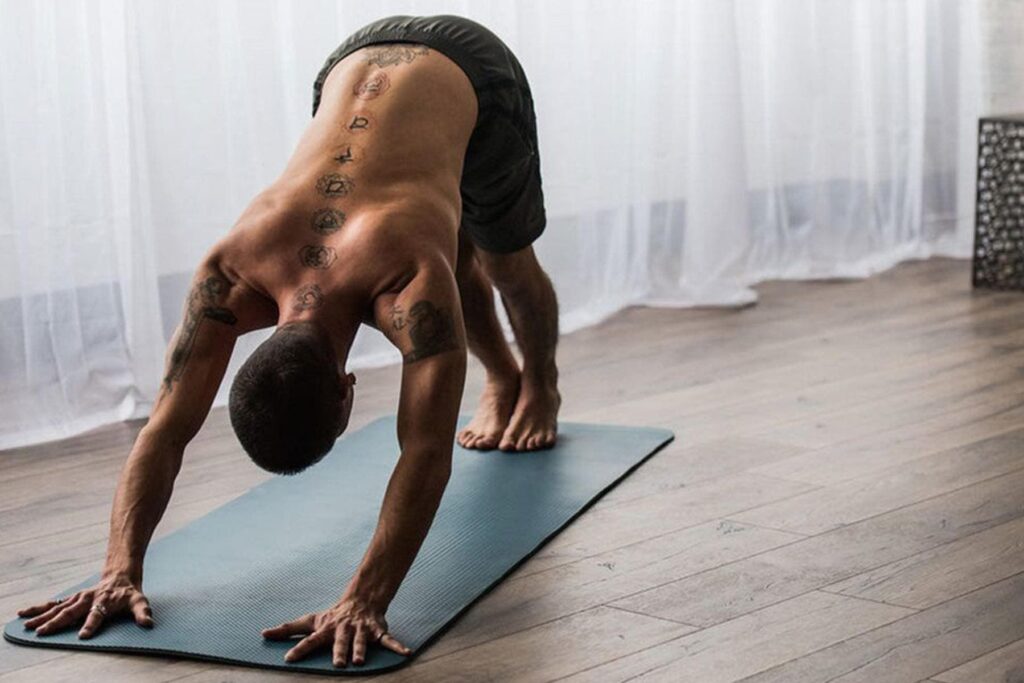
1. Bending to one leg from a standing position


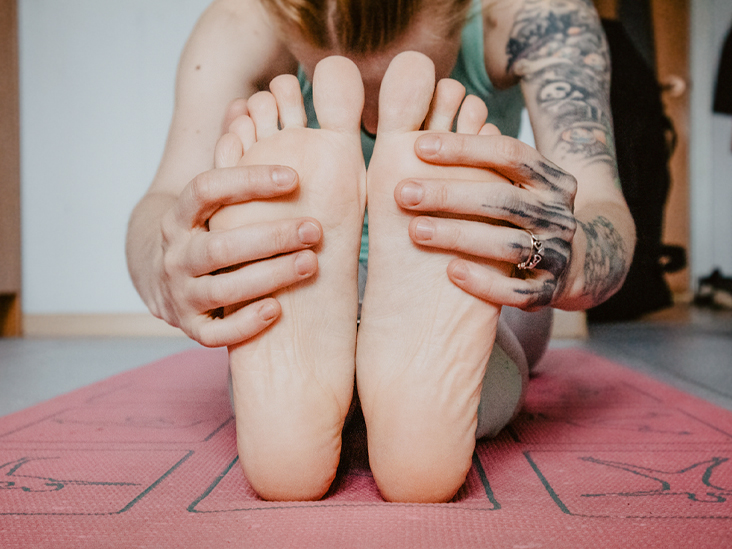
2. Tilt to two legs from a sitting position.

3. Tilt to one leg from a sitting position.

4. The half-bridge pose.

These exercises have a beneficial effect on the internal organs, normalizing their work as much as possible.

The digestive and excretory systems fully restore their functions. Qualitatively improve the work of the reproductive organs.

Strengthen the muscles of the legs and glutes. There is a rejuvenation of the spine. Working on your own body, certainly in addition to physical benefits, you will feel the psychotherapeutic effect. Anxiety and irritability will pass. You will have confidence in your own abilities.

Provides an excellent stretch for the muscles and fascia of your entire back body, from your heels to the back of your head. In general, many of you will also find the poses soothing to your nervous system and quieting for your mind and emotions.

The exception to this that some of you who experience intense stretch sensations in your back body in the pose #2 due to muscle tightness may feel agitated instead. Two of our variations, however, can help even some of you stiffer people find a more peaceful experience.

You need to hold each position according to your own comfort. The best retention is from 1 to 3 minutes.

Deep breathing and holding attention in the lower back area, when performing exercises, will contribute to high-quality practice and the disclosure of the energy center (chakra).

I prescribe this poses for:

  • Improving flexibility in the spine, hips, hamstrings and calves 
  • Stimulating your digestive system 
  • Soothing your nervous system 
  • Quieting your mind 
  • Managing stress 
  • Reducing anxiety 
  • Improving insomnia 

Cautions: 

Two vulnerable areas can potentially be aggravated or injured in these poses: the lower back and the starting point of the hamstrings near your sitting bones. Therefore, if you have lower back disc problems, lower back pain, or a torn hamstring tendon, you should avoid these poses altogether.

Essential amino acids. Essential information

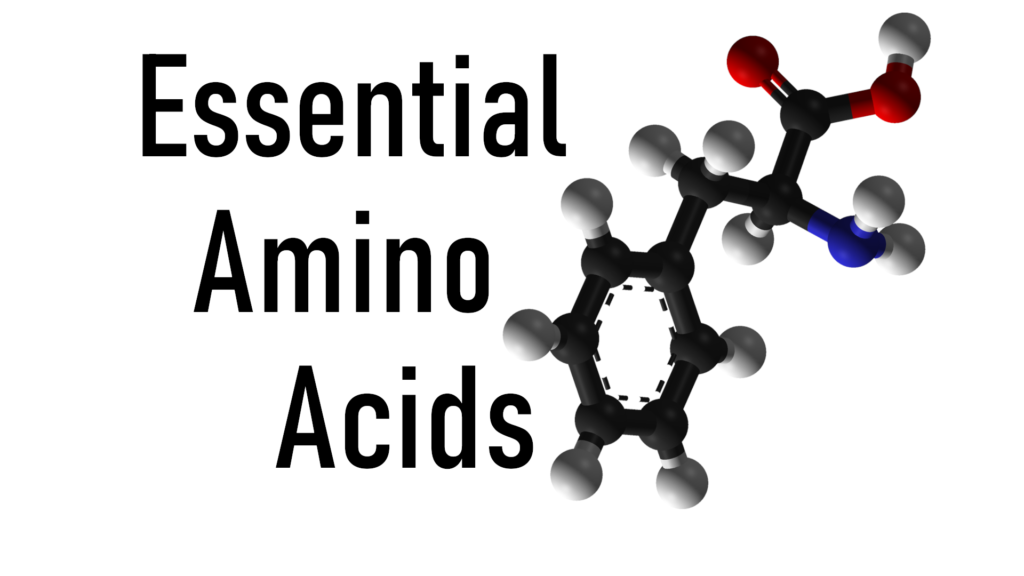
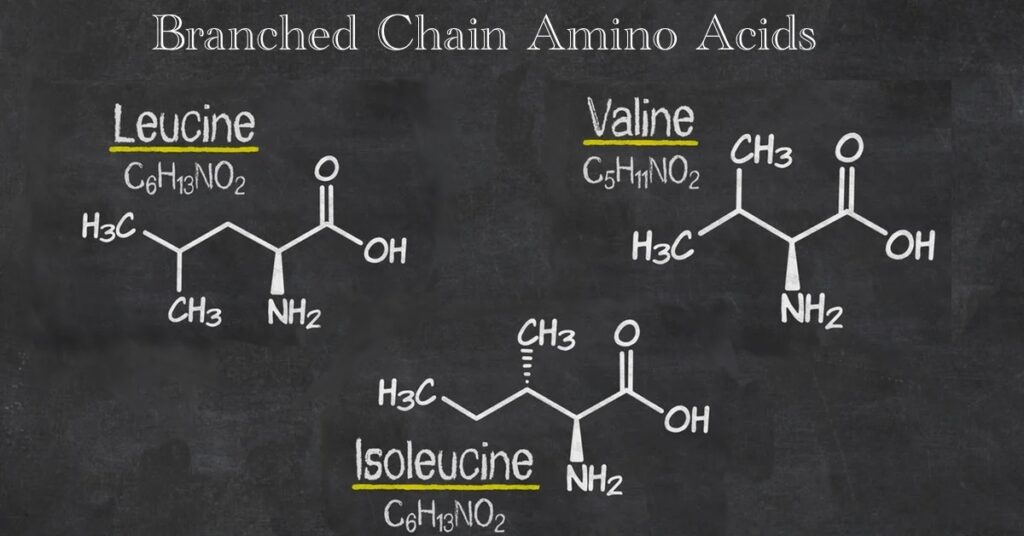
Essential amino acids or indispensable amino acids are organic substances that cannot be synthesized by the human body independently, they must come to us together with food or supplements. They take an active part in all metabolic processes, so without them, the normal functioning of our body is impossible. In addition, amino acids are the main building material for all tissues, including muscle.

All amino acids (including essential ones) are a structural component of proteins, so their main sources are high-protein products. 

A list indispensable amino acids

There are different opinions about essential amino acids. Some sources say that there are eight of them, others insist that there are nine. Why are there such disagreements and how many of them are there really?

The fact is that there are only eight of them, and the ninth amino acid – histidine — is indispensable only for the child’s body, and in adults it is perfectly synthesized independently.

Arginine is also indispensable for children, but synthesized in the adult body.

Therefore, the answer to the question “how many essential amino acids are there for an adult?” is obvious: there are eight of them.

So, there are 8 essential amino acids that the body cannot synthesize itself:

valin;
isoleucine;
leucine;
lysine;
methionine;
threonine;
tryptophan;
phenylalanine.

Where are the essential amino acids contained

The myth of the presence of indispensable amino acids only in animal food is precisely a myth actively promoted by food corporations and owners of the meat processing industry.

On the Internet, you can find enough information about which plant products contain all eight amino acids.

First of all, legumes are rich in essential amino acids — peas, lentils, chickpeas, peanuts, etc. However, peanuts are extremely undesirable for consumption. In order to protect the plant and fruits from being eaten by pests during cultivation, peanuts are crossed with petunia genes, and such peanuts are extremely harmful to the liver. However, even if the peanuts are not modified, under the wrong storage conditions, a very dangerous mold forms on it, which leads to cancer. Peanuts also acidify our body, which is extremely harmful.

Nuts, seeds and cereals are rich in amino acids. Sunflower seeds, pumpkin and sesame seeds will be especially useful. And among the cereals — oats and unpolished rice. Among nuts, almonds, cashews and walnuts contain the most amino acids.

Thus, a complete list of indispensable amino acids can be obtained even if all animal products are excluded from the diet.

Spinach. Why so healthy?

Spinach is a plant, which is widely used in cooking and has a lot of benefits for the health of the body.

Why it is so popular today? Let’s see.

Nutritional profile of spinach

  • carbohydrates-3.53 g;
  • fats — 0.4 g;
  • proteins — 2.9 g.

There are only 22 Kcal per 100 grams of the product.

Leaves are saturated with useful dietary fibers.

Vitamins and minerals:

beta-carotene;
choline;
vitamins A, E, K, C, B, PP;
calcium;
potassium;
magnesium;
sodium;
iron;
zinc;
copper;
iodine; selenium;
manganese.

This product contains up to 92 % water.
A small amount contains starch-0.1%.

Health benefits of spinach

    1. Cleansing and stabilization of intestinal peristalsis.
    2. Saturation of the body with vitamin C and strengthening of the immune system.
    3. Increased hemoglobin in the blood.
    4. Improving vision and promoting eye health.
    5. Stabilization of blood pressure due to pronounced hypotensive ability.
    6. Elimination of insomnia, general strengthening of the nervous system.
    7. Alignment of the glycemic profile, correction of carbohydrate metabolism.
    8. Improved metabolism.
    9. Saturation of the body with iodine, stabilization of the thyroid gland function.
    10.  A number of vitamins (E, A, K, B) help to preserve the youth and elasticity of the skin, the strength of the joints. With the use of this product in food, the heart muscle and blood vessels are strengthened, the risk of developing varicose veins and diseases of the cardiovascular system is reduced. This product helps to maintain a healthy complexion, strengthens and makes beautiful hair and nails.
    11. This plant normalizes the work of the endocrine glands. This is important for male potency. It is often recommended to include spinach in food for the prevention and treatment of male infertility, as well as to reduce the risks of developing prostate diseases. Regularly including spinach in their own diet, men strengthen the genitourinary system. With this option, a disorder of sexual function in the male body occurs less often.
    12. Spinach is also good for the male nervous system. A diet enriched with the vitamin group contained in spinach protects against stress. The body is less susceptible to the development of classical diseases of the nervous system, brain activity and working capacity improve. Spinach is useful in the sports menu as a good source of protein.

Contraindications

Any chronic diseases in which compliance with a special diet is recommended can be considered a contraindication for eating spinach. Consultation with a specialist is required!

How to cook spinach

Spinach is added to salads, cocktails and smoothies, it can be an excellent addition to sandwiches.

But, of course, the best option for using spinach is without heat treatment.

It goes well with other vegetables and herbs. You can add a drop of lime or lemon juice, a little olive oil to it.


How to choose and store

The leaves are green, without color changes.  The stems should be fresh, without changes in color. The smell of spinach is pleasant, fresh. This is how it should be. If an unpleasant or chemical aroma is detected, you should not choose such a product for your kitchen. It is best to buy spinach in special organic packages or in farm shops.

Spinach should be stored in the cold (from 0 to 5 degrees). You can prepare leaves for the future in the freezer. But it should be understood that after defrosting, the taste and texture qualities of the product are lost.

Time management, how to keep up with everything?

Time management is a life strategy aimed at planning your goals and objectives so that you can effectively use your time, achieve results and at the same time stay in a healthy and calm state.

How do we plan our day to spend time productively?

In order to plan the day, month, year and your whole life as efficiently as possible, I recommend keeping a notebook in which you will write by hand.

I do not recommend using “time planners” apps, because all these applications and gadgets take up our energy and  time that they are supposedly designed to save.

So, when you are going to plan your time.

    • Write down all your tasks. In general, everything (this must be done once every six months or once every couple of months). Write down your plans for a month, a year, 2 years, 10 years. Analyze how many years you are able to plan (see) the future for. Please note that people who want to get something at the moment of the present and do not think about the consequences are not grown — up children.

    • Set your priorities. Select the most important tasks. Priorities for the day, for the week and for the month. What you want to do in a day, a week, a month. What is the expected result you want to see. It is important to learn how to focus and concentrate on the task. Without jumping from one to the other.
    • Break down large tasks into small ones. Segment large projects. If a number of small tasks are written in your plans, you will easily perform them. This, in turn, will inspire and motivate you.
    • Do not spray yourself. Always coordinate your goals with your global goal. Give other people opportunities to express themselves.
    • Delegate responsibilities. Do not be afraid to distribute responsibilities together with like-minded people. Create opportunities for the development of other people — that is, give other people the plans and opportunities that you wanted to implement yourself.
    • Remove all unnecessary items. If you are reading an article, then you are reading an article. If you are reading, then you are reading. This means that there is no phone next to you, you are not watching videos on YouTube at the same time. Be in the moment, let it become your practice.
    • Respect yourself. You need to learn to say NO. You don’t have to do anything at all that you are asked to do. Sometimes, by rejecting people, you give them the opportunity to express themselves and grow. Respect yourself and your time. Devote the earliest morning hours to the practice of self-knowledge, do not rush to work in the morning. Respect the time that you can spend with your family, do not neglect it.
    • Discipline yourself. Growth is where training and effort are applied. There are no cool ones — there are trained ones. Cultivate the will. For example, practicing yoga, because it is a universal tool in which you can become a little better every day.
    • Introduce useful habits. Try to perform some useful actions in the released 10-15 minutes. For example, while you are sitting at work, perform eye exercises for 10 minutes, perform an ear massage after another couple of hours, and perform a self-massage of the palms after another couple of hours. Small useful habits have a very strong impact on our lives. God is in the little things.
    • Get some rest. Once every six months or a year, arrange a retreat, visit places of power, go on yoga tours. Every day, do a light warm-up so that the body can rest. Massage your feet at night — this will help you get a better night’s sleep. Go to bed no later than 10 pm. Do not bring yourself to burnout. It is better every day for a little bit than once a week and at full.
    • Analyze. Practice analytical meditation. At the end of the day, sit with your back straight, calm down and analyze what happened during the day. What did you think was successful and effective, and what still needs to grow? Plan the next day.

Following these simple rules will make your life much more efficient. But that’s not all! If up to this point you have not lived such an intense life, put things off until tomorrow, sometimes you were lazy…

Then now there may be problems in the new prosperity mode for you. It is important not to overdo it. Let drawing up your action plan be your practice. This also means that you don’t need to be tied to this plan.

Having compiled a list of tasks, you send an intention to the universe, then you need to let go of these scenarios and allow the universe to implement everything in the best way.

Don’t depend on the plan, be flexible, and don’t be afraid to improvise during the day.

Basic strength exercises you need to do

Basic strength exercises or also called multi-joint exercises will help you to get more results in less training time and get a number of other benefits.

A basic exercise is, in fact, any exercise that involves more than one muscle or muscle group.

To understand better, let’s use an examples. Flexing the arms on the biceps is an isolating exercise. With this movement of the arm, only the bicep is needed (if you do it correctly). On the other hand, squats require a lot of muscles. Almost every muscle in the lower body comes into play at some point to help you move, and that’s why you are able to lift such a large weight.

Here are some of the basic strength exercises: squats, deadlift, pull-ups, push-ups, bench press, lunges.

Basic exercises offer something that other types of exercises cannot do, and this puts them in a separate league. In this article, we will look at the main advantages of basic strength exercises.

They use more muscles

The most important thing to pay attention to is the number of muscles that you use in each exercise. Using more muscle groups in one movement will definitely have its advantages, while isolating exercises are simply not capable of this.

Greater working weight

A direct result of the number of muscles involved in basic strength exercises is that you can lift more weight than in other exercises.  The more muscles you engage, the more areas work together to move the weight, and as a result, you will be able to lift more. This means that all the muscles involved get some load, and this is great in terms of reducing the training time, more frequent loading on more muscles and simply improving the quality of training in general.

Functional strength

All this together gives one of the most significant advantages — functional strength. You engage all the muscles together to perform the movement, and it’s similar to what you usually do in the real world. The reason why our body can perform all these amazing exercises is that it is designed for this, and it really helps in everyday life. You can carry more, lift more, push more, or pull more. It’s really impressive, and it’s great for your health.

Train the stabilizer muscles

Let’s look at squats and leg presses. You need to keep your balance and monitor your technique during the squat, which means that you use your muscles even at the level of the core to prevent fluctuations, shaking or deterioration of your technique. This helps to strengthen smaller muscles, the existence of which you did not even know.

Burn more calories

Basic strength exercises have another important advantage, which people actually do not even think about. Working a large number of muscles involved means that you need more energy. Using more energy means burning calories more actively. If you want to increase their consumption, then basic exercises are exactly what you need to achieve maximum results.

Online training: pros and cons

Online training under the supervision of an online trainer  has become particularly popular over the past couple of years. This type of training has become almost the only possible one during the pandemic. And now, when many people have the opportunity to visit the gym again, not everyone refuses the online format in favor of real training. In this article, we will discuss the pros and cons of this training format and whether it can be a full-fledged replacement for working with a coach in the gym one-on-one.

Training in the gym with a personal trainer has several advantages. At the same time, such training format may have disadvantages: you depend on the coach’s schedule, and such pleasure is sometimes not cheap.

How online training works

I can tell you about the process of online training, based on my experience as a personal trainer. Usually, at the beginning, you will have a preliminary consultation by phone or via Skype to discuss your goals.

Further, after the current state of the client is revealed and his health is intact, we begin to communicate by e-mail or using messengers.

Then there are two options for the training process. Either you train at home under real-time online supervision, or you get a training program with which you can either go to the gym and perform exercises yourself according to the program, or do the same at home. The choice depends on what goal you are pursuing.

If the main thing for you is to strengthen the body, work out the muscles to a state of tone and just feel good and cheerful, then you can completely cope with this task at home without special equipment.

If there is a desire to gain muscle mass, then, of course, it is better to have access to weights.

So you will do the exercises with the training program proposed by the coach and will report to him about your progress.

You will also have to shoot your workouts on your phone and send a video to the trainer to check the technique.

Advantages of online training

Perhaps the biggest advantage here is the cost. As a rule, working with an online trainer does not affect the budget as much as training with a personal one, and, therefore, this format of training is more accessible to a larger number of people.

For those who are starting to study independently, online support can be an excellent option in terms of accountability and discipline. If you are used to training yourself, but you need help in drawing up a plan, having a mentor who will support you and monitor you every week will help you get on the path to achieving your goals more confidently.

The format of the online training is more flexible. If you can’t go to the gym at the usual time or on a regular schedule, or you want to have the opportunity to train at home, a virtual fitness trainer is a great option.

In addition, this format erases all geographical boundaries. And being in the one city or country, you can train accompanied by a coach from another region.

Disadvantages of working with an online trainer

One of the main drawbacks is that you don’t get personal help. Perhaps your squat technique is not quite perfect, or you do not know how to perform a dumbbell extension on the back deltas. The lack of a personal fitness professional who would support you during each workout can be a reason for frustration or even lead to injury. Keep this in mind, especially if you are new to training.

An online coach also cannot provide you with personal responsibility at the same level as an offline coach will do. In addition, without a clear schedule, there is a great temptation to skip a class or relax during a workout.

So is it worth choosing an online trainer?

When deciding whether online support is suitable for you, you must note three important criteria:

1. You are not a complete beginner in the gym: you used to do squats, for example, and you know how the pull of the lower block differs from the rowing simulator;

2. You have no problems with motivation to go to the gym regularly;

3. You are ready to shoot your workouts on video and send them to the coach without too much embarrassment.

A healthy snack before bed – cottage cheese

A healthy snack is the best way to satisfy evening hunger and provide the body with the necessary elements that will help the body to restore strength better during the night. Is it possible to eat cottage cheese before going to bed?
This late snack has its own benefits that you need to know about.

A healthy snack before going to bed is a good habit, but it is easy to spoil it. A piece of cheese and a handful of nuts is a healthy and nutritious snack, a whole package of cheese crackers is not. Eating before going to bed can serve several purposes, both good and not so good. Some people find it easier to fall asleep on a full stomach. But the key to a successful late healthy snack is to make it simple and clean.

The protein is your friend

A diet with sufficient protein content is one of the best ways to keep your body healthy and strong. As you know, protein consists of amino acids, which are usually called the building blocks of our body — they can be combined, broken down and recombined in an almost infinite variety of configurations, depending on how your body needs to use them.

Amino acids are used not only for building muscle mass, but also for the growth of bones, cartilage, hair, nails and skin. Protein is used to create enzymes that digest food, carry oxygen through the bloodstream and help regulate hormones, as well as build and repair tissues.

Another advantage of protein, especially useful at night, is that it takes longer to digest than carbohydrates. This means that you will feel full for longer than if you ended your day with a donut or chips.

Myths about late snacks

Snacking before bed have gained a bad reputation because some people believe that your body does not burn calories while sleeping. This is not true. Your metabolism may slow down a bit during sleep, but your body is still working on tissue repair, and your metabolic functions, such as breathing and blood circulation, are certainly still working.

Another popular is that everything you eat at a certain time of the day inevitably turns into fat. In fact, you gain weight if the total number of calories you consume exceeds the number of calories you burn. If you consume fewer calories than you burn, you will lose weight. Of course, the ratio of fats, proteins and carbohydrates in your diet also matters, but it is not so important what time of day you eat.

Someone thinks that it is good not to have a snack before going to bed, because the more you move after eating, the more calories you burn. But this is not quite true. Your subcutaneous fat is not lost and is not gained every hour. These changes occur over days, weeks, and even months. And this is the main difficulty in losing weight: success requires thinking for the long term, while too many people want quick results.

Why cottage cheese is a great choice

Choosing cottage cheese as a health snack before going to bed makes sense for a number of reasons: from protein and nutrients to creaminess and fresh taste. So, researchers from the University of Florida found that people who eat at least 30 grams of protein for 30 minutes to an hour before bedtime have a better metabolism, muscle quality and overall health than people who did not do it.

Moreover, the study participants who ate cottage cheese before going to bed received all these benefits, but did not gain weight. Another study published in the British Journal of Nutrition used regular food, rather than just protein powders or other supplements, which makes it more relevant for real life.

In addition, cottage cheese practically does not require cooking, it is well stored in the refrigerator and is even sold in containers for one serving or with already added fruits. It is also relatively inexpensive, and you can choose the percentage of fat content that you like and fits better into your macros.

Cottage cheese is always easy

There are many different ways to enjoy cottage cheese, regardless of whether you prefer it cold or hot, salty or sweet. The easiest way is to take a spoon and just start eating. Add a little salt or pepper to emphasize its natural creamy taste. Any fruits and berries are well combined with cottage cheese. A little sweetness will give it honey and maple syrup. You can also add a little cinnamon to enhance the taste. 

Hip thrust exercise

Hip thrust is an amazing exercise for the posterior muscle chain, which will work out your glutes.

Among “iron lovers”, jokes about athletes who prefer to train their arms and chest several times a week and score on leg day are very popular. I hope that you are still systematically working on your body and you know, that you can get a beautiful and healthy body only through regular training aimed at all muscle groups. Including the quadriceps, biceps of the thigh and calf.

To make your leg training even more productive, I suggest you include one exercise in the training program.

I often come across the opinion that only girls need to work out the gluteal muscles. But let’s not forget that the gluteal muscles are part of a large muscular system that is responsible for your posture, for the health of the knee joints, and also directly affects the effectiveness and power of squats, running and jumping.

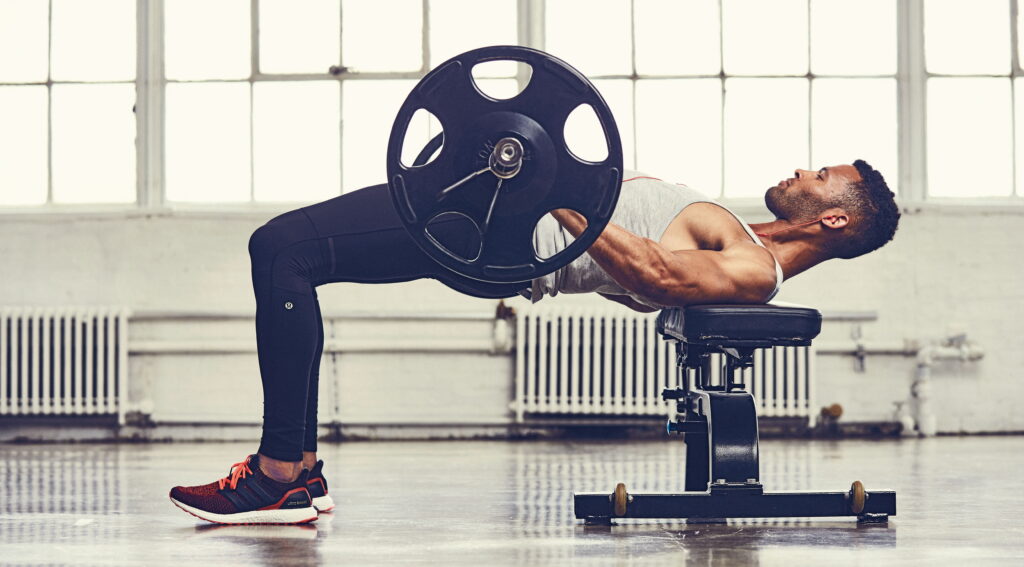
The name of this exercise is: hip thrust with a barbell, or a glute bridge from a bench. 

How the hip trust is performed:

    1. Find a heavy bench in the gym.
    2. Sit on the floor, pressing your shoulder blades to the bench, and put your feet on the floor, slightly wider than your shoulders, knees bent.
    3. Direct your gaze at the object in front of you at an angle of approximately 45 degrees upwards and do not take your eyes off this point throughout the entire movement.
    4. Squeeze your glutes to push your hips up, forming a bridge.
    5. You should feel how your heels rest on the floor, and your shins are perpendicular to the ground. In this upper position of the hip joint, squeeze the glutes as much as possible, while maintaining the position of the head.

Now that you have worked out the technique, you can add a load to the exercise.

If possible, find a shorter bar, for example, with an EZ-neck, so that you do not have to spend a lot of effort to keep your balance at the top point of the movement. The barbell should be placed across the body, slightly above the pelvis. So that the neck does not put too much pressure on the pelvic bones, put a soft roller under it. Hold the neck with a straight grip.

One of the key points in performing hip thrust, which should not be forgotten, is that your head or shoulders should not lie on the bench (in a neutral position) at the lower and upper points of the movement. The movement should be carried out at the expense of the gluteal muscles.

Another key point is to keep your knees apart to the sides. They should not wrap inside when you push up or down. If you keep them wider, this will contribute to the removal of the hips and even more elaboration of the glutes.

Finally, don’t worry about how high you lift your hips. Most likely, in the upper position, they will be slightly lower than the shoulders and knees.

But if it is difficult for you to perform this exercise with additional weight, doing the hip thrust without a barbell can still be very effective.

To begin with, I recommend doing 3 sets of 5 repetitions with a five-second compression of the glutes at the top point. 

Pull-ups. Beginner’s guide

Pull-ups – one of the simplest, but most effective exercises. With their help, even in adulthood, you can get a beautiful figure, developed muscles of the arms, back, abdominal muscles and even chest muscles.

This article will help you to start doing pull-ups even if you have never done it before.

Warm-up

The warm-up should include about 2 minutes of running on the spot or walking at a fast pace. Then we proceed with warming exercises “from top to bottom”, i.e. from rotation of the head, through rotation of the shoulders, forearms, hands, pelvis, knees to rotation of the foot.

Workout

Begin with doing the maximum possible number of pull-ups with the correct technique. We avoid jerks, swinging, kicking with our feet, distortions in our hands. We pull ourselves up at a calm pace: exhale on the upward movement, inhale on the downward movement.

It may happen that you are not able to do a pull-up yet. And it happens quite often. But this is not a tragedy. Let’s do the exercises that will help you to strengthen your muscles first.

1. Australian pull-ups.

This exercise will strengthen our back muscles.

By changing the angle between the trunk and the surface on which you perform this exercise, you can change the load on the working muscles and at the beginning choose a position that will allow you to perform 8-10 repetitions.

By changing the position of the legs, we can adjust the load on the muscles of the back and the muscles of the arms.

2. Pull-ups from the box.

Here we are already performing almost a classic pull-up, but when lifting, we help ourselves with our legs, thereby developing proper motor skills, and continuing to train the muscles of the arms and back.

Moving the box closer and further relative to the crossbar, we change the load on the working muscles.

3. Pull-ups with a resistance band.

We fix the band on the crossbar. We insert the foot into the lower loop, and using the compression force of the band, we lift our bodyup. Make sure that the band does not slip off your foot. Otherwise, the compression force of the rubber can strike you.

4. Negative pull-ups.

This is the exercises when you, using a box do a pull-up and then, as slowly as possible, lower yourself to the starting position, lingering due to the strength of your arms and back.

We perform the exercise as slowly as possible.

Using these 4 exercises in your workouts, you will form a muscle frame that will allow you to perform classic pull-ups without using additional devices. Every two weeks, you need to do a test for the maximum number of classic pull-ups. When the number of correctly performed repetitions reaches 5, the main part of the training can be filled with classic pull-ups, and the exercises given in this article can be left to “finish off” the muscles, forming muscle endurance and increasing the number of repetitions from time to time.

Soy milk: benefit or harm?

Soy milk is a vegetable milk – an analogue of animal milk. By the very name, it already becomes clear that soy milk is a liquid which is made from soy beans.

The exclusion of dairy products as a part of vegan diet significantly changes the nutrition system, since milk and its derivatives are present today in a huge number of food products that are familiar to us. 

However, such products as vegetable milk let people still eat same products they are used to.  It can be yogurt, cottage cheese, cheese, smoothies and various dairy desserts. Such a variety allows you to exclude dairy products from the diet relatively painlessly for your taste habits.

Presumably, such milk appeared in East Asia. Soybeans are soaked  for several hours. Then the soaked beans are crushed to a puree, and after this puree is boiled intil ready.

Then it cools down, it is filtered and, in fact, the finished product is obtained-soy milk. This liquid is quite rich in protein — about three percent of the total weight, as well as various trace elements. In industrial production, the final product is additionally enriched with vitamins such as calcium and B12 to maximize the similarity of soy milk with cow’s milk in terms of nutritional value. 

Nutrients

potassium-118 mg;
phosphorus — 52 mg;
sodium — 51 mg;
magnesium — 25 mg;
calcium — 25 mg;
choline — 23 mg;
selenium — 4 mg;
iron — 0.64 mg;
manganese — 0.2 mg;
zinc — 0.12 mg;
copper — 0.12 mg.

Benefits

It contains about the same amount of protein as animal milk. In its natural form, it contains less calcium than cow’s milk, but often manufacturers artificially enrich soy milk with calcium.

Compared to cow’s milk, soy contains much less saturated fat and does not contain cholesterol, which makes this product a dietary product. Also, this milk is easier to digest, since it does not contain lactose. 

In addition, it contains a high percentage of vitamin E and lecithin, as well as isoflavones, which are phytoestrogens — substances that affect the metabolism and hormonal background.

Soy milk: harm

The problem of such vegetable milk  lies precisely in the fact that most of the soy is imported from China, where herbicide treatment is very popular. To avoid this problem, it is better to buy soy and soy milk, which are grown in environmentally friendly conditions and are best of all localy produced.

It is also worth noting that milk made of soybeans has other negative aspects. For example, it contains a high concentration of phytic acid. According to the results of scientists ‘ research, this prevents the assimilation of important trace elements: magnesium, calcium, zinc and iron, which actually does not allow these substances to be fully absorbed, which seem to be contained in the product itself.

Antioxidants. Benefits and sources

Antioxidants are known since the 1990s.

If you can’t handle a big spoonful of bright green guacamole with spicy Mexican vegan chili peppers, be careful — it can easily turn into an unattractive gray sediment if you leave it for too long or do not add enough lime juice. The color change is a natural reaction between fruit and air, a process called oxidation.

Oxidative stress

But not only fruits are aware of oxidation, it also happens in your body.

It is believed that “oxidative stress” plays a role in aging, leading to wrinkled skin and brown spots on the skin, cataracts and age-related macular degeneration, as well as a number of chronic diseases, including heart disease, cancer, diabetes and Alzheimer’s disease.

It is paradoxical that oxygen — an element necessary for life-can have such a destructive effect on the body.

Free radicals

The culprits are unstable molecules called “active oxygen forms”, or free radicals.

They are produced naturally, just during breathing, movement and when your body turns food into energy. But free radicals are formed in much larger quantities due to alcohol consumption, cigarette smoke, environmental pollution, pesticides, ultraviolet radiation, stress, lack of sleep and fried food.

Their destructive behavior can lead to cell death or cause mutations in our DNA leading to cancer. They can also increase the likelihood of getting ” bad ” LDL cholesterol into the artery wall, which is bad.

Antioxidants – Vitamins A, C, E

However, there is an antidote. Antioxidants can neutralize free radicals before they cause any harm, and there are hundreds, perhaps thousands of different substances that act as antioxidants in food, especially in plant foods.

The most famous are vitamins A (beta-carotene), C and E, as well as selenium, lycopene and polyphenols, but there are many more of them. Lemon juice and lime juice prevent oxidation, because they contain vitamin C.

We have known about antioxidants since the 1990s, when studies showed that people who consume small amounts of fruits and vegetables have a higher risk of developing atherosclerosis (when the arteries are clogged with fatty substances), certain types of cancer, vision loss and many other chronic diseases. Plant-based foods are by far the richest source, while meat, fish and dairy products contain few antioxidants.

Plant-based products and antioxidants

The study, published in the journal Nutrition Journal, studied the content of antioxidants in more than 3,100 food products: beverages, spices, herbs and supplements used worldwide — and found that “plant-based products saturate the human diet with significantly more antioxidants than non-plant-based products.”

Berries are an excellent source of such, especially black currants, strawberries, blackberries and cranberries. Fruits that do not turn brown when exposed to air, such as mango, kiwi and orange, contain more antioxidants than those that turn brown —apple, pear and banana. Olives are also a good source. Good vegetables include artichokes, cabbage, red and green chili peppers, red cabbage and beets.

Whole-grain bread, brown rice and whole-grain pasta contain much more antioxidants than their white processed equivalents.

Brazil nuts are an exceptional source of the antioxidant selenium. 

Black and green tea, grape juice contain a significant amount. Water does not contain antioxidants, and cow’s milk also contains almost zero.

Herbs and spices

Herbs and spices are usually very rich in antioxidants, especially cloves, peppermint, allspice, cinnamon, oregano, thyme, sage, rosemary and saffron. Experiment and be generous.

The antioxidant lycopene is a pigment that helps to give color to red and pink fruits and vegetables, and the cooking process actually increases its level. The best sources are tomatoes and tomato products: organic ketchup can contain three times more lycopene than non-organic. It is also found in pink grapefruit, watermelon, guava and papaya.

Vitamins A, C and E can be destroyed by prolonged storage or prolonged preparation. Although the cooking process can increase the antioxidant content of some foods, processed foods usually contain much less than fresh ones.

The key factor determining the risk of the disease is the entire diet, not individual elements, while plant food has a powerful protective effect. The high content of antioxidants in fruits and vegetables may be one of the reasons why this is so. So, if you are sick, stressed or tired — lean on broccoli and blueberries.

Herbs and spices are usually very rich in antioxidants.

The best way to get the right amount of antioxidants is to eat a lot of bright fruits and vegetables: sweet potatoes, carrots, red peppers, purple broccoli, red cabbage, asparagus, curly cabbage, berries and avocado.

And don’t forget about the lime juice when you cook guacamole!

Fitness Trends in 2021

Fitness trends have been the subject of studies  of ACSM’s Health & Fitness Journal® (FIT) for the last 15 years. They have circulated an electronic survey to thousands of professionals around the world to determine health and fitness trends. 

While survey was designed to confirm or to introduce new trends  that will have a perceived positive impact on the industry according to the international respondents, I am sure that such information is also important for people who are looking for new alternatives of being healthy and stay active.

Here are the survey results. 

Top 20 Worldwide Fitness Trends for 2021

It’s obvious, that the big changes within the health fitness industry due to the COVID-19 pandemic resulted in the new trend that uses digital streaming technology to deliver group, individual, or instructional exercise programs online. Online training is available 24/7 and can be a live class (live streaming workouts) or prerecorded.

The second place took the wearable technology that includes fitness trackers, smart watches, heart rate monitors, and GPS tracking devices. These devices can be used as a step counter and can track heart rate, body temperature, calories, sitting time, sleep time, and much more.  New innovations include blood pressure, oxygen saturation, and electrocardiogram.

I guess nowadays almost everybody has a watch that helps to measure everyday activity and calories intake. Such devices became one of the most popular choices for a gift. Therefore, it is quite understandable why this position is in second place in popularity.

I also want to draw my attention to a few more positions in this list. As a personal fitness trainer, I noticed that there really is a trend that people who are over 50 and 60 years old come to my classes more and more often.

I am very happy about this. After all, this means that people are living longer, working longer, and remaining healthy and active well into their retirement from work.


And the last but not least among the fitness trends is health/wellness coaching. In fact, it’s the main approach of my work now. Health/wellness coaching uses a one-on-one (and at times small group) approach with the coach providing support, goal setting, guidance, and encouragement. The health/wellness coach focuses on the client’s values, needs, vision, and short- and long-term goals using behavior change intervention strategies.

Based on my experience and market analysis, I also have my own vision of fitness trends this year:

1) The Body&Mind fitness approach is becoming more popular. Due to the constant stress present in life, as well as an increase in the time spent sitting at home at computers, TV shows, phones and in the car, more and more people want not just to “tighten up” and get rid of possible discomfort in the back, neck, lower back, but also to relax psychologically, reduce stress levels and become more confident, calmer and more focused. But all this can be achieved with the help of a competent mindful fitness approach. Within the framework of which I carry out my working practice.


2) A “smart” holistic approach to fitness. An increasing number of people understand the importance of working on the feet, pelvis, chest, because everything is connected with everything in our body. The phrases “step pattern” or “fascia” are more used and understandable.


3) Express workouts and office warm-ups. Short (15-30 minutes), effective and interesting. The distance between life and exercises are getting smaller. We stop dividing the day into work and physical activity. We understand that sitting all day, and only going to the gym in the evening, is not so effective. We introduce exercises into the work process: walking during lunch, working meetings outdoors – all this makes us more conscious and active.

Well, friends, are you trending? I definitely am! And the fact that you are here with me means only one thing: WE WILL GROW AND DEVELOP TOGETHER.

Join my Health Community in Instagram @transformbst and see you in my training sessions.

Exercise for body relaxation from the qigong practice

Exercise for body relaxation in qigong complexes is allocated in a special section. The ability to properly relax the body is considered the key to health in this philosophy.

Perhaps many people are skeptical about such practices, because for European countries, physical exercises that came from the East are not completely clear due to a special philosophical and psychosomatic approach. I agree that, of course, before borrowing something from another culture, it is worth studying and checking what effect certain practices have on the body and mental state.

Those exercises for body relaxation, which are presented in this article, have long been widely used in European practices. They are safe and can be used both in the morning to wake up the body, and in the evening or during the day to relieve tension.


The exercise for body relaxation is called “Patting the trunk”.

Let’s stand up freely. The arms are lowered, the back is straight. Feel the top of your head, which stretches upwards without effort. But at the same time it keeps your spine straight. The shoulders are relaxed. Hands like whips. It is with them that we will do body pats.

To get into the main stand, take a step to the side with your left foot, about shoulder width apart. Close your fingers into an “empty” fist. That is, the fingers are closed, but there is free space inside the fist. Close your eyes and focus on doing the exercise. We breathe calmly and slowly.

There are five movements in total. They are paired. That is, they are performed when turning in one direction and the other.

The main movement is turns in the lower back – left – right. At the same time, the hands seem to hang freely, and when turning, they tap on the body. Moreover, the hand that is in front of the torso strikes it with the inner part of the fist. And the hand that is located on the back side is the outer part of the fist.


1 movement.

From the initial position, we turn the trunk to the left: the right hand ” slaps” on the pubis, the left on the coccyx. We do the same in the other direction. Without stopping, we perform 8 such cycles. With this movement, we activate the work of two channels: anterior-median and posterior-median.


Pubic and coccyx area
2 movement.

Continuing the first movement, we turn the trunk to the left, but now the hands rise higher. The right hand hits the stomach at the navel level, the left hand hits the cretz area. We repeat everything to the right side. We do 8 such cycles in total. We activate the work of the intestines and relax the lower part of the trunk.


Navel level and sacrum area
3 movement

We also continue the previous exercise, but we raise our hands even higher: the area of floating ribs and the lower back. And we also repeat 4-8 times. We activate the work of the channels of the liver, spleen and kidneys


Floating ribs and lower back level
4 movement

We continue to make turns. The arms are raised even higher: in front – the area between the nipples, from the back-between the shoulder blades, as soon as possible. We also repeat 4-8 times


The area between the nipples and shoulder blades
5 movement

Here, hands are patted on the collarbone and back muscles, at such a height as you can reach. But! Patting is performed not with a fist, but with an open palm. The movement is also performed 4-8 times. This movement relaxes the clamps of the neck and thoracic spine.


The area of the clavicle and back muscles. The hand is open

Now we “go back ” down, performing all the movements in the opposite direction. At the same time, the number of repetitions can be chosen arbitrarily, as it will be comfortable for you.


The benefits of the exercise

1. We relax the body, thereby removing the clamps and pains of the body

2. Tapping and free movement of the hands, combined with a slight turn of the trunk, relieves tension in the cervical and thoracic regions. Which is especially important for those. who works for a long time in a sitting position, at the computer. The result of such hard work is often a curvature of the spine. Therefore, it is advisable to perform this exercise several times during the working day.

3. Exercise activates the work of the channels of the kidneys, spleen, liver and intestines.

Body fat. 6 most popular ways how to measure

Body fat percentage is an important indicator for evaluating the effectiveness of your weight loss strategy.

When it comes to body weight control, it is very important not only to observe the decrease in indicators on the scales, but also to understand why your weight is reduced.

After all, unfortunately, we can lose weight not only because of the loss of fat, but also due to a decrease in muscle mass. Therefore, recently, various methods for determining the percentage of body fat are in increasing demand.

In this article, we have collected 6 ways to measure body fat.

1. Caliperometry (measurement of the thickness of the skin folds)

Body fat measurement

The measurement of skin folds is used to assess fat deposits for more than 50 years. With the help of a caliper, the thickness of subcutaneous fat in certain parts of the body is measured. Measurements are carried out in several different parts of the body. Then, using special tables, the percentage of body fat is determined based on the data obtained.

Advantages: calipers are very affordable and measurements can be carried out quickly.

Disadvantages: the method requires practice and basic knowledge of anatomy. In addition, the measurement procedure itself may be unpleasant for some people.

Accuracy: The skills of a person measuring the thickness of skin folds may vary, which affects the accuracy. Measurement errors can be 3.5 – 5 percent fat.

2. Measurements of body circumferences
The body shape varies from person to person, and your physique gives information about the amount of fat in the body. Measuring the circumference of certain parts of the body is a simple method for assessing the body fat content. For men, the neck and waist circumferences are used in this equation.

Advantages: This method is simple and accessible. All you need is a centimeter tape and a calculator.

Disadvantages: Body circumference equations cannot be accurate for all people due to differences in physique and fat distribution.

Accuracy: Accuracy can vary widely depending on your similarity to the people used to develop the equations. The margin of error is only 2.5-4.5 percent of body fat, but it can be much higher.

3. Dual-energy X-ray absorptiometry (DEXA)
As the name suggests, DEXA uses X-rays of two different energies to estimate the percentage of fat in your body. During the DEXA scan, you lie on your back for about 10 minutes while the X-ray machine scans you. The amount of radiation from the DEXA scan is very low. DEXA is also used to assess bone density and provides detailed information about bones, fat-free mass and adipose tissue in individual parts of the body (arms, legs and torso).

Advantages: This method provides accurate and detailed information, including a breakdown by different areas of the body and bone density readings.

Disadvantages: DEXA are often inaccessible to the majority of the population, expensive and associated with additional radiation.

Accuracy: DEXA gives more stable results than some other methods. The error can be 2.5-3.5% fat.

4. Hydrostatic weighing

This method, also known as underwater weighing or hydrostatic densitometry, estimates the composition of your body based on its density. In this method, you are weighed when you are submerged under water after exhaling the maximum possible amount of air from your lungs. Then you are also weighed when you are on land, and the amount of air remaining in your lungs after exhaling is estimated or measured. All this information is entered into the equations to determine the density of your body. Your body density is then used to predict the percentage of body fat.

Advantages: this is accurate and relatively fast.

Disadvantages: it is difficult or impossible for some people to completely immerse themselves under water. The method requires you to exhale as much air as possible, and then hold your breath under water. Hydrostatic weighing is usually only available at universities, medical institutions, or certain fitness centers.

Accuracy: If the testing is done perfectly, the error of this device may be as little as 2 percent fat.

5. Bioelectric Impedance Analysis (BIA)
BIA devices determine how your body reacts to small electrical currents. This is done by applying electrodes to the skin. Some electrodes send a current through your body, while others receive a signal after it has passed through the tissues of your body. Due to the higher water content in the muscles, electric currents pass through them more easily than through fat. The BIA device automatically enters your body’s response to electric currents into an equation that calculates your body composition. There are many different BIA devices that vary greatly in cost, complexity, and accuracy.

Advantages: BIA is fast and easy, and many devices can be purchased by users themselves.

Disadvantages: the accuracy varies widely and can strongly depend on the intake of food and liquid. Although many devices are available to consumers, they are often less accurate than expensive devices used in medical or research institutions.

Accuracy: The accuracy varies, the error is 3.8-5 percent of body fat, but it can be higher or lower depending on the device used.

6. Bioimpedance Spectroscopy (BIS)
BIS is similar to BIA in that both methods measure the body’s response to small electric currents. But these devices use different technologies. BIS uses a much larger number of electrical currents than BIA to mathematically predict the amount of fluid in the body. BIS also analyzes information differently, and some researchers believe that BIS is more accurate than BIA. The accuracy of both of these methods depends on how similar you are to the people for whom these equations were developed.

Advantages: BIS is fast and simple.

Disadvantages: Unlike BIA, consumer-level BIS devices are currently unavailable. BIS is usually only available at universities, medical institutions, or certain fitness centers.

Accuracy: BIS is more accurate than consumer-level BIA devices, but has the same error as more advanced BIA models (3-5 percent fat content).

Which method is best for you?

It depends on your goals, the required accuracy, frequency of use, availability and price.

Whatever method you use, it is important to consistently use the same one. If you evaluate yourself in one way each time, this will reduce the number of errors and make it easier to determine progress.

It is almost always better to take measurements in the morning on an empty stomach after going to the toilet. At the same time, it is necessary to interpret the results with caution: even the most convenient methods are not ideal and give only an approximate estimate.

Fascia. How to work with the body?

Fascia is a component of connective tissue, a three-dimensional network of connective tissue that covers and separates muscles. Fascia helps us to keep our posture and move optimally without losing balance.

Role of fascia in the body.

Fascia is a film of elastic fibers that form an entire fascial network. Deep layers of it form the support of organs, support points for muscles, tunnels for blood vessels and nerves.

This tissue helps to maintain a structural balance in the body. The fascial fibers connect not only muscles with bone, but also muscles with muscles, as well as all the structures and supports of the body.

Muscles don’t attach to bones. The fascia is attached to the bones, which, entwining muscle fibers, passes through the muscle and around the muscle.

Now this subject is actively being discussed by osteopaths and body therapists. It is also very important  for all coaches and people who have been injured or are engaged in rehabilitation.

Why is it important to understand the role of the fascial connective tissue?

There are much more nerve endings in the fascia than in the muscles. This makes the connective fibers sensitive to pain and sensations. Most sports injuries are actually injuries to fascial structures, not muscle tissue.

Tension in the fascia or their weakness can lead to a violation of posture, to uneven wear of the joints and intervertebral discs, to protrusions and back pain.

To restore the elasticity of the fascia and flexibility in the body, special exercises are needed.

Myofascial massage will work well (you can use a roller, balls) with a deep study of clamps and painful seals.

How seal or glue together?

The fascial tissue can be dehydrated, since it consists of water (due to lack of movement or repeated muscle overload) and its fibers come together and “stick together”, forming a knot or seal. If you leave them in this state for a long time, the adhesions of the fascia thicken, and the muscle “freezes”, which can be very painful.

Stretching can also be very useful, but it is important not to tighten the fascia when they are in chronic tension and not cause even more harm.

When we work with connective tissue, it gives a rejuvenating effect and significantly improves the psycho-emotional state, erases the negative from the memory of the fascia.

With the help of competent and proper work with the body, you can remove a lot of chronic pain, violations of posture, gait and even align the lines of the face.

Hatha yoga asanas are ideal for working with fascial tissue. These exercises lengthen the chains of the fascial tissue in various directions.

In addition, yoga effectively affects the entire nervous system and the body as a whole.

Difficulties in practicing meditation

The difficulties in practicing meditation happen to many beginners. This is absolutely normal, because you are trying to master a new skill for your body and mind, and it is always not easy.

A lot of people think that meditation is not for them. Therefore, there is a clear conviction in consciousness that everything that we have not explored is inaccessible to us.

But it is worth paying at least a little attention to this and understanding the issue and everything will immediately become available.

Moreover, meditation is something that is inherent in everyone and is natural.

Let’s look at the most common difficulties in practicing meditation.

    • “I don’t know where to start.”

Now there are various schools of meditation, teachers, with some it is possible to study personally. There are many good books and a huge number of articles, websites and applications. Just try to start somewhere.

    • “When I meditate, I fall asleep.”

Often our body perceives relaxation as a call to sleep. Drowsiness is a natural initial reaction of the body. Keep practicing and this complexity of meditation practice will gradually go away. As an option, you can always try another type of meditation.

    • “It hurts to sit for a long time.”

You don’t need to endure the pain. Any suffering will lead you to resistance. You can use pillows for meditation, or at first you can meditate on a soft surface( but always sitting), on a chair, for a short amount of time. Over time, the practice will deepen, the spirit will strengthen and the consciousness will know how to meditate. In order not to hurt your back and not to numb your legs, yoga provides a step for working with the body – this is hatha yoga.

    • “There are a lot of pictures, images, unpleasant experiences in meditation.”

This is another stage in the evolution of the meditator. When you first look into your subconscious, you may encounter accumulated painful experiences of the past, which pops up in different images and can cause different emotions. Treat it as a cleansing. Do not get attached and continue, this is a good sign if you can not hang on this stage.

    • “I don’t have time.”

Time for yoga appears if you do yoga. As soon as you give yourself a whole hour to practice, meditation, you may be surprised to notice that there is more time in your life. Yoga gives a slowing down of time and a conscious moment of now.

If your soul is interested in meditation, reads this article, then you are definitely ready and you have time for everything that you really want.

    • “Nothing is happening, I don’t see anything.”

This most often indicates stress, which could block certain nerve and energy centers responsible for visualization and emotionality. Perhaps there is a complete disbelief in oneself or in the spiritual world and this statement blocks the perception of another reality.

Asanas form the body for years, making it strong and hardy, breathing techniques strengthen health and energy in a few months, and meditations act instantly.

To achieve real meditation, calmness and goodness, it is enough to practice 2-4 times a week. Make sure of this for yourself by starting to practice regularly.

ABS training for elderly

Abs training for elderly is a necessary element of maintaining a healthy and strong body.

In this article, I will share with you simple but effective exercises that will help strengthen the abdominal muscles of elderly people without harm to the joints and spine.

After all, it is in old age that the issue of maintaining the balance of the body, a healthy back and a confident gait is especially relevant, and in fact the abdominal muscles play a direct role in this.

Let’s get started.

Exercises for abs training for elderly are performed from a supine position.

It is necessary to lie on your back, tightly pressing the lower back to the floor. You can put your hands under the lower back. Or twist a towel and put it under the lower back, and your hands under your head. This is necessary in order to relieve excessive tension in this area.

The legs should be brought together.

Then you need to hold one leg for 2 seconds, lifting it at an angle of 40-60 degrees. Then return it to the initial position.

Do the same movement with the second leg.  For less stress on the muscles, you can slightly lift your head.

If you are confident in your abilities and the level of preparation for physical exercises, it is worth performing a simultaneous leg lift.

Also, as with the first option, you need to lie on your back, bringing your legs together. But you need to lift both legs at once by 45-60 degrees, after a pause of 2 seconds and return to the starting position.

At the same time, if you lower your heels to the floor, the exercise will be simplified, and if you do not bring them to the floor, it will be much more effective to influence the abdominal muscles and keep them in the maximum position.

Do the exercise 12 times in 2 or 3 repetitions. If your health and well-being are excellent, you can keep your feet in the air for more than 2 seconds.

Another option for such an exercise may be to raise straight legs and hold them in a position of 90 degrees from the floor.

Perform it with a support at the top for 5 seconds and a slow lowering.

Repeat the exercise 12 times in 2 or 3 repetitions.

Good luck!

Yoga for beginners. 6 important rules

Yoga for beginners is the right and gradual way to enter the world of yoga. If you want to start practicing yoga, these tips are for you.

They will inspire you to practice and make it effective.

1. Overcome all the reasons for your indecision and start. Books, yoga for beginners tutorials or classes in the studio will help to accumulate initial experience, which sooner or later will lead to a real Teacher – if you are not lucky enough to meet him right away.

2. Make it a rule to tune in to classes-5-10 minutes before starting in a comfortable sitting or lying position with your eyes closed, watching your breathing. Be inspired and attentive in your practice.

3. Practice with full dedication, overcoming the lazy nature of the body, but do not let your ambitions take over and overdo it in your classes. The effect of yoga for beginners practice can appear only if you practice regularly for a long time.

4. Determine for yourself the number of classes per week and the period (at least 3 months) and show perseverance in your practice. Action is better than inaction, but only the right action will give the result.

5. Do not quit classes if something does not work out for you or it seems to you that there are no visible improvements — develop observation, noting even barely noticeable changes.

It is good to keep a diary and record your impressions and feelings. It won’t be easy at first, no matter what you’ve been doing before. There is no need to strive to make complex poses, it is more important to study the correct movements in simple poses, getting the maximum effect from their execution.

6. Do not compare yourself with other students, but only with yourself before and after class, from class to class. And the effort is worth it. With practice, the body will change, and with it the mind, habits, environment, values.

And, believe me, you will like the changes that are taking place, because the practice of yoga gradually brings a person into harmony with his inner and outer world and brings him closer to the soul. The main thing is patience and perseverance, because yoga is about overcoming, cleansing and transforming yourself.

One of the most famous teachers of India, B. K. S. Iyengar, said: “The most important thing in yoga classes is not breathing technique, knowledge of asanas or joint flexibility. The most important thing is to spread out the mat and start studying.”

Edema: measures to prevent it

Edema can be caused by too much salt and additional sodium in the body. That keeps the liquid outside the cells.

Sodium plays a key role in regulating water in cells, and also contributes to the functioning of the nervous system and muscle work. The body tries to maintain the ratio of sodium to water outside the cell walls, about the same as in seawater.

When using salt, the body retains water to maintain the desired ratio. So, 400 mg of sodium (the amount in 1 g of table salt) makes the body retain an additional 0.5 liters of water. We need at least 180 mg of sodium per day, and ideally 1500 mg. However, a modern person receives more than 3,400 mg.

Measures to prevent edema

One of the ways to reduce water retention is to increase potassium intake at the expense of vegetables and fruits. These foods contain nutrients that help prevent the leakage of fluid from the blood vessels into the tissue spaces. It is better to eat foods with a high content of potassium, and not take artificial supplements.

You can reduce or exclude unhealthy food from the diet: canned food, semi-finished products, fast food and other food that may contain hidden salt ingredients.

The problem with water retention can begin when a person goes on a low-calorie diet. As a rule, a low-calorie diet lacks protein, and protein is an important nutrient for preventing abnormal changes in body tissues.

Here are some tips that will help reduce edema in the body:

Reduce your sodium intake
Avoid processed foods
Drink 8-12 glasses of liquid a day (water, fruit juices, milk)
There are more citrus and green leafy vegetables
Follow the diet: eat at the same time and do not overeat
Regular movement is necessary. Cycling and walking help to activate the circulation of fluid in the lower extremities. Excess fluid is not excreted in those who make long flights, sit at a table for a long time or are in a wheelchair.

How to quickly remove excess fluid?

Doctors can prescribe diuretics-drugs that help the body get rid of water and sodium. When using diuretics, you need to be careful because of possible side effects: dizziness, dehydration, weakness. It should be remembered that edema is not a cause, but a consequence of various disorders. If the cause is not eliminated, it will lead to more serious problems. The complications caused by fluid retention vary depending on the severity and the underlying cause.

Some products have a diuretic effect. For example, adding lemon juice to water causes frequent urination and reduces water retention. Cranberry juice is another natural diuretic. You can drink one glass of cranberry juice a day to reduce water retention. Most foods high in vitamin C also have natural diuretic properties.

No matter how contradictory it may seem, but the use of a large amount of water reduces its retention in the body. Since water retention often occurs due to dehydration, providing the body with a large amount of water will allow the body not to store water in order to prevent it.

It is necessary to maintain a healthy lymphatic system. It circulates lymph throughout the body and collects bacteria, viruses and residues of cell waste products for subsequent disposal.

Proper nutrition and physical activity will help to avoid serious health problems and, as a result, fluid retention.

Be healthy!

Water retention in the body. List of foods

Water retention, or edema, is defined as an excessive accumulation of fluid in the circulatory system, tissues or cavities of the body. 

We consist of about 60-70% water. Water is contained in organs, muscles and even bones. But sometimes the body holds too much water, and then there is swelling of the feet, ankles, hands, face.

Water retention is often temporary and can be easily eliminated. However, this may be a sign of a serious illness. In particular, weight may increase, and no diets and exercises will help you lose extra pounds.

Why water retention happens in the body

Edema occurs when small blood vessels leak fluid into nearby tissues. Excess fluid accumulates and causes swelling of the surrounding tissues. There can be many reasons for edema: a dislocation, a bee sting or a skin infection. By the way, in the case of an infection, edema helps the body to heal, since more white blood cells fighting the infection get into the swollen area.

Other reasons that the fluid is retained in the body can be caused by a number of conditions and diseases. The most common reason is too much salt in the diet. The cause may be: diseases of the heart, kidneys, liver, side effects from certain medications, a malfunction of the lymphatic system. 

Other common causes:

A long stay standing on your feet.
Hot weather.
Burns, including sunburn.
Lack of protein or vitamin B1 (thiamine) in the diet.
Taking medications (hypotensive) for high blood pressure, corticosteroids and non-steroidal anti-inflammatory drugs.
Chronic venous insufficiency: weakened vein valves on the legs cannot effectively return blood to the heart.

Water retention: symptoms

Fluid retention can be accompanied by symptoms that depend on the underlying disease or disorder. For example, clinical symptoms of water retention in the body associated with diseases of the cardiovascular system:

Chest pain or pressure
Fatigue
Inability to move for a long time
Shortness of breath

Other symptoms that may occur together with fluid retention:

Reduction of body hair, especially in areas of edema.
Discomfort or pain in the part of the body where the swelling occurs.
Reduced ability to move the part of the body affected by edema.
Changes in the condition of the skin in areas affected by edema: thickening, loss of elasticity, etc.
Rapid weight gain or weight fluctuations.
When pressed, the skin can hold the dent for several seconds.

There are more serious symptoms that may indicate a life-threatening condition:

Shortness of breath
Inability to urinate
Loss of consciousness

What foods retain water in the body: list

Edema is a serious health problem, so you need to understand which products retain water in the human body. The mechanism of water retention depends on the peculiarities of digestion of these products. For example, gas formation, bloating and increased acidity lead to water retention.

Pay attention to the list of products that lead to edema. They can be excluded from the diet or reduced in number:

Foods rich in sodium. Table salt is one of the main causes of water retention. How salt retains water in the body has been known for a long time, but it is not so easy to exclude the product from the diet. Salt is present in almost everything that we eat: in processed and ready-made products, bread, etc. Table salt contains about 40 % sodium, which the body dilutes with water, then the excess liquid is retained. Given this fact, you can remove excess fluid from the body by replacing salt with spices.

Carbonated drinks and drinks with a high acid content. In addition to soda, this list includes coffee, caffeinated drinks, fermented tea and some fruit juices.

Vegetables of the cruciferous family. White cabbage, broccoli, radish, horseradish also retain water in the body of men and women. This is due to the fact that they contain raffinose — a sugar that remains undigested until it is fermented by bacteria in the intestine.

Apples. This product is an integral part of a healthy diet. However, the fruit contains fructose and sorbitol, which are difficult for some people to digest, which leads to puffiness.

Starch. Most products rich in starch (potatoes, corn, pasta, wheat, etc.), products made of refined wheat flour, as they are difficult to digest, emit gas, are rich in fats and can cause water retention.

Dairy products. In people with lactose intolerance, the body cannot digest dairy products, so they move to the colon, where bacteria try to break them down.

Legumes. These products are rich in proteins, but at the same time they contain such an amount of sugar and dietary fiber that it is not easy for the body to digest.

Spicy and fried dishes. The stomach takes much longer to break down fats and digest them properly. Spicy food stimulates the secretion of gastric juice and can cause an increase in acidity.

How alcohol causes water retention in the body

Alcohol is a toxin, and the body needs water to remove the poison. Therefore, on the one hand, the body itself retains water to help the liver cope with toxins, and on the other — alcohol disrupts the excretory function of the kidneys — and fluid accumulates in the tissues.

The situation can be worsened by the use of fried, salty and spicy food together with alcohol. How long alcohol retains water in the body depends on many factors: the strength of drinks, their quantity, the accompanying food and, of course, the state of health of the person who uses alcohol poison.

Protein for vegetarian. Main sources

Protein is a building material for our body so when you start your plant-based diet you face many questions. “How to replenish protein for a vegetarian? How to get the amount of amino acids necessary for our body? Are they contained in sufficient quantities in legumes? How to properly cook and consume legumes?” In this article you will find answers to these questions.

How to replenish protein for a vegetarian

About 20% of a person’s body weight is made up of proteins, and half of this percentage is accounted for by muscles.

The protein consists of twenty amino acids, nine of which the body is not able to synthesize independently. Protein is found in large quantities in meat, but for those who have switched to a plant-based diet, the question of replenishing protein and the necessary amino acids is quite acute.

So, what are the sources of protein for vegetarians and how to replenish the reserves in our body? There are two ways to replenish protein in the body: natural and with the addition of various food additives.

The first involves the consumption of foods rich in plant-based protein, for example: tofu cheese, nuts, legumes, seeds and sesame seeds. The second involves the use of so-called protein shakes.

Today there are a huge number of powdered cocktails, and they are really able to replenish the protein content in the body. There are separate lines for vegetarians.

We suggest returning to natural products, in particular to legumes, and considering their useful properties.

Legumes – main source of plant-based protein

We should immediately note that the culture of consumption of legumes is rooted in the deep past. In Rome and Greece, as well as in ancient Egypt, legumes were considered sacred plants.

The main useful property of legumes is the high protein content — in 100 grams of legumes it reaches 25 %.

In addition, the composition of legumes includes potassium, iron, phosphorus and magnesium. These minerals are responsible not only for the work of the heart, but also for the condition of bone tissues. Legumes are also rich in Omega-3 and Omega-6 acids, which have a beneficial effect on many systems of our body.

Due to the antioxidants that are part of legumes, the prevention of heart and cancer diseases is carried out. The same antioxidants slow down the aging process in the body. There are a lot of vitamins of group A and B in the composition of legumes, which have a positive effect on the nervous system, improve hair growth.

Legumes are also rich in fiber, which improves digestion and intestinal function.

When is the best time to eat legumes?

For all its benefits, legumes are a heavy product, which means that our body needs time to digest them. From the point of view of Ayurveda, the time when our digestive fire (agni) is most powerful is lunch. Therefore, it is best to eat legumes at lunch to give our stomach the opportunity to digest food.

It is appropriate to use legumes for breakfast, in small quantities, legumes can be eaten in the evening, but no later than three to four hours before bedtime. Eating legumes just before a night’s rest can disrupt your sleep and lead to gas formation and flatulence.

It is important to remember that, despite the fact that beans are rich in protein and other useful elements, you should not lean on them. As with other food, moderation is important here, since overeating leads to disorders in the intestinal tract, bloating and gases.

If you cook legumes correctly, use them only with combined products, but you feel a heaviness in your stomach, then it is worth giving up their use for a while. After the restoration of the gastrointestinal tract, start gradually adding legume dishes to your diet.

Legumes are contraindicated in inflammatory diseases of the stomach; if you have diseases associated with the biliary tract, then you should limit the consumption of legume dishes.

How often should I eat legumes

For vegetarians, the weekly norm of legumes is 600-800 grams per week. It is also advisable to divide this norm into several meals on different days.

How to get the most out of legumes

In order to get the maximum benefit from legumes, it is necessary to adhere to simple recommendations covering the process from purchase to submission in ready-made form. If you follow these tips, then legumes will not just retain their useful qualities, but will also surprise even gourmets with their taste.

Before cooking, legumes should be soaked for 4-5 hours in cool water, while the water should be changed to fresh several times.
You need to cook legumes in a small amount of water.
After cooking, the beans are left in the same water to cool down. This way they will retain their benefits.
When cooking, it is recommended to add spices to taste: ginger, black pepper and turmeric. This will improve the digestibility and digestion of legumes.
To improve the digestibility of the trace element iron from legumes, add tomatoes or lemon juice to dishes.
Do not combine legumes with cabbage and asparagus. Also, you should not cook bean dishes with the addition of garlic or onions.

After eating legumes, refrain from sweets for at least three hours. Also, you should not immediately eat fruit.
These simple recommendations will allow you to extract the maximum benefit for the body from legumes.

How to cook legumes correctly

In order for a vegan to get the maximum protein from legumes, it is worth remembering a few tips for their proper preparation.

As noted earlier, legumes require mandatory soaking, which starts the fermentation process. Fermentation will allow the products to be better absorbed by our body.

Leaders in protein content among legumes

As it has already become clear, legumes themselves occupy leading places in terms of the amount of protein in the composition. Among the legume family, it is also possible to distinguish leaders and outsiders in the content of building material. The table below shows a short list of legumes and the amount of protein in them.

Type of legumes Amount of protein (per 170 grams, one serving)

Edamam (green soybeans) 29 gr.
Green beans 13 gr.
Lentils 17 gr.
Red beans 16 gr.
Chickpeas 14 gr.

Plant-based diet. How to start

A plant-based diet is very rarely introduced from birth.

But an American vegan activist Gary Yurofsky once said: “Put a live rabbit and an apple in the crib for a two-year-old child. If a child eats a rabbit and plays with an apple, I will admit that I was wrong and I will eat a steak.”

However, it is never too late to become a true vegetarian. Simply giving up a fried steak or  kebab, you can save the life of at least one representative of the animal world, and this will be the first step on the way to a meaningful and full-fledged life.

It is not necessary to switch to strict vegetarianism right away – there are many programs that allow you to do this progressively and gently.

Where should I start the transition to plant-based diet?

Before accepting a new philosophy of life, it is necessary to be imbued with its ideas, principles and concepts. In this endeavor, the best assistant will be thematic literature, a mentor who successfully let this philosophy into his life, a vegetarian message from like-minded people or examples of famous and respected people around the world who adhered to this diet.

TOP 5 books that are a must-read for novice vegetarians:

Jack Norris and Virginia Massina, “Vegetarian for Life”. This work will clearly explain all the benefits of plant food, teach you to enjoy a vegetarian diet and tell you how to diversify your diet.

Kathy Freston, “The Vegetarian”. A delightful book in its simplicity by a famous vegetarian, which teaches readers how to stay healthy and cheerful people throughout their lives.

Alexandra Romanova, “Vegan for beginners”. After reading this book, the future vegetarian will not have any questions about whether he needs a plant-based diet. Adapted for domestic readers, the book will tell you that a vegetarian diet is suitable for everyone who dreams of a long and fulfilling life, will teach you how to cook simple, unpretentious and at the same time incredibly delicious dishes, without sacrificing defenseless representatives of the fauna.

Thomas Campbell, ” Chinese Research in Practice: A simple transition to a healthy lifestyle.” The work will not only tell you why to stick to plant-based diet, but also teach you how to adjust your diet to a healthier one.

Leo Tolstoy, “The First Step”. The book will interest all fans of Russian classics, including experienced and novice vegetarians. Being a well-known adherent of plant food, Lev Nikolaevich was one of the first to expound the philosophy of nonviolence in his work, which, according to many ideas, logical conclusions and justifications, is significantly ahead of not only the author’s contemporaries, but also today’s knowledge.

How to give up meat and start plant-baised diet? Step-by-step instructions

The fact is that over the years of meat-eating, a special putrefactive microflora has formed in the gastrointestinal tract, which contributes to the breakdown of products with a high content of fats and proteins, but is practically indifferent to plant foods.

In vegans, on the contrary, bifidobacteria prevail in the intestines, which synthesize vitamins and other useful trace elements, restoring the body from the inside. However, it will take time and patience for the gastrointestinal microflora to be rebuilt.

Stage 1. Exclusion of meat from the menu

Since the body is used to eating fatty foods with a high protein content, you should not immediately switch to low-calorie salads, vegetables and fruits. At this stage, a small trick helps perfectly: as soon as you want to return to the meat menu, you should prepare the usual dishes from new products.

For example, beetroot cutlets, rice-carrot meatballs or bean stew. In addition, at this stage it will not be possible to fully balance your diet, because the body will need the usual protein intake. Nuts, beans, peas, soy and lentils can completely replace meat, providing the body with everything necessary.

At the first stage, the gastrointestinal microflora will begin to slightly change its composition, but a more balanced diet will be required for complete purification, since artificially increased protein intake is fraught with a violation of metabolism. Such a menu is acceptable only at first, when the body is just getting used to doing without meat. This period usually takes no more than a week.

Stage 2. Nutrient balance

Having learned to live without meat, you should think over your diet in detail in order to provide your body with the necessary nutrients. 

This period will be the most difficult, because the body will have to re-learn the digestive processes. During adaptation, breakdowns and a feeling of hunger are most possible despite a dense and full meal-this means that the body is still adjusting, accepting a new philosophy.

Stage 3. Acceptance and rethinking

As soon as the body and mind have been cleansed of cruelty and violence, and the body has learned to perceive plant food as the only possible one, the newly-born vegetarian will definitely feel a surge of strength, lightness and cheerfulness. The state of health will improve, the swelling, rapid heartbeat and heaviness in the whole body will go away, and it will become much easier to wake up in the morning. This is the moment of enlightenment, when it becomes clear that life without meat is natural, pure and full.

At this stage, you can start experimenting with varieties of plant-baised diet, trying out fructorian, macrobiotic recipes or testing the principles of raw food, perhaps some of them will appeal to you.

However, it is not necessary to switch to a more strict diet, the main thing is that the rest of the inhabitants of the planet do not suffer during the cooking process.

Vegetarianism: philosophy and diversity of types

Vegetarianism is one of the healthy and balanced nutrition models. Nutrition is the basis of a healthy lifestyle, maintaining impeccable performance and love of life for many years.

But everyone has their own concept of rationalism: some refuse to fry in favor of safer ways of cooking, others exclude excess salt and smoked meat, and for others, a healthy diet is limited to eating fruits and vegetables at least several times a week.

From the point of view of logic, none of these approaches can provide a full-fledged diet, and it can hardly be called healthy, because the key to a full-fledged life is not so much the quality of the products consumed, but the harmony that they bring to the body.

That is why vegetarianism is considered to be a way not only to provide the body with everything necessary for active life and a full-fledged physical condition, but also to maintain mental balance and natural balance, without killing innocent animals for the sake of satisfying base gluttony.

What is vegetarianism?

For most ignorant critics who are skeptical about vegetarianism, a plant-based diet is just a way of eating that excludes meat consumption. This position has the right to exist, but for true vegetarians, their principles are not just a daily diet, but rather a life philosophy that generates bliss, harmony and compassion for all living things on earth.

People who have chosen vegetarianism as the basis of their life are driven by social, religious, ethical and spiritual aspects. The basic principle “I don’t eat anyone!”, voiced many years ago, is still the slogan of adherents of a plant-based diet, since it reflects the true motives of vegetarians. For them, killing for food is base, blasphemous and simply unacceptable.

The spiritual aspect of vegetarianism is associated with the belief that any food carries positive or negative energy obtained in the process of its extraction and preparation.

However, what positive emotions can we talk about if, before getting on the table, the animal was killed by the hand of a person? All the horror, fear and hopelessness that he experienced at that moment were absorbed into every piece of the future steak, into every molecule of it. And by consuming such food, a person cannot remain in harmony with himself, live in peace and harmony, killing for dinner, even if not with his own hands, but still…

In addition, meat-eating brings chaos to the ecological situation of the planet. Just think about it: one of the leading places in the rating of pollutants of water bodies is occupied not by the chemical industry, which everyone is used to blaming for natural disasters, but by livestock farms.

The deforestation of forests for pasture territory, hundreds of hectares of grain for animal feed, which are artificially bred for the sake of enrichment – is this not an environmental disaster? Even the ancient Greek philosopher Plato expressed the opinion that eating meat leads to an unreasonable use of land resources, so why this obvious fact has not yet changed the situation.

The benefits of vegetarianism for the body

There is an opinion that a vegetarian diet consists of one “herb”, which is not able to provide the body with all the necessary vitamins, nutrients and minerals. But how in this case do vegetarians manage to maintain an indecently healthy, young and blooming appearance for many years, maintain an active physical and spiritual component of life?

Vegetable food is not only herbs and roots, but also cereals, legumes, nuts, fruits, vegetables…

Unsaturated fatty acids, which are rich in plant foods, strengthen the cardiovascular system, normalize metabolism, improve the condition of the skin and bones.

Modern classification

With the growing popularity of such a concept as vegetarianism, it has ceased to have the monosyllabic meaning of a plant-based diet. In modern society, it is quite difficult to navigate among the variety of branches.

Who today can proudly call themselves a vegetarian? There are many options:

Those who have refused meat dishes, but continue to consume fish and seafood, adhere to the principles of peskovegetarianism.

Carnovegetarians, having excluded meat from the diet, continue to eat poultry.

For some reason, Flexitarians consider the use of cattle meat acceptable.

However, even among the adherents of deep philosophical principles of this direction, varieties have appeared:

Lactovegetarianism allows the use of dairy products in food.

A plant-based diet that includes eggs is called ovovegetarianism.

The combination of two indulgences – milk and eggs in the diet – is called lactoovegetarianism.

Vegans adhere to stricter principles, completely abandoning animal products.

Raw food diet implies minimal heat treatment of plant foods to preserve natural sources of vitamins and minerals.

Fruitarianism means eating fruits, nuts, seeds, berries and vegetables, but not the plant itself. In short, if at least one representative of the plant or animal world has suffered during the preparation of food, the Frutorian will refuse to eat such a dish.

Macrobiotics build their diet on cereals.

The palette of modern vegetarianism is diverse and full-fledged, so everyone can choose independently which principles it is more convenient for him to adhere to.

The main thing is that the dining table does not cost anyone their life.

Attention is the key to success

Attention is the energy.

This is the most important and basic rule related to your energy. If you paid attention to the fact that everything is bad for you, it means that you have given your energy to make everything even worse in your life. You pay your attention to joyful events — you give your energy for joy, which means that there will be more and more joy in your life.

The mechanism of attention

Energy is nothing but the management and concentration of your attention. This rule means: where your attention is directed, your energy goes there. 

Where you direct your energy is where you want to be closer to. Or, where you direct your attention — with this you want to be closer.

Do you pay attention to gloomy people? So you want to be gloomy! You turn your attention to satisfaction — you want to be satisfied. It’s simple.

If you turn your attention to what you don’t want, that is, to your problems, you send more energy there, and the problems only grow. If you pay your attention to what you want, that’s what you attract into your life.

Do you know what you want?

The fact is that now most people do not know what they want at all. But they always know that they don’t want to. If you don’t know what you want, then how do you determine that something positive is happening to you? Whatever happens in your life — you don’t want this, but something else. And you don’t know what you want. If you don’t know what you want, whatever happens to you, whatever happens to you, it won’t satisfy you.

Therefore, it is very important to find out and determine for yourself what you want. And start paying more and more attention to this case. Thus, you will begin to send more and more of your energy there.

Until you have set a positive goal for yourself, the eternal struggle with problems will never stop! If you set a big goal that is positive in every sense, then daily problems will turn into small difficulties that are easily overcome, gaining invaluable experience.

You should control your thoughts so that there is no leakage of your energy and strength, and then we will be able to change our lives for the better and our desires will be fulfilled.

Exercise your attention

Our consciousness is both a mechanism of influence and a measuring device. But this is possible only because human consciousness can work in two different modes. And in order to avoid any questions – whether it was in fact, or it seemed to us — it is necessary to first learn to separate the two modes of consciousness.

When we model something with our consciousness, we work in the mode of a direct energy circle and at this time we do not perceive it. And when we have finished modeling — it is now necessary to switch to the reverse energy circle mode and then it will be possible to perceive and feel the result of the impact.

Almost everyone knows that when a person has something that hurts, they put their hand to this place. This place is ironed, rubbed, crumpled. Sometimes it is advised to stroke clockwise or vice versa. Since energy always circulates in our body in a forward or reverse circle, our hands are either sources or intakes of energy. Therefore, when we put our hand to the sore spot, we either add energy there or take it away from there. 

For example, with inflammation, an overabundance of energy is collected in the organ, and taking it from there, we will improve a person’s feelings. At the same time, the healer himself must turn the reverse circle and stroke the inflamed place counterclockwise. Loving mothers do this with their children completely subconsciously. Their subconscious, wanting to help the child, itself includes the necessary circulation of energy.

Human energy. Learning the basics

Human energy is a subtle substance, which in yoga is called with the Sanskrit word “prana”.

Prana permeates our entire body. According to such a yogic text as “Hatha Yoga Pradipika”, prana moves in our body through 72,000 channels. There are three main such channels: ida, pingala and sushumna. Depending on which channel the energy flows through, a person will manifest certain qualities. The flow of energy through one or another channel determines in which “mode” (the quality of material nature) a person will be.

Three channels of energy

If the energy flows through the right (solar) channel, such a person will be in the mode of passion. This is often manifested by chaotic active activity, which, as a rule, does not bring any objective benefit in the end, except for useless fuss.

If the energy flows through the left (lunar) channel, a person will be in the mode of ignorance. This is manifested by passivity, melancholy, depression, despondency, passive aggressiveness, and so on.

If the energy flows through the central channel, a person will be in the mode of goodness. Being in the mode of goodness is manifested by the presence of virtuous qualities and positive altruistic activities that bring objective benefit to others.

Energy system. Chakras

The interlacing of energy channels in the human body form the so-called “chakras”. There are different versions of how many chakras there are in the human body, but according to the most common classification there are seven of them. The chakras have the property of accumulating and expending energy. Depending on the level of their development, a person can spend energy through one or another chakra.

The higher the level of spiritual development, the higher the chakra a person uses most often. The three lower chakras are manifested by animal instincts and selfish motivations. If a person’s energy rises to the fourth chakra, and he manifests himself through this chakra, this is already a Person with a capital letter. He has altruism, compassion, seeks to benefit others. At this level, there is still ignorance, so a person’s actions may be inadequate, but the motive is almost always noble.

At the level of the fifth chakra, a person manifests himself more rationally and uses his capabilities more effectively. Among the disadvantages that manifest themselves at this level is a heightened sense of justice, the desire to “do good” to everyone, often against their will.

The sixth chakra is the chakra of creative people. It is important to understand that creativity can be different. If creativity is aimed at creation and carries a reasonable, kind, eternal, such creativity is almost always a sign of manifestation through the sixth chakra.

The seventh chakra is the highest point of perfection of a living being. At this level there are enlightened beings. This chakra has no measure in terms of describing its qualities.

Thus, the energy system of a person determines his motivations, mental tendencies and directions of development/degradation in almost everything. Deep knowledge about the structure of the energy system allows you to gradually take control of your energy and elevate your consciousness.

Human energy sources

The principles by which the human energy system functions are more or less clear. But where does this energy come from?

There is an opinion that each of us already has all the amount of energy that we are supposed to have for our entire life. Whether this number is the same for everyone or not is a moot point. Most likely, everything is conditioned by a person’s karma. That is, each of us comes into this life with the energy potential that was accumulated due to certain actions in past lives. And our task is only to correctly realize this potential. Firstly, you need to be able to open it, and secondly-to use it correctly.

You can imagine that we were born in this world, having a large bank account. And the first thing we need to do is to remember the code from our account, and the second is not to spend all the accumulated funds on entertainment and parties. And how to perform these two tasks is what yoga teaches.

Therefore, it is much more important not how much energy potential each of us has, but how we can properly dispose of it.

Human vital energy

All our actions are our energy. Everything we possess is a manifestation of our energy. For example, poverty and wealth are determined only by the level of human energy. Well, and his karma, of course, but these are interrelated concepts.

If a person purchases something expensive, he spends a huge amount of his energy. Or if just some benefits manifest themselves in a person’s life, it also wastes his energy. There are interesting statistics that people who won very large sums in the lottery or in the casino died within a year or the next few years.

Why is that? Because if a person wins a large sum, this, contrary to popular misconception, does not just “fall from the sky”. And in this way, his good karma manifests itself for a person, and a huge amount of his vital energy is spent.

Imagine that a person had some kind of reserve of vital energy, which was designed for 80 years of a more or less healthy happy life. And then all this stock falls out on him for the day. That is, all his vital energy, all his “fuel”, on which a person should have lived his 80 years, burns up in one day. And what is left is enough for several months, at best — several years. And then the energy is completely exhausted, and the person dies.

We live only because we have this vital energy. As soon as it ends, death occurs. And this is not necessarily death, it can be any illness.

How the energy is taken from a person

 In the modern world, a person is literally “bred” from birth to lose energy. Why is that? This happens for a number of reasons.

First, the most profitable business is done on vices and addictions. And what is addiction? This is the desire for a regular loss of energy through some kind of passion. And if a person is “hooked” on some kind of addiction — he becomes an ideal consumer.

That is why in the modern world, children from birth (sometimes even by the hands of their parents) are immediately hooked on the maximum number of passions: sweets, movies, computer games, and later — sex. All this is a huge energy cost, and it is not as harmless as it seems.

Today it is very difficult to find a teenager who would put some self-development above sensual pleasures. And the result is very sad — by the age of 25-30, we can see worn-out bodies with empty eyes and a complete lack of interest in life.

Depression has become a real pandemic of our society today. According to approximate statistics, almost every third person today suffers from some form of depression.

And what is depression? This is the most vivid manifestation of the lack of vital energy. When all the energy is spent on passion and entertainment, emptiness comes.

When there is a constant leakage of energy, a person simply does not have the opportunity to accumulate it in order to do something, hence laziness and apathy arise. Even regular coffee consumption or “moderate” alcohol consumption will constantly take away a person’s energy, depriving him of a full life and certain opportunities.

Human energy level

The level of energy can also be compared with the level of egoism.

On the first three chakras, egoism literally obscures the eyes and clouds the mind, forcing a person to chase only his own pleasures and personal gain. And only starting from the fourth chakra, egoism gradually comes to naught.

And the higher the energy level, the more altruistic a person becomes, which means that he is in greater harmony with the surrounding world. This is exactly the goal of increasing your energy level — to live a more harmonious life.

Spiritual Teacher: Who is this?

Spiritual teacher is an ocean of knowledge. In this ocean, one student chooses stones, and the other chooses pearls, and this choice depends on the student.

There are times when it seems that to solve the current situation and reach a new standard of living, you need a person who will say the most important thing, guide and help you overcome difficulties.

There is a well-known wisdom: “The student is ready – the Teacher is also ready.”

When you are ready for knowledge, you will find a person and after talking with him, you will understand that he is your guru. He does not hide his knowledge, shares it openly and his goal is to get you back on the right path.

It should be a bright person. But this also imposes obligations on the student. Deep respect and following the instructions.

It happens that a student eventually begins to criticize his Teacher.  He is striving for a new stage. But disrespectful attitude to him, criticism will lead to very serious consequences. You should always remember this.

Are we Teachers aswell ? 

We have been in the role of a guru more than once, for sure. 

One way or another, by our actions and words, we show the way to those who are close to us. And there is one rule – if the person to whom you have shown the way has reached heights in the spiritual sphere, then you also rise with him, even if you have not yet reached perfection.

All these tips and instructions that we receive from  the guru help us in our spiritual sphere. Be attentive and vigilant – hear them!

The guru of Alexander I of Macedon

Alexander the Great was always respectful to his Teachers. During a trip to India, he met Chanakya Pandit. He talked to Alexander for several days not as an invader, but as a person carrying a deep emotional trauma – this was the spiritual and moral culture of the Teacher.

The young Macedonian king was an open book for him. He told him-you don’t want to become a conqueror, you want to avenge your father. He also said that a mentor who directs to death because of ambitious motives cannot say about himself: “I am a Spiritual Teacher.”

And at that time Alexander had none other than Aristotle himself. He longed to perpetuate himself by becoming the mentor of the great conqueror. You will not be able to free the peoples from slavery, Chanakya also said, because the liberated ones will have the consciousness of slaves. Better preach and build schools. He also informed him that the king would die young. This meeting had a deep influence on Macedonian King.

Who was Chanakya Pandit for Alexander? Of course, a Spiritual Teacher-a manifestation of the Almighty on the path of this extraordinary person in history.

We are all are in the eternal flow of learning. Hear and recognize all your Teachers! Become them yourself. Sincere love and compassion for people will give you the right words.

Spiritual Teacher. How to find your guru

Spiritual teacher is a guide on the path of self-knowledge.

And the question of finding a teacher in many traditions is extremely important. Is the question of finding a guru relevant in the modern world? Is it possible to develop independently, without a spiritual teacher? What criteria should be used to assess his competence? What difficulties can arise in the search for a spiritual teacher? And how, in fact, to find it?

When making a decision, be guided by three principles of sanity — personal experience, information and the opinion of a competent person. Become your own teacher. Interact with like-minded people.

Five types of spiritual teachers

From the point of view of yoga, there are five types of gurus.

The first is our own mind.

The mind is the only thing that distinguishes a person from an animal. It is our mind that allows us not to act under the influence of instincts, but to make decisions based on a rational view of things.

Our second spiritual teacher is conscience.

You can often hear the expression “live according to your conscience”.

The third teacher can be called our inner voice.

What should be understood by this concept? According to the ancient scriptures, there is a particle of universal intelligence in the heart of every living being. It is not so easy to hear this inner voice, and sometimes this opportunity is found only after years of moving along the path of spiritual development. But it is important to understand that all the knowledge and all the best and purest qualities are already inside us.

Our fourth teacher is all the people around us.

Everyone who surrounds us is somehow our teachers. And even if we are surrounded by people who are far from perfect, this does not mean that they cannot be our teachers. A person does not need to accumulate all the experience in order to understand which paths are false and which are true.

Sometimes we can see how anger, jealousy, envy, greed, and so on push people to crazy actions, the consequences of which can be very deplorable. And this is what allows us to understand that such behavior is destructive.

The fifth kind of guru is a teacher in the direct sense of the word.

That is, a person who takes responsibility for his student, who shares the knowledge and experience.

The principle of sanity

Despite the difficulties in finding a teacher, progress on the path of spiritual development is hardly possible without interaction with more competent people in this matter. Especially at the beginning of the journey, a person will most likely need to take an example from someone. And how not to make a mistake in this choice?

First of all, you should look at the fact that the words of this or that person, who can be an example for others, do not diverge from the actions.

In general, there are three principles of sanity. When we come across an idea or concept, we should check it: how much it is in tune with our personal experience, with what is written in books, and with the opinion of a competent person.

And only if all three principles coincide, such a concept can be considered adequate.

Buddha Shakyamuni  urged his disciples not to blindly believe even him. He said: “Do not accept my teaching just out of respect for me, check everything on personal experience.” To the questions of his students about finding a teacher, he said: “Be your own guide.”

Misconceptions about Yoga. TOP 7 stereotypes


Misconceptions about yoga are myths, stereotypes that have developed in Western culture due to different interpretations of the very essence of yoga.

Yoga is a discipline of the mind and body. Thanks to regular practice, you can become more energetic, healthy, relaxed and stress-resistant. Some people already after the first training sessions feel  more harmonious; they notice how the strength of the spirit grows stronger, the efficiency increases.

But since yoga is not a traditional physical activity, but a phenomenon that came from another culture, many false attitudes have formed around this discipline.

The misconception about yoga No. 1: “Yoga is boring”

In the age of deep materialism and consumerism, it is very difficult to find an adequate system of self-development on your way, which would offer not only care for the beauty and health of the body, but also work with a restless mind and uncontrollable emotions. At the same time, such an integrated approach is necessary for the development of mindfulness.

If you have tried yoga and you were visited by the idea that this is not “your” thing, then maybe it’s just not your style, and there are a lot of yoga styles to try. It also makes sense to attend several classes in several different places. Compare approaches and your feelings after it. After all, there are many directions of yoga, different in dynamics and structure. You just need to find something that suits you at this stage of life.

Misconception about yoga # 2: “Yoga is a female activity”

“Real men go to the gym, and don’t do stretching,” many men think. But, as it was already written at the very beginning, yoga is not a sport. It gives something more than any other physical exercise.

The goal of yoga is to work deeply with thinking and feelings. The ability to be in the moment and interact with the body on a conscious level, understanding what and why I am doing now. Development of attention, concentration, inner peace, stress resistance.

Now every successful businessman, no matter how clearly he delegates his duties, faces a high level of stress and information load. Yoga is one of the basic tools that helps to clear the mind of unnecessary information and highlight the main and significant events from the entire flow of events and focus on them.

So yoga is useful for everyone — both women and men. Moreover, yoga was originally created by men and was intended only for men.

Yoga misconception # 3: “Yoga is too easy”

The practice of yoga involves a lot of deep muscles that are not used in any sport. In addition, during one training, both static and dynamics are implied; which requires strength and endurance. And in fact, it often happens that it is very difficult for outwardly “pumped” people to keep most of the yoga asanas.

Yoga misconception #4: “Yoga is too difficult”

This misconceptions about yoga is formed by an abundance of beautiful pictures on the Internet, where people demonstrate complex asanas. But yoga is not a competition. There are no winners or losers in it. Those who have poorly developed flexibility and stretching, yoga is needed most of all.

A person, when he goes to the dentist, does not do it because he has healthy teeth. He does not reason: “How can I go to the dentist? After all, all the patients there have beautiful healthy teeth, and I have sick ones.” It’s the same with yoga — it’s for everyone.

As one famous yoga teacher B. K. S. Iyengar said: “Someone needs yoga to tie their own shoelaces at the age of 80, and someone needs it to comprehend the mystery of life.” Therefore, you need to practice yoga in your own, individual mode, do not try to adapt to the group and be like someone else.

Misconception about yoga # 5: “Yoga is for hermits, it will not work in a megalopolis”

One could agree with this — it’s cool to practice seeing off the sun on the seashore, or meeting the dawn high in the mountains, or in an ashram. But, again, people who live in such places may need yoga the least. They are already calm and unhurried.

As for us, residents of large cities, we need practices like air that bring us back to ourselves, help us calm down and slow down. Thus, the place is not so important as your inner determination and attitude to practice.

Yoga misconception # 6: “Yoga is expensive”

The founders of yoga would be surprised to see how its idea has been distorted in the modern world: a super-ascetic, non-materialistic practice has been turned into an object of commodity-money relations… People are really ready to visit yoga centers and pay a lot of money for a subscription and a designer yoga suit. Therefore, as they say, “demand gives rise to supply.”

In reality, you can do yoga in the cheapest comfortable T-shirt and tights. For those who are ready to study yoga on their own, there is a lot of literature and video lessons. However, if you are a novice practitioner, it may make sense to take a few lessons from a professional instructor who will help you avoid unpleasant consequences.

Yoga misconception # 7: “Yoga is a sect” or “Yoga is a religion”

Such misconceptions about yoga sound quite strange in modern realities.

The information has become so accessible that it is enough just to  read the literature on yoga, watch videos, look through articles, as it becomes clear that yoga has more to do with modern scientific disciplines (medical, philosophical, psychological and others) than with archaic and supernatural concepts.

Study literature, communicate with teachers, listen to your inner voice.
Don’t let stereotypes hinder your development.

Watch is a great gift. Why?

Watch is not used to show time anymore, it’s used to show your status and way of life.

Watch should be considered mainly as an accessory, such as a tie, earrings, necklaces, etc. All these accessories complement your spiritual and physical attractiveness.

The philosophical meaning of a watch as a gift.

The watch indicates that time is running out and it is impossible to dispose of it irresponsibly. Such gift a significant contribution to the development of a person’s personality.

If you tell a man that every minute he spends can change his future for the better or for the worse, depending on what he is doing at that moment, then every time he looks at his watch, he will think about whether he is taking the right steps in life now and maybe it is worth analyzing the situation and changing something.

You need to spend every minute wisely, so that you do not regret the lost opportunities.

In addition, the watch is a very beautiful gift that can emphasize male confidence or female beauty.

How to choose a watch for a gift?

Whoever the gift is intended for, approach this issue very carefully.

Take into consideration the style of a man. How does he dress? If a man prefers business clothes, then classic ones with a steel bracelet will definitely be the best choice.

In this case, I would definitely recommend VIP Attila watch for those who love vintage classics. They will emphasize your refined taste, the desire for beauty and art in life.

This VIP colletion features a solid stainless steel case powered by an extremely accurate chronograph movement.

For more casual and street style – bright and massive ones with a silicone strap are perfect.

Tough enough to handle all your adventures. Bold enough to stand out. The matte black Ares watch is just a symbol of man’s power. Features a solid stainless steel case powered by a shock resistant Swiss movement.

Choose the one that is going to be the best gift ever.
And buy it with a special 10% Discount Using My Promo Code BST10.

Visit www.sforcewatches.com

Tension in the body: yoga as the art of relaxation

Tension can be a big obstacle to happiness and self-realization. Often we put a lot of effort to achieve a particular goal, but all the time we feel that despite all our efforts, we are missing something.

In our quest to be successful, we set ourselves many goals. However, not only the result is the criterion of success, but also the way of their implementation. Of course, purposefulness is a wonderful and necessary quality of a person. However, our mind’s preoccupation with a materialistic goal often ignores the needs of our body and spirit.

For a happy life, it is very important that we cultivate a culture of attentive treatment of ourselves and others. We need to notice first signs of tension and be able to cope with them in a healthy way. To do this, you first need to understand the sources of tension.

Causes of tension and stress

1. Inadequate perception of the world

Our way of thinking is not in harmony with our external environment. The lack of flexible thinking causes a conflict between the desired life and the present reality. This causes dissatisfaction and tension in the mind and body.

2. Negative emotions

Fear, hatred, dislike, jealousy, and the like. They accumulate from childhood and have a negative impact in everyday life (fear of the dark, inferiority complex, etc.).

If we perceive unpleasant situations with an internal protest and a negative emotion, a conflict arises in our mind. Our nervous system reacts to this with increased muscle tension, as if preparing to take action to eliminate this conflict. As a result, all internal organs also work more intensively.

This leads to a constant waste of our vital energy and an excessive release of adrenaline into the blood. If a person stays in this state for a long time, it can lead to diseases of the internal organs and a weakening of the immune system.

Therefore, as soon as we notice negative behavioral tendencies behind us, we should think about how to change this state. How to replace tension with relaxation?

Relaxation is the release of tension in the mind and body

To achieve deep relaxation and complete recuperation, you need to spend enough time and have the right approach.

Unfortunately, many people get up in the morning still tired and sullen. Because during the night, their minds could not relax and replayed the day’s twists and turns again. In this case, the person in the dream turns, his muscles twitch. As a result, even a long night’s sleep does not help to restore strength, and a person begins a new day with tension.

If this continues, it will develop into chronic fatigue. It is extremely important to notice this and learn to relax your body and mind. After all, a person with a calm mind and a cheerful body looks at all life situations in a completely different way and reacts to them more calmly and carefully. As a result, the effectiveness of the life lived and satisfaction increases.

A person who can fully relax and recover is capable of high concentration and achieving the goal at the right time.

Yoga as the art of relaxation

There are many methods and techniques of relaxation. Yoga has a complex approach, favorably affecting the body and mind. Yoga methods have been tested for centuries and are successfully used in everyday life by people of different countries, genders, ages and faiths. They are simple and effective. However, this can only be understood by experiencing them firsthand.

In order for your yoga practice to be effective, it is important to understand the mechanisms of their impact on the body and mind. Awareness of the biomechanics of yoga practices will bring maximum benefit from their implementation.

Principles of relaxation techniques

    1. We consciously stop thinking about accomplished deeds and problems.
      It is necessary to understand that as the necessary information accumulates, the mind itself will give out a solution to the problem that concerns us. This understanding will help you “let go” of many disturbing questions.
    2. We distract the mind from emotionally filled thoughts to neutral thoughts, such as awareness of breathing, body parts, and so on.
    3. We lie still in Shavasana and mentally relax each part of the body, aware of the sensations experienced in each of them. We observe our breathing. We do not pay attention to the thoughts that appear. In this way, our endless cycle of thinking is suspended and the mind relaxes.

Purposeful tension relief of the muscles

Purposeful relaxation of the muscles allows our nervous system to rest. As a result, muscle tone and the work of the endocrine system are normalized. Stress and fear go away.

The more we relax our muscles and remain motionless, the less we become aware of the body. It is as if the consciousness is disconnected from the body. This feeling gives the whole body a sense of lightness and joy. In the deeper stages of relaxation, the cells of the entire body get relaxed and regain strength.

All yoga practices are aimed at increasing our awareness, relaxation and control over the mind. Having experience in one area, we are able to use it in other areas of life. So we can use the skill of relaxation and mind control in yoga practices in our daily lives. In this way, yoga can improve the quality of our lives.

In everyday life, gradually replace negative reactions with neutral, calm and creative ones. It should be understood that it is impossible to replace all the undesirable qualities at once. Do not get upset and do not engage in self-flagellation. Stable practice and patience will definitely contribute to continuous favorable development.

To quit smoking with Yoga is real

To quit smoking might be hard, but yoga and meditation can support you in this journey. Tobacco use is considered a major risk factor for cardiovascular and respiratory diseases, cancer, and premature death.

But nicotine is a stimulating and relaxing drug that causes severe addiction, so it is difficult for most smokers to quit smoking.

Can yoga and meditation practices help in the fight against addiction?

A group of researchers from the University of Health and Science of Oregon (USA) conducted a systematic review of scientific research on getting rid of nicotine addiction, including the practice of calming the mind and working with the body. The results of research claim that yoga helps to quit smoking.

How yoga can help to quit smoking?

It should be noted that a person who practices yoga is distinguished, first of all, by willpower. This is achieved both through physical practice and through direct training of the mind. It is the mind that plays a key role in the question of how yoga helps to quit smoking. First of all, the mobilization of the will is necessary to give up harmful dependence. It is the will that allows you to overcome a bad habit on your own.

Of course, unlike medications, it is impossible to get results here and now from yoga. There is no magic mantra or special pranayama that can defeat a bad habit, but the result obtained from the practice of yoga will be final and 100 %.

Yoga can help increase awareness of your body and mind

The researchers concluded that ” practices for calming the mind can be useful for getting rid of the smoking habit.”

Current primary treatments for smokers, including cognitive and behavioral therapies, as well as pharmacological methods, nicotine replacement therapy, and atypical antidepressants, have moderate effects. In view of this fact, the results of a review of studies on the effects of yoga and meditation on smoking cessation are encouraging.

While traditional methods of getting rid of nicotine addiction help many to quit smoking in the short term, long-term abstinence is a serious problem for most smokers.

The inclusion of complementary therapies, such as yoga and meditation, can help increase awareness of your body and mind, as well as develop greater emotional control and restraint in behavior.

There is general agreement that body and mind practices, including yoga, breathing exercises, meditation, and others, are extremely beneficial for stress relief. It is likely that those who are trying to break the habit of tobacco use can benefit from adding such techniques to their treatment program, especially during the stressful process of fighting cravings and desire.

The key to quit smoking is willpower

Quitting smoking requires, first of all, willpower. Every asana in yoga, even the simplest, strengthens the will of the practitioner, makes him stronger. The most effective asanas for developing willpower are: Urdhva prasarita padasana, Chaturanga Dandasana, Shalabhasana, Utthita Trikonasana.

The next time you want to smoke – you practice chaturanga dandasana – staying in this asana for at least a minute will discourage you from any desire. On average, a person spends 2-3 minutes smoking one cigarette, the proposed alternative will take a minute — not only will you be able to strengthen your health, but also save time.

Remember that any habit is formed in 28 days, give up smoking for this period, replacing it with yoga practices. I am sure that such a replacement will help you easily get rid of the addiction.

Carbohydrates: main things you need to know

Carbohydrates are the main source of energy for the body and at the same time the most controversial product. It seems that society is balancing somewhere between the belief that carbohydrates are bad and should be excluded from the diet, and the idea that carbohydrates are important for maintaining energy levels, and therefore they should not be afraid of, because everything consumed will immediately burn.

Let’s try to understand this subject and structure all the information a little.

Basic facts about carbohydrates

1. Carbohydrates are essential

Carbohydrates are our main fuel. When you eat carbohydrates, your body breaks them down into glucose and other substances. It is glucose that is used as fuel for cells.

Carbohydrates provide energy to all the vital functions of your body, support your brain, and accumulate in your muscles as a ready-made source of energy.

The form of glucose stored in this way is called glycogen, and when you are physically active, it can fuel your body for about one or two hours, depending on the intensity of your workouts.

When you start feeling tired, it means that your glycogen stores are depleted. After you have eaten, your body replenishes these reserves in the muscles again.

2. There are three types of carbohydrates

Carbohydrates are molecules containing carbon, oxygen, and hydrogen. They can be simple (sugar) or complex (starch and fiber), it depends on how many molecules are bound together, as well as their different types.

1) Simple carbohydrates are small molecules. This means that your body digests them quickly. They cause “sugar euphoria”, but this energy is very quickly consumed. As a result, you feel tired and crave more, which is not good.

Examples are sugar, syrups, sweets, sweet breakfast cereals, and cakes. This category also includes products made from white flour-bread, pastries, pies. White flour does not contain sugar per se, but because it is made from grains stripped of all the outer shells and most of the nutrients, and then ground to a fine powder, your body digests it very quickly, and it acts on it in the same way as sugar.

In reality, you don’t need these carbohydrates, except when you’re doing an intense workout, climbing a mountain, or running a marathon. Then they provide a much-needed quick boost of energy.

In a “normal” life, it makes sense to abstain from simple carbohydrates to avoid ups and downs of energy, as well as unwanted weight gain.

2) Complex or starchy carbohydrates combine many molecules in very long chains, so your body slowly breaks them down and gradually releases glucose. This is the best source of energy that will be released during the day, so you should choose these carbohydrates.

They are found in whole-grain foods such as whole-grain bread, oats, brown rice, fruits, vegetables, beans, lentils, and sweet potatoes. These foods are a storehouse of healthy substances — their complex carbohydrates contain fiber, protein, vitamins, minerals and antioxidants.

This means that they give you healthy energy, keep your blood sugar levels stable, and are good for your digestion and overall health.

There is absolutely no reason to avoid these carbohydrates. They should be the foundation of your every meal.

3) Fiber is a diverse group of many types of complex carbohydrates that we can’t digest. Fiber is important because it supports gut health by feeding the beneficial bacteria that live there, slows down the release of energy from foods, and regulates blood sugar and fat levels.

Fiber is absolutely essential for a healthy diet. The good news is that it is an important component of whole plant foods (fruits, vegetables, legumes, whole grains, nuts, and seeds), so if you base your diet on them, you won’t have to worry about a lack of fiber.

3. Sugar is addictive

When you eat sugar, your brain releases the hormone dopamine, which makes you feel good and makes you want to repeat this pleasant experience. This stems from our evolutionary history, because sweet food is a good source of energy, which used to be crucial for our survival.

But now there is too much sugar everywhere, and this joy for the brain is a kind of trap. Many addictive drugs work in a similar way, but the dopamine response to sugar is not as strong as it is to hard drugs. This means that your sugar cravings have a biological explanation, but also that getting rid of the sugar habit is not so easy.

The sugar-responsive brain is one side of sugar addiction, the other is our taste buds – in other words, the level of sweetness we’re used to. It will take time to change it, but once it does, you’ll be surprised how much your taste has changed.

Some people decide to completely abandon sugar, some-just reduce its amount to a minimum. There is no one-size-fits-all approach, so it’s up to you to decide, but gradually cutting back on sweets implies a softer transition than a decisive refusal once and for all.

If you now add a teaspoon of sugar to your tea or coffee, try adding half a teaspoon, and after three weeks, reduce the amount of sugar by half again. Why three weeks? This is how long it usually takes to form a new habit.

4. Low-carb diets are dangerous

Low-carb, ketogenic, or paleo diets are usually based on foods high in protein and fat and strictly limit carbohydrate intake. This causes your metabolism to change priorities and get energy mainly from fat and protein, which causes a decrease in hunger and can lead to weight loss.

Your body may function in this mode for a while, but it’s not the natural way your metabolism works. This is why these diets are only effective for short-term weight loss, but if followed for a long time, they have a number of unpleasant side effects, such as: constipation, headaches, kidney failure, bad breath, increased cholesterol, increased risk of heart disease, cancer, and even premature death (Bilsborough and Crowe, 2003; Farhadnejad et al., 2019; Mazidi et al., 2019).

Key statements

We have evolved to eat complex carbohydrates, so it is best to build your diet on their natural sources, such as whole grains, fruits, vegetables, and legumes (lentils, beans, peas), which gradually release their energy and promote good health by providing us with vitamins, minerals, fiber, antioxidants, and phytonutrients.

On the other hand, refined carbohydrates, such as: white bread, pastries, processed snacks, cakes, sweets, carbonated and sugary drinks, have negative consequences, as they quickly turn into sugar and can contribute to weight gain, the occurrence of heart disease, diabetes and some other chronic diseases. If you use them from time to time, this is not a problem, but they should not become your daily choice.

Our body exists at the expense of carbohydrates, so do not avoid them. Choose good carbs, and you will feel great both physically and mentally, having plenty of energy for the whole day.

Yoga for beginners. Transformation of Body and Soul

Yoga as a way of life

Yoga is one of the most popular types of physical activity around the world. However, it should be remembered that yoga is not just a workout and a fashion statement, but a certain philosophy, a source of spirituality and a way of life. The main task of yoga is to improve the health of the soul and body, which go in parallel and in harmony.

It is great that now yoga practices are not perceived only as a thing for spiritually enlightened “strange” people. Yoga, as a set of physical exercises, has confidently entered the fitness industry. And many people liked it as an alternative to the gym, because strengthening the muscles with the help of yoga is gentle, but also effective.

But do not forget that initially, yoga is a whole spiritual teaching, a way of life. And what we meet in fitness gyms, this is only a small part of this direction.

When a person begins to adopt a yogic lifestyle, his worldview and daily habits change dramatically, but at the same time these changes occur very gently. When deciding to practice yoga as a lifestyle, you should understand that the changes will be complex and can completely change the usual course of things.

What is the philosophy of yoga?

Yoga first of all teaches you to live consciously, to see causes and effects, to show common sense in everything (to act according to your experience, teachings and experience of teachers),  it eliminates automatism.

The efficiency of life is determined by energy. We transfer this energy from life to life, which means that we are born with a certain reserve. You can spend it on thousands of actions and things, direct it to the implementation of projects or the satisfaction of worldly desires, or divert attention from all external things and direct energy to self-development, increasing its potential.

In addition to accumulating energy, it is important to learn how to control it and avoid unnecessary spending. In modern society, the entire infrastructure is set up to download as much vital energy from people as possible. To prevent this from happening, take responsibility for your life and start making an effort.

A day in yoga lifestyle

It is considered that:

From 4 to 10 is the time of the mode of goodness. At this time, there is an awakening, it is favorable for prayer, study of the scriptures, meditation, yoga.

From 10 am to 22 pm is the time of the influence of the mode of passion. At this time, there is an active activity.

From 22 to 4 am — the time of influence of the mode of ignorance. This is the time of sleep-immersion in self-forgetfulness.

Balancing activities with the rhythms of nature, a person harmoniously performs their tasks during the day. Failure to comply with the regime leads to stress, exhaustion and, as a result, illness.

People used to consider fatigue, drowsiness, apathy and depression the norm of life and came up with a variety of means to restore activity, from coffee and tea, sweets to pills and strong drugs. But is it worth the effort, when there is a natural and free way-compliance with the daily routine, familiar from a long time ago?

Why and how to start practicing yoga

Yoga practices are the choice for those who want to put both the body and the mind in order. Regardless of age and weight, exercises (asanas) improve physical fitness and give peace of mind, harmony, and bring the quality of life to a new level.

It is not difficult to start practicing yoga.

Most techniques allow you to start yoga with any level of physical fitness.

Many people recommend that you first study all types of yoga, and then, based on the information, make a conclusion that suits you.

I would recommend that those who are not familiar with yoga at all, start with any video you like on YouTube or go to any yoga class available at your fitness club. Why complicate it? Start with the simplest thing available.

Turn on the video lesson and repeat after the instructor right in your pajamas. And then look at the feelings, if you want to improve, then you will feel in which direction you want to do it.

You will understand exactly what you are interested in and want to work on, whether you need a special suit and mat or you are quite satisfied with classes without any equipment.

To be honest, when I first started studying yoga, I was afraid of all the strange names and varieties. I just wanted to start practicing, but I didn’t understand where to go and what I would have to do there.

Many people generally think that until they have a special yoga mat, it is simply impossible to start practicing. But it takes months, or even years, for some people to just buy this mat.

Types of yoga

If you have already tried to practice yoga on your own and realized that you are interested in it, then you can delve into the theory and understand what types of practices exist.

Ashtanga.

An energetic practice that will not let you relax. One session consists of several poses with a duration of five breathing cycles. Between them, a “greeting to the sun” is necessarily made.

Mysore.

The safest variety. The average duration is 3 hours, but you can come and go whenever you want, take breaks, maintain your own pace, and not the pace of the instructor. The demonstrated asanas can be repeated as long as required.

Vinyasa flow.

Only business, no unnecessary information about the muscle groups that work, the benefits, the effect, the designations of asanas. This is a complete immersion in the inner world, as well as a high intensity of exercises.

Bikras.

This species was created in the 70s of the last century. It consists of exactly 26 asanas that strengthen the muscles, develop stretching of the body, and perform compression of internal organs. In order to get rid of toxins, the air in the room is heated (sauna effect). Therefore, you will have to sweat well.

Kundalini.

The basis of this knowledge is to work with the spine, restore it, and support it. Traditional asanas are supplemented with breathing practices, meditation.

Hatha.

No meditations, mantras, breathing techniques, only physical activity through asanas.

Yin.

A great option for those people who lead a sedentary lifestyle or do not move much. Yin variety relieves tightness, stiffness in the muscles, increases flexibility, elasticity. The duration of one asana can be up to 10 minutes. Thanks to meditation, this type is often chosen by athletes before serious competitions, athletes.

Jivamukti.

Includes reading, listening to special musical compositions, doing vinyasa poses, singing. This direction is considered a separate philosophy, which allows you to get rid of excess.

All types are aimed at relaxation, getting rid of stress, gaining knowledge, skills for understanding your body. But some focus on stretching, others-on posture and back health, strength exercises.

It is necessary to first understand why to start practicing yoga, in order to choose a specific type, to fully focus on it.

All modern trends, one way or another, are based on the 4 oldest varieties of Indian practices:

    • Hatha yoga. The goals of the classes are achieved through special breathing exercises (pranayam) and performing asanas (static poses);
    • Raja Yoga (Janyana). The technique focuses on meditations and exercises for the mind;
    • Bhakti yoga. All actions are aimed at achieving enlightenment;
    • Karma yoga. Practice involves performing any exercises aimlessly and selflessly.

Conclusion

Yoga is the path of the soul and body. There is no right or wrong choice here. Here is your mental and physical comfort.

Do not rush to put yourself in a strict framework, start with a few actions, but follow them regularly, gradually they will become a useful habit.

Do not blame yourself if you could not observe the regularity, the main thing is not to stop, and the result will manifest itself. But do not be fooled by excuses that you are hindered by work or family, there are thousands of opportunities in the world, it is only necessary to go out of the usual framework.

A healthy lifestyle helps to cope with all things faster and better. Gradually, you realize that it is impossible to separate where the practice is and where it is not. Every event, every moment will be filled with meaning and opportunities for self-improvement.

Yoga teaches you to think, move, and breathe effectively. Yoga classes allow people to better understand the processes taking place in the world, to see personal goals more clearly, to develop willpower and sharpness of mind.

They give you the opportunity to look deep into yourself, to understand your needs, to learn self-diagnosis, to acquire inner happiness and positive emotions that you want to share with others.

Interval fasting: 6 great effects on the body

Interval fasting is a topic that has been actively discussed in the last 2-3 years. A unique method of weight loss, based on periodic regular refusals from food. The technique is used to reduce weight and normalize overall well-being.

What is interval fasting?

Interval fasting is understood as a special nutrition program, in which meals are strictly scheduled in time.

Several types of interval fasting have been developed, from which you can choose the appropriate one.

14/10 and 16/8 are the most popular versions of the program. The first number indicates the time period when you don’t eat. The second – the period when the food is allowed.

Some programs contain daily intervals that imply a whole day without food. A person once a week should be without food for a day, taking but with abundant drinking.

The human body has special mechanisms that allow you to periodically starve: the accumulation of glycogen, fat, the synthesis of glucose from amino acids, the effect of hormonal substances, the depletion of fat reserves.

The essence of interval fasting

A 2016 study, “Fasting, Circadian Rhythms, and Interval Eating for Health and Longevity,” suggests that people are becoming more “autonomous,” their bodies no longer rely on glucose for energy, and are free to use their own fat.

The task of fasting is to master the source of fuel, the supply of which we have in excess. The body begins to create glucose from improvised materials, and not to require new and new food for this.

Physiological mechanisms of interval fasting

During interval fasting, insulin decreases, fat-releasing hormones are activated, triglycerides float out of fat depots (adipocytes) and are broken down into fatty acids and glycerol.

New glucose is synthesized from glycerol, and fatty acids provide the body with energy during the period without food.

So you lose weight, there is absolutely no hunger, sugar is stable, and all this is simply because you have developed the habit of staying without food for a long time.

Reduction of oxidative stress

The most active exploitation of the body is nutrition and physical activity.

In both cases, a lot of decomposition products are formed as a result of serious metabolic processes involving oxygen. Coping with free radicals is difficult when exploitation is always at its maximum. This is the oxidative damage.

A pause in food is a respite in the work of the stomach, intestines, liver, kidneys, and pancreas.

How to practice?

You can test yourself and look for the most convenient break during the day. It may be convenient for you to just have breakfast at 12.00. Or perhaps finish all the day’s meals early.

Just analyze your daily routine and you will see what time gap is convenient for you to fast.

It seems to me that it is optimal to make three meals from 10.00 to 18.00. This will be 16:8 program.

I would choose high protein and sugar-free food, because sugar creates jumps in appetite.

Protein and fiber, on the other hand, make it easy to forget about food for a long time.

Interval eating benefits

1. Weight loss.

This process accelerates fat burning and helps you successfully lose weight without strictly following the layout of proteins, fats and carbohydrates, as with a normal diet.

When we eat constantly, the body primarily burns glucose as an energy source.

When we pause, the fat starts to be used.

2. Lowering the level of insulin and blood sugar.

With interval fasting, in most cases, blood sugar spikes stop, and the situation with insulin, cholesterol, and other metabolic markers improves.

A big plus of fasting is the restoration of insulin sensitivity.

3. Heart protection.

Interval nutrition reduces the risk factors for cardiovascular diseases.

A study published in the Journal of Nutritional Biochemistry found that interval fasting causes an increase in adiponectin levels. Adiponectin is a protein involved in the metabolism of fat and sugar and protects against heart disease.

4. Reducing the level of inflammation.

Chronic inflammation is usually associated with metabolic syndrome, heart disease, diabetes, and obesity.

5. Protecting the brain from dementia.

Pauses between meals deactivate certain proteins involved in the aging process of the brain.

Improves memory, increases the ability to learn.

6. Appetite control.

This mechanism is linked to leptin, the satiety hormone. It is produced by fat cells and sends a signal to the brain to stop absorbing food.

Interval feeding normalizes leptin levels and returns the brain’s sensitivity to its signals. You eat your fill on time.

Contraindications

If you suffer from eating disorders, bulimia and compulsive overeating, then you should refrain from fasting.

People with reduced thyroid function are not recommended to follow fasting programs. Any problems with the thyroid gland suggest that you need to eat regularly, because thyroid hormones are extremely sensitive to food experiments.

Do not start abruptly following the program. It is necessary to gradually accustom the body to reduce the amount of food. If you want to follow the system for a long time, it is better to consult with doctors.

Stomach acidity: important aspects of the diet

Stomach acidity is an important indicator of health that directly depends on one of the most important fluids in the body – hydrochloric acid (HCl).

Everyone is worried that the stomach acidity may increase. But you should worry about lowering it. This is a very common problem, especially in older people.

Heartburn, frequent bloating, skin problems, frequent infections, vitamin and mineral deficiencies indicate that the nutrients are poorly absorbed.

What is hydrochloric acid responsible for?

It supports the natural acidic environment in the stomach.

The stomach is the only place in the body with very high acidity. If the acidity of the stomach is below 1, then we lose our natural defense against pathogens, as well as inefficiently absorb nutrients.

Hydrochloric acid is a natural component of gastric juice, which is produced by the cells of the stomach and helps not only to break down food, but also to rid the body of pathogens.

Why is the production of hydrochloric acid reduced?

    • The stomach is prevented from living normally by the love of society for processed refined products. Of course, it is much easier to warm up ready-made pancakes, eat a chocolate bar or a donut without during work.
    • Fast food and complete inattention to how the intestines react to a particular product – reasons that influence our stomach acidity.
    • The more unnatural, processed, and incomprehensible your diet is, the less your body understands what to do with it all.
    • Chronic stress is a root of a huge number of health problems. Unfortunately, the natural production of hydrochloric acid is reduced under stress. This is how cortisol works, for example.
    • Overtraining or, on the contrary, lack of activity.
    • Smoking, alcohol.
    • Age over 60 years.
    • Ignoring food allergies and intolerances. Be sure to understand why the stomach hurts, bloating appears, etc. This is not normal, it should not be so-do not tolerate it.
    • Eating disorders: both overeating and strict diets with completely insane restrictions deprive the stomach of the ability to secrete hydrochloric acid in the normal mode.

How does hydrochloric acid work?

1. Healthy digestion.

Hydrochloric acid helps break down incoming food, and especially protein products. HCL is paired with the enzyme pepsin, which is responsible for the breakdown of proteins, without hydrochloric acid, pepsin is ineffective.

Also, acid production is a signal to the liver and pancreas that bile and enzymes are required to start the process of digesting food and assimilating nutrients.

2. Protective function. Hydrochloric acid does not allow pathogens to survive in the stomach. If the acidity is low, there is a huge risk of excessive bacterial growth in the small intestine.

3. Splitting allergens into smaller molecules. Normal stomach acidity significantly reduces the risk of developing food allergies and “leaky gut syndrome”. That is, your immune system is not distracted from important things – the stomach with all the malicious” parasites ” is sorted out at the entrance.

4. Skin health. Clean skin is, again, an indicator of intestinal health, normal immunity and timely neutralization of pathogens.

5. High-quality assimilation of protein food. The reduced acidity of the stomach, unfortunately, determines our inability to deal with such” complex ” products as meat.

What to do to control stomach acidity?

    1. Start with a change of your lifestyle. The intestines calmed down, the nutrients began to be slowly absorbed, and the acidity returned to normal.
    2. Remove everything that mocks the intestines. Nothing “ready-to-eat”. Cook for yourself. Processed foods are the main triggers of inflammation.
    3. Avoid sugar.
    4. Get used to protein products, vegetables and healthy fats instead of rolls, fried food, butter cakes and dressings.
    5. Eat stewed and fresh vegetables. For the normal secretion of gastric juice, magnesium, potassium, fiber, and antioxidants are needed.
    6. Test some foods if you suspect that your gut is not responding well to them.
    7. Drink enough water, do not forget about the electrolytes that we get from fruits, vegetables and a small amount of salt.
    8. Include probiotics in your diet – whether it’s sauerkraut, yogurt, kefir, etc.
    9. Chewing food very, very carefully is a signal to the stomach that it’s time to produce acid. Mindfulness and small portions of quality food are the best help for the stomach and intestines.
    10. Do not eat 2-3 hours before going to bed.
    11. Exercise and cope with stress. Exercise increases blood flow to the digestive system. But stress reduces the acidity, so it needs to be controlled.
    12. Walking in the fresh air, massages, deep sleep, and breathing exercises reduce the level of stress hormones well.

Ayrvedic tips for healthy stomach

As for the products, you can turn to Ayurvedic practice, which says that herbal teas (especially mint), pomegranate juice, green leafy vegetables, bananas, cucumbers, basil, coriander help to achieve balance.

I believe that it is necessary to add to this list the sources of raw materials for the production of enzymes and gastric juice: fish, meat, poultry, vegetables and fruits, nuts.

But alcohol, nicotine, fried food and caffeine are highly undesirable.

Breakfast ideas for productivity and energy boost

Breakfast ideas and morning foods that’s what i want to talk about in this article.

Eating the right food is important for healthy body and good mood and also can help you get your brain working and feel productive.

Red fish-50 g, vegetables, sesame oil and sesame seeds, poached egg – include these products to your breakfast and your brain is going to be happy.

What is a healthy state of the brain?

Productivity.
Concentration of attention.
Good mood.
Clear memory.
The ability to analyze and make optimal decisions.

Useful morning habits:

Let’s start with my useful breakfast ideas and some habits that I began to gradually introduce into my morning routine.

1. Light dinner with a portion of protein. This activates growth hormone during sleep.

2. Compliance with the sleep regime. It is better to go to bed and wake up at the same time.

3. In the morning, our face reflects our condition very well. So why not give it 5 minutes and refresh it a little? I do a light massage. I rub my palms and massage my eyes (I press my palms on the eyelids very lightly and gently), then my ears, then my neck (I run my clenched fists up it).

4. I drink a glass of water (cold or warm according to my mood).

5. Then a cold shower.

All this is energy, prevention of puffiness and endorphins in their purest form.


Morning foods

What foods are better to include in your breakfast to start the work of the brain and the body as a whole?

1. Salmon.

Why does the brain love fat fish? Because omega-3 fatty acids are the best building blocks for neurons and an anti-inflammatory. Red fish is an energy drink for the brain.

Try this breakfast ideas: scrambled eggs, greens and bread with fish and a thin layer of butter.


2. Eggs.

Eggs and the brain are great friends, because eggs contain choline and lecithin, the right fatty acids and antioxidants.

Plus, the American Journal of Clinical Nutrition recently published a story that a high-protein breakfast helps control the hunger-stimulating hormone throughout the day.

And this is important for your concentration on tasks.


3. Beets.

Activate the blood flow with a high content of nitrates.

The brain receives blood flow, especially beets have a good effect on those areas that are responsible for memory and attention.

A good idea would be a salad of boiled beets with walnuts + a little olive oil. And something protein is required, you can cook a boiled chicken or egg, adding pesto or any other sauce to them.


4. Broccoli.

Why not? Broccoli also contains choline, as well as many other vitamins and minerals.


5. Green tea.

Green tea gently but significantly affects the brain, reduces anxiety, improves memory and helps to concentrate.

It also protects against fatigue during the day, helps to maintain vigor.

Matcha is a new great drink. It gently affects the body, tonesizing the nervous system and improving mood.


6. Hot chocolate.

Both the theanine from green tea and theobromine from cocoa are optimal and less traumatic stimulants than caffeine, because they do not affect cortisol production,but increase energy levels.


7. Almonds.

Why not add some to your morning porridge or salad? Yes, few people pay such attention to breakfast that they eat salads or other more complex dishes than a sandwich.

I always recommend my clients to build their day so that your breakfast is saturated with all the necessary nutrients.

Almonds can also be part of a dessert. It provides 37% of the daily value of vitamin E in 30 grams. Vitamin E is the brain’s protector against age-related changes.

Almonds increase the level of acetylcholine, which is responsible for learning and memory.


8. Sweet potato.

Another unexpected product in the context of breakfast. It takes a long time to digest, provides a feeling of satiety, and stabilizes blood sugar levels. A source of potassium, vitamins A and C, and minerals.


Conclusion

The morning routine is the key to a successful day. In addition, the state and mood in which you wake up in the morning, strongly depends on how your time before going to bed looks like. Therefore, I recommend that you take responsibility for what you eat for dinner and what thoughts and states you go to bed with. Evening yoga or stretching will do a great job in order to relieve the tension, both physical and emotional, accumulated during the day.

With a conscious approach to your daily routine, you will always sleep well, and any morning will be cheerful and productive.

Omega-3: main types and functions in the body

Omega-3 is a group of fatty acids that protect human cell membranes and internal organs from destruction.

Without these compounds, the full functioning of the nervous, immune and cardiovascular systems, hormone synthesis and proper metabolism are impossible.

In addition, they suppress inflammatory processes, improve the condition of the joints, fight emotional disorders, chronic fatigue syndrome.

Omega-3 is a group of fatty acids that are not produced in the body, and when they are not enough, a variety of biochemical and physiological disorders occur.

Therefore, we should eat food rich in this nutrient.

THE MAIN TYPES OF OMEGA-3

  • Docosahexaenoic acid (DHA). It is a part of the gray matter of the brain, cell membranes, eye retina, sperm, and testicles.
  • Eicosapentaenoic acid (EPA). It stimulates the regeneration of cell membranes, normalizes the mechanisms of lipid transport in the blood, and activates the immune system.
  • Alpha-linolenic acid (ALA). This type of fat helps in the fight against stress, bad cholesterol, high blood pressure, skin, hair, and nail problems (dryness, seborrhea, and delamination).

EPA and DHA lipids are found in the tissues of marine life. They are the most useful for the human body, because they do not require a lot of enzymes to digest, unlike plant foods enriched with ALA.

BENEFITS FOR THE BODY

Omega-3 triglycerides are the most important nutrients for humans, since they perform bioregulatory, structural, energy and storage functions.

Omega-3s have a wide range of positive effects, we will list only the main ones:

1. Promote efficient metabolism.

Accelerate the growth of lean muscle mass and reduce the fat layer.

Increased sensitivity to insulin by slowing the movement of food contents through the gastrointestinal tract.

Thus, carbohydrates are absorbed more slowly, without creating concentration peaks that cause desensebilization of the insulin islands.

2. Improvement of the rheological properties of blood, due to a decrease in viscosity, which reduces blood pressure, reduces the risk of cardiovascular diseases, blood clots, strokes and heart attacks.

3. Raises the overall tone, increases endurance and neuro-muscular function. A study conducted in 2015 demonstrated an improvement in all of these qualities in men during exercise compared to a placebo control group that used olive oil.

4. Improve brain function, lift your mood. The brain matter is 60% fat, and especially needs Omega-3 fatty acids to function properly.

5. Enhance the production of hormones, including testosterone.

LACK OF OMEGA-3

For the full functioning of the body, it is important to consume at least 0.65 grams of omega per day.

Factors that provoke a lack of essential triglycerides in the body:

  • prolonged fasting; unbalanced diet;
  • compliance with strict mono-diets;
  • digestive tract dysfunction.

Symptoms of omega-3 deficiency:

constant thirst;

dry skin;

brittle nails;

hair loss;

dandruff;

pain in joints, muscles, tendons;

increased blood pressure;

impaired memory,

attention;

fatigue, weakness.


The content of Omega-3 in foods

In fact, the best source of omega-3 fats is seafood.

Omega-3 fats are also found in flax seeds, oat germ, wheat germ.

Soy, pumpkin, hemp oil, and walnut oil also contain omega-3 fats.

Melatonin: functions and role in the body

Melatonin is a neuropeptide synthesized mainly by the small brain gland epiphysis, and has a unique effect on the human body and animals. With the help of melatonin, the epiphysis participates in the regulation of cyclic processes.

How melatonin is synthesized?


According to the chemical structure, melatonin is a derivative of serotonin, which, in turn, is synthesized from the amino acid tryptophan, which comes from food.

The hormone of sleep is formed in the cells of the epiphysis, and then secreted into the blood, mainly in the dark.

The epiphysis receives information about external illumination along a complex neural pathway: from the retina of the eye through the branch of the optic nerve to the epiphysis.

Bright light instantly blocks its synthesis.

Therefore, the maximum level of melatonin in the epiphysis and in the blood of a person is observed at night, and the minimum – in the morning and afternoon.

A healthy adult produces 30 micrograms of melatonin every day.  The peak of daily synthesis is 2 am.


Functions in the body


  • Regulation of circadian rhythms.


  • An antioxidant effect: it easily penetrates through cell membranes and neutralizes free radicals. According to the latest data, its effect is 2 times higher than that of the well-known antioxidant vitamin E.


  • Another effect of melatonin is to stabilize the work of the psyche with anti-anxiety activity and improve cognitive abilities through the stimulation of visual perception.


  • The anti-cancer effect has been actively studied lately: its antitumor effect has been revealed in several serious scientific works. The hormone melatonin indirectly affects the synthesis of a compound that promotes the appearance of cancer cells.


  • The antiamnetic effect of the hormone, which is important for the protection of neurons in ischemic brain damage, has also been found.


  • Melatonin is involved in the work of the immune system: with a lack of it, the susceptibility to infections increases.

Fiber: types, benefits and sources

Fiber is an important product for modern people.

We live in a world where food is absorbed fast, the body does not have time to adequately respond to the increase in sugar after eating refined and high-calorie food.

Sugar rises slowly with two components:

  1. Fat
  2. Fiber

Pure protein must necessarily be “diluted” with fats and vegetables and other vegetable products (preferably fresh). Some amino acids also turn into glucose. It can be a delayed increase in sugar after a decent portion of lean protein.

Types of fiber:

Soluble fiber.

Helps to balance the pH of the intestine, prevents constipation, improves the absorption of nutrients. Food for beneficial bacteria.

Insoluble fiber.

Does not dissolve in water, is not fermented by bacteria. It’s just a kind of mechanical stimulator of the intestine.


Best sources of fiber:

1. Avocado. A good source of potassium, vitamins E and C, B6, folic acid.

2. Pears. A source of vitamin C, vitamin K, and potassium. Digestive stimulant.

3. Different berries. Vitamins A, C, E, K, folic acid, minerals (manganese, potassium). Useful antioxidants.

4. Coconut. Coconut flour is a very good choice for alternative baking.

5. Figs. Dried fruit is probably too sweet, but fresh contains not so many calories and a huge amount of nutrients: potassium, pantothenic acid (B5), copper, B6.

6. Peas. In 150 grams of cooked food – about 9 grams of fiber.

7. Pumpkin. A source of vitamins A, C, K, calcium, iron, zinc, magnesium and phosphorus.

8. White cabbage.  Source of vitamins C, K, B2, B6, B1, folic acid, manganese.

9. Beans. Contain good vegetable protein, thiamine, magnesium, phosphorus, folic acid.

10. Chickpeas. Protein, copper, folic acid, manganese, and even omega-3 and omega-6 fatty acids.

11. Lentils. A source of protein, iron, folic acid and phosphorus.

12. Nuts. Vitamin E, magnesium, riboflavin, a good set of omega-6 fatty acids.

13. Flax seeds. A source of protein, thiamine, manganese, phosphorus, magnesium, copper, and omega-3 fatty acids.

14. Chia seeds. For lovers of jelly and all sorts of puddings.  A source of phosphorus, calcium, manganese, and omega-3 and omega-6 fatty acids.

15. Quinoa and buckwheat. A source of iron, vitamin B6, magnesium and potassium.

16. Bananas.  A good source of potassium, vitamin B6, and manganese. But, I would say, too much sugar.

17. Oatmeal.  A source of manganese, thiamine, phosphorus, selenium, magnesium, iron, and zinc.


Main fiber benefits

1. Weight loss. Foods high in fiber are absorbed slowly and provide a long satiety, protect against spikes in blood sugar. Appetite decreases naturally.

2. Support for the heart and blood vessels.

4. Normalization of blood sugar levels. Studies have linked fiber intake to a 20-30% reduction in the risk of developing type 2 diabetes.

Fitness myth: fat burning food

👉Fat burning food is more of a beautiful myth than the truth. With any food that enters the body, the exact opposite happens: all food contains calories, and if they are extra for a person, they will go into fat.


The body can only be in two states:

Anabolic state:

We eat, the food goes to the stomach, then to the small intestine. From there, the substances enter the bloodstream, and the body begins to use them or sends them to storage. This is the time when the hormone insulin is active. All fat burning stops at this point.

🔸Catabolic state:

When the body has finished digesting and assimilating food (3-5 hours), it begins to use its reserves for energy supply. Just now, the body is in the “fat burning” mode.

Each day, the phases alternate several times.

✅This is the principle of fat accumulation and weight loss:

If the total energy comes in more than the body spends, the person gets fat. If on the contrary, the weight loss happens.

So the idea of fat burning food is not a true fact.


🔺Fat burning products

Any food has calories — some more, some less. This means that any food can be stored in fat.

👉Scientists are finding different substances in food (red pepper, ginger, green tea, grapefruit, etc.) that increase metabolism or may slightly increase thermogenesis. But there are almost no good controlled studies in humans.

In addition, the research deals with highly concentrated extracts found in food. This is difficult to transfer to a normal diet, otherwise you will have to drink liters of tea, eat whole ginger, and kilos of pepper and pineapple.

✅Burning fat requires a calorie deficit, healthy foods, proper physical activity, consistency, and nothing else.

Listen to your body, see how it reacts to certain products and to various types of physical activity.

9 factors that decrease thyroid gland function

The thyroid gland  is located in the throat, has the shape of a butterfly and is responsible for the thermoregulation of the body and metabolic processes: it determines what your temperature will be, whether your appetite will increase or decrease, and how you will spend energy.

Problems with thyroid function are a common thing nowadays.

The first and key factor is the environment (air, plastic, water, hormones in the food, low-quality materials, etc.).

The second factor is immobility, lack of exercising.

We already talked about what important roles thyroid gland plays in our body.  So now let’s understand the factors that have negative affect on it.

The key factors that influence thyroid gland function:

🔹1. Problems with microflora and digestion in general.

Thyroid hormones are deactivated by the liver, and then sent to the intestines with bile. Most of them are reabsorbed and reused, so poor digestion is a serious blow to the thyroid gland.

🔸2. Stress.

Stress can lead to both hypothyroidism and hyperthyroidism. The mechanisms are different: cortisol reduces the levels of T3 and T4, with chronic stress, the conversion of T4 to T3 in the kidneys and liver is disrupted.

🔹3. Inflammatory processes.

High levels of c-reactive protein and other markers of chronic inflammation are clearly correlated with reduced production of both TSH, TRH, and T3. During inflammation, cytokines are produced that inhibit the conversion of T4 to T3.

🔸4. Reduced leptin levels or leptin resistance.

Leptin low level is a consequence of overeating. This hormone clearly indicates that the food was not right and the person ate too much.

Exercise, interval fasting, and/or significant calorie restriction regulate leptin levels.

🔹5. Environmental toxins.

We live in a world of plastic and artificial hormones that get into drinking water, and it’s hard to do anything about this aspect.

🔸6. Lack of iodine.

One of the most common causes of hypothyroidism. But an overabundance of iodine is also a problem that affects the thyroid gland.

🔹7. Lack of selenium.

Selenium is involved in the conversion of T4 to T3. It is a stimulator of thyroid function and at the same time its defender. Selenium deficiency should not be allowed. But selenium accelerates the removal of chromium, this should be monitored.

🔸8. Lack of iron.

There is such an enzyme of the thyroid gland-peroxidase. In order for it to perform its functions correctly, you need a sufficient amount of iron.

🔹9. Vitamin A deficiency.

There is a correlation between vitamin A deficiency and thyroid dysfunction. Retinol (Vitamin A) – is responsible for protein biosynthesis. Vitamin group ” A ” has a positive effect on the immune system, improves the condition of the mucous membrane, bones and teeth. Retinol strengthens nails and hair, relieves puffiness and sagging skin, has a good effect on vision.

Thyroid hormones. Symptoms of hypothyroidism.

Most of the diseases we encounter in adulthood are the result of our habits and lifestyle, rather than genetics or bad envirоnment.

One of the organs of our body that suffers greatly from an unhealthy lifestyle is the thyroid gland. The thyroid gland is most seriously affected by an unnatural, non-physiological lifestyle.

The fact is that there are no other reasons for any hormonal imbalance than our  inattention to our mental and physical state.

But the main thing is to understand the problem and its causes in time and get on the path of physical and mental health.

🔹What are thyroid hormones?

Let’s talk about T3-triiodothyronine and T4-thyroxine.

T3 is the result of the breakdown of T4, an important process that is stimulated by thyroid – stimulating hormone (TSH).

T4, in turn, is synthesized from the amino acid tyrosine.

Why are they called that?

It’s simple. T3 contains 3 iodine atoms, and T4 contains 4.

It is a sufficient amount of T3 that determines the level of energy and the well-being of the body as a whole.

But its deficiency is a delay in development and other problems, which we will talk about later.


🔹The processes in which thyroid hormones are involved:

1. Breathing.
2. Energy synthesis.
3. Heart rate.
4. Cognitive functions.
5. Mood.
6. Body weight
7. The condition of the muscles.
8. Menstrual cycles.
9. Thermoregulation.
10. Cholesterol level.
11. Growth and development.
12. The state of the intestine.
13. Digestion.

No more, no less, right?

Symptoms of hypothyroidism (reduced thyroid function):

-Bad sleep.
-Increased fatigue.
-Problems with concentration.
-Depression.
-Hypersensitivity to cold.
-Slowing of the pulse.
-Weight gain.
-Dry skin and hair.

📌An extremely important aspect for the synthesis of T3 is the normal amount of iodine and selenium.

Brazil nuts – are high in selenium. It is also found in animal kidneys, eggs, liver, seafood, sunflower seeds, and fish.

Iodine should be monitored with the help of an endocrinologist.

How to choose the most important men’s accessory – a watch?

The accessory that shows everything.

The status of a modern man is largely reflected in his style, in particular in the accessories he wears. One of these status elements is a watch, which has long been performing the function of not just an indicator of time, but has already become a full-fledged accessory.

Position in society, success, life goals and style – all this can be seen only by one small accessory.

Choose the right watch.

To make the right impression, choose a watch according to your image.

I want to share my story about how I finally managed to find the perfect brand of watches, and I hope that this will help other men who are in search of a beautiful, status, but at the same time convenient accessory, which in addition to a visual picture can give something more – a sense of strength and power.

About a year ago, I found out the watch brand S-Force. With deep roots in bodybuilding, MMA, American football and many other sports, they have grabbed the attention of many men and women on a global level.

I was very impressed with the idea behind the brand. The idealogy of strength and power, embodied in the slogan – “Strength Overcomes”. Watch as a reminder of the innate ability to overcome obstacles that others around us will declare impossible, of the strength that we possess.

For me, this is more than words, because my whole life is dedicated to overcoming obstacles, which has turned into my professional activity as a personal fitness instructor.

My main goal in life is to help people discover their physical and spiritual potential, to find and cultivate strength, confidence and the desire for new achievements.

I must say that the design of the S-Force watch, as well as the manufacturing technology, also correspond to my lifestyle. I’m constantly on the move, meeting people and working out in the gym. For me, it is important that my watch is comfortable, technologically advanced and at the same time looks stylish, both with a classic suit, and with sports or casual clothing.

One of my favorite models is the ARES. This watch meets all my requirements. The comfortable silicone strap is firmly attached to the wrist, which is very important during cardio activities.

A solid stainless steel case powered by a shock resistant Swiss movement – the most important quality for watches, provided twhen you workout with heavy weights.

This model is available in different colors, but I prefer the matte black, because it is ideal for those days when you need to combine a business meeting and a workout in the gym.

I want to note that the best option is to purchase several models and change them if necessary, according to the time and place.

A universal model is a watch with a metal bracelet – they are suitable for both a daily image and a more formal one.

For example, the S-Force has an ALEXANDER model with a Stainless Steel Link Bracelet and Sapphire Crystal Glass with anti-reflective coating.

As an alternative, I purchased an ORION model in a combination of black and gold. One of my favorite combinations, it looks powerful and stylish.

Finally, I want to note that S-Force has thought out all the details. The watch comes in a metal flight case type box. Very stylish, isn’t it?

As a personal fitness trainer of successful and high-status men, top managers and the owners of businesses, and a entrepreneur myself, I can definitely say that the payback of a good quality watch is an investment of a man in his own image. A well-chosen model is a concise and harmonious completion of the personal style.

The PROMO CODE BST10 will give 10% OFF PRICE for purchasing any model.

Do you need to avoid alcohol if you want to build up your muscles

How muscles grow

In order for your muscles to grow, you need to exercise and consume enough protein. Heavy training will start the process of building muscle, and protein will serve as a building material. These factors do not depend on alcohol — you can easily go to the gym, eat protein foods and at the same time drink alcohol every night.

However, protein and exercise are only basic requirements.

Muscle building is also affected by:

    • the ability of amino acids, the building blocks of muscle, to penetrate cells;
    • the rate of protein creation and destruction in tissues;
    • the amount of hormones that help or hinder weight gain.

Alcohol affects all these factors, and below we will analyze how exactly.

How alcohol affects protein synthesis

Both high and low doses of alcohol inhibit the creation of protein in muscle cells — protein synthesis.

An hour after drinking alcohol, protein synthesis decreases by 23%, and after 24 hours-by 63%. Especially strongly alcohol inhibits this process in the muscle fibers of type II, which quickly increase in size. That is, it is in those tissues that all bodybuilders pray for.

However, most of the studies on the effects of alcohol on muscle were conducted on mice that were given huge doses of ethanol. A large amount of alcohol has a bad effect on people. Alcoholics who consume more than 100 g (2 liters of beer, 250 g of vodka) a day often suffer from myopathy – the destruction of muscle tissue. One to two-thirds of drinkers have muscle atrophy, which leads to frequent falls and difficulties even when walking.

As for moderate doses of alcohol, it is not known whether they affect protein synthesis in humans.

Conclusions

    • Ethanol reduces protein synthesis, but it needs to be constantly consumed in large doses.
    • Alcoholism can cause myopathy — the destruction of muscle tissue.
    • Small doses of alcohol in the future can slow down the formation of protein, but the effect is not proven.

How alcohol affects the level of hormones

Effect on testosterone

Testosterone is one of the most important hormones for maintaining good physical shape, building muscle and reducing fat.

Alcohol reduces the level of testosterone, but for significant changes, you need to drink alcohol often and in large quantities. If you drink one and a half to two bottles of beer every day for three weeks, testosterone in men will decrease by only 6.8%, and in women it will remain unchanged.

More large-scale drinking is reflected in the level of hormones much faster: after 16 hours after taking 120 g of ethanol (this is more than five cans of beer, 300 g of vodka or almost a whole bottle of wine), testosterone in men decreases by 23%.

Smaller doses of alcohol have almost no effect on hormones. A single drink of one and a half cans of beer or 150 g of vodka after training does not affect the level of testosterone, luteinizing hormone and corticotropin.

Another thing is really heavy training for strength or endurance and large doses of alcohol. 200-300 g of strong drink after such loads will significantly reduce recovery and weaken the muscles.

Effect on insulin

Insulin is simply necessary for building weight. This hormone triggers protein synthesis in ribosomes and prevents catabolism – the breakdown of protein. In addition, it helps glucose and amino acids to enter from the blood into the muscle tissue.

The higher the sensitivity of the cells to insulin, the better it supplies them with glucose for glycogen storage and amino acids for muscle building.

Moderate alcohol consumption has been shown to improve insulin sensitivity. But to increase it, you need to drink alcohol in small quantities and periodically. A single intake of small doses of alcohol does not change the level of insulin.

Conclusions

    • Small doses of alcohol slightly reduce the level of testosterone.
    • Testosterone drops significantly only after heavy training and taking a large amount of alcohol.
    • Moderate consumption of alcoholic beverages increases the sensitivity to insulin.

How to drink, so as not to harm the figure

The only requirement is moderation. 30-40 g of ethanol per day does not harm the build-up of muscle mass and does not lead to the accumulation of fat. In terms of drinks, it will be 700-900 g of beer with a strength of 4.5%, 300-400 g of wine with a strength of 10%, 75-100 g of vodka.

Ethanol combined with exercise reduces lipid peroxidation, which causes oxidative stress and increases the risk of atherosclerosis. So, if you can not give up alcohol and worry about your heart — go in for sports.

Moderate alcohol consumption — no more than 30-40 g of ethanol per day-does not harm your physical fitness.

Keep drinking your glass of beer or wine after your workout if it relaxes you. But do not forget that alcohol should not replace you with full meals with a lot of protein. Without dietary protein, your results will be more than modest.

Read more: TESTOSTERONE: EVERYTHING ABOUT THE MAIN MALE HORMONE

How to gain muscles if you have a skinny complexion

Why it is difficult for you to gain muscle mass

Scientists have noticed that the ability to build muscle mass is different for everyone. So, some people in 12 weeks of training can gain 1.6 kg of muscle, and others in the same time will not add at all.

And it’s not just about eating habits and the amount of exercise. You’re just out of luck.

The role of muscle struction

    • You have fewer type II muscle fibers — those that work without oxygen, get tired quickly, and add a lot of volume.
    • Your muscles have fewer receptors that respond to testosterone-the hormone without which they will not grow.
    • You don’t have new ribosomes created so quickly. These are the organelles of the cell that take amino acids and, according to the instructions of the mRNA, make a protein out of them. The ribosome factory is located in the nucleolus of the cell, and your company is slightly behind in terms of production volumes.

But this does not mean that you will not be able to build muscle mass. The mechanism of muscle growth is the same in all people. You just have to spend more time and money on food and a sports pit than those who won the genetic lottery and go all so athletic.

How to train to gain muscle mass

When the muscles contract, their fibers experience mechanical stress, the receptors feel it, and a chain of molecular reactions is triggered, which ends with protein synthesis. He completes the muscles, increasing their volume.

Of course, the muscles contract in any work — for example, when you get up from a chair or run a marathon. But in the first case, the tension is too small for growth, and in the second, mainly type I muscle fibers are involved, which are reluctant to increase in volume. For noticeable muscle growth, you need to work fast type II fibers (which you already have a little). And to make them do it, you need to pull iron.

How many times a week to train

Post-workout protein production increases from 24 to 48 hours. If you re-load the muscle before the synthesis drops to its previous values, some of your effort will be lost.

So exercise two or three times a week and don’t do two days of training in a row.

By exercising more often, you will not only not get the benefits for muscle growth, but you can also overwork the central nervous system. This will reduce your performance, and therefore the incentives for muscle growth.

How many and what exercises to perform

At each workout, perform 4 to 8 strength exercises on different muscle groups. Be sure to include multi-joint movements, that is, those that involve several joints and muscle groups: squats, lunges, deadlift, bench lifts, and others. They train the whole body, improve coordination, allow you to work with large weights and give the right incentive for muscle growth.

However, it is not necessary to build a training session only on such activity. So you risk to tire the central nervous system and reduce the indicators. Dilute the mentioned exercises with single-jointed ones: flexing the arms on the biceps, extending the arms on the triceps, bringing the arms together in the “butterfly” simulator (chest), and others.

In addition, at each training session, perform one exercise to strengthen the abs and back extensors. These muscles help you keep your balance and perform all the movements without harming your spine.

How many sets and reps to do

Perform the exercises in 3-5 sets of 8-12 reps. Choose the weight so that the last repetitions in the approach are given with difficulty. The final approach can be performed before the muscles fail: when you can no longer do a single time.

Check-list

    • Exercise 2-3 times a week.
    • Perform 4-8 strength exercises on different muscle groups.
    • Include both multi-joint and single-joint movements in one workout.
    • Do 3-5 sets of 8-12 reps.
    • Choose the weight so that the last repetitions in the approach are given with difficulty. Do the last approach until the muscles fail.

How to eat to gain weight

To gain weight in general, you need to eat more, and to grow exactly the muscles — to monitor the amount of protein.

How many calories to consume

First, calculate your daily calorie intake using the Mifflin-Geor formula:

For men: (5 + (10 × weight [kg]) + (6.25 × height [cm]) − (5 × age [years])) × 1.55 (adjusted for training 3 times a week).

For women: ((10 × weight [kg]) + (6.25 × height [cm]) − (5 × age [years]) – 161) × 1.55 (adjusted for training 3 times a week).

Increase your calorie intake by 15%. This is how much you will need to consume every day.

That an increase of 15% will not necessarily help you gain weight. It all depends on your metabolism. Eat this way from two weeks to a month and, if there is no progress, increase the calorie content by another 15% (from the original norm). During the first month, you will get used to eating more, so it will not be so difficult to add the next portion of calories.

How many calories should come from protein, fat, and carbohydrates

To gain muscle mass, you need everything. The protein will be used as a building material and a signal for muscle growth.
Carbohydrates will help to produce the hormone insulin and insulin-like growth factor-1, without which the muscles will not grow. And they will also give you the strength to train. Fats are needed for the production of hormones, including testosterone.

Your daily diet should consist of 25% protein, 20% fat, and 55% carbohydrates. In this case, the protein should not exceed 2 g per kilogram of body weight. If you get more protein as a result of the calculations, add the remaining calories in the form of carbohydrates.

Let’s say your daily calorie intake is 2,500 kcal (a 30-year-old man weighing 70 kg). You add up 15% (2 500 × 0,15 + 2 500 = 2 875 kcal). To calculate, you need to remember that 1 g of protein or carbohydrates contains 4.1 kcal, and 1 g of fat-9 kcal.

Thus, a man from the example should eat 140 g of protein (70 kg × 2) per day. At the same time, 25% of its daily caloric content will be 718 kcal. In order not to exceed the protein norm, we calculate this way: 718-574 kcal (140 g x 4.1 kcal = 574 kcal) = 144 kcal. Add this amount to the carbohydrates. Now we consider the norm of fat and carbohydrates: 64 g of fat (2,875 kcal x 0.2 = 575 kcal-9 kcal in 1 gram of fat) and 420 g of carbohydrates (2,875 kcal x 0.55 = 1,581 kcal + 144 kcal, remaining from protein-4.1 kcal).

How many times a day to eat and when to do it

Divide your daily meals into an equal amount — for example, six meals. Each of them should contain at least 0.25 g of protein per 1 kg of body weight.

It is not necessary to consume a dose of protein immediately after training. You can do this for 1.5-2 hours before it, calmly work out for 1-2 hours, drive home and eat again. In this case, the anabolic response will be no less than when taking supplements directly in the gym.

Check-list

    • Calculate your calorie allowance and add 15% to it. Eat like this for 2-4 weeks. If there is no progress, add another 15%.
    • Determine the calories you need to get from macronutrients: 25% protein, 20% fat, 55% carbohydrates.
    • Count the grams of macronutrients (1 g of protein or carbohydrates — 4.1 kcal, 1 g of fat-9 kcal).
    • Protein should not exceed 2 g per kilogram of body weight. If you get more, add the rest of the calories to the carbs.
    • Divide all the grams by the number of meals. Each time, eat at least 0.25 g of protein per 1 kg of body weight.

Read more:6 THINGS THAT KILL YOUR MUSCLES

Why it is so important to develop body flexibility and how to do that

What is flexibility?

Flexibility, that is, the ability to perform movements with a high amplitude, is needed not only in gymnastics, ballet or martial arts-this quality will be useful to you both in fitness classes and in everyday life.

If someone claims that he is flexible, then, most likely, he means that he can reach his hands to the feet in the crease while standing or sit in a deep squat. But flexibility is not just the ability to do some kind of exercise from the stretching complex. Experts from the US Department of Health define flexibility as a health-related component of physical development that is responsible for the range of motion in the joints.

Joints flexibility

Every joint and every muscle group in your body can have a different degree of flexibility. In some parts of your body, you may feel tight, your muscles may be short, and your range of motion may be small. At the same time, other muscle groups can stretch easily. You can have flexible back surfaces of the thighs, which will allow you to easily reach the toes with your fingers, and at the same time the quadriceps are shackled, which means that you will not be able to press the heel to the buttock in a standing position.

Inflexible hips are a frequent consequence of office work, the fact that you sit at the computer all day. To minimize the harm, try to get up and move for 5-7 minutes every hour, perform short sets of exercises.

5 advantages of a flexible body

Those who consciously work to improve the flexibility of the body receive a number of benefits, including:

Reducing the risk of injury.

The flexible body is able to withstand a large load. In addition, stretching helps to get rid of muscle imbalances, which reduces the likelihood of injury during physical activity.

Getting rid of the pain.

Stretching relaxes and lengthens the muscles, which leads to a reduction in tension and pain.

Improve your posture and sense of balance.

When you correct a muscle imbalance, the body aligns, and along with this, your posture and ability to stand or sit straight improves. By increasing the range of motion, it will be much easier for you to perform different exercises.

Improve your athletic performance.

A larger range of motion will allow you to perform better exercises, your muscles will work more efficiently.

Positive attitude.

Regular performance of stretching exercises helps to relax the muscles, which affects the well-being and mood.

Stretching exercises

You can improve your flexibility with stretching exercises. It is not necessary to perform them from morning to evening until you sit down on the splits. It is enough to attend stretching classes two or three times a week or do stretching at home using online programs or YouTube videos.

Stretching exercises usually begin with a gentle warm-up. This is followed by a set of exercises for stretching the legs, back, abs, and neck.

How to improve flexibility: 3 tips

1. Add a few minutes of stretching to your regular workout

It is not necessary to enroll in stretching classes to train flexibility. You can simply add a few stretching exercises to your daily workouts — a little dynamic stretching to warm up the muscles at the beginning of the session and static stretching to relax at the end.

2. Do a short stretch every morning

This workout will replace your exercise, give you cheerfulness and, with regular exercise, make your body flexible.
Morning workout: 5 exercises that will energize you.

3. Do different types of fitness

Many strength exercises also develop flexibility. For example, during the execution of lunges, the quadriceps of one leg is strained and the hip of the other is stretched. Performing various strokes in swimming develops the flexibility of the upper body.

What is the result

Adding flexibility exercises to your fitness routine will be useful for everyone. They will make your program more balanced, help you cope with stress, improve your well-being, and have a positive effect on your posture.

Read more: WINTER SKIN CARE: MOST USEFUL TIPS FOR MEN

How to run properly and develop breathing

The science of breathing

You can easily run faster and longer, and you don’t need to bother yourself with additional training. What’s the big deal? In your breath.

First, inhale both through your nose and mouth — this way you will get more oxygen. But the most important thing is to breathe with your stomach. Lie on your back and inflate and deflate your stomach. Continue this exercise for 15 minutes, it will teach you to tamp the air deep into the lungs.

We don’t usually think about how we breathe. Well, why, if everything happens automatically? You take a breath, oxygen is absorbed into the blood, hemoglobin carries it to the working muscles, they produce energy. This process also has a waste — carbon dioxide, it is transferred back to the lungs, and then we exhale. Everything seems to be simple.

But imagine that you are running up a hill. The load on the legs increases, the muscles need more oxygen. The chest heaves more often. You get less oxygen, and carbon dioxide accumulates all the time, not having time to leave the body. The chest muscles get tired, and they also need more energy. They are more important for maintaining life, and therefore your wise body automatically sends oxygen-rich blood to them.

Breath with your diaphragm

“The body has to decide whether to direct the blood to the leg muscles so that you can run at the same pace, or to transfer it to the chest so that you can breathe? In the end, the respiratory muscles always win, ” says USA Track’s deputy director of Sports Science and Medicine & Field Robert Chapman.

“Most often, we rely entirely on the chest muscles when breathing. And in the end, we fill only 50-60% of the volume of the lungs, ” says Alison McDonnell, author of the book “Breathe Deeper to achieve better results.” “The chest should be on the hook, and the diaphragm will do the main work,” Coates echoes him (you remember that the diaphragm is the muscle that separates the chest and abdominal cavities. To mobilize it means to “breathe with your stomach”). Full contractions of the diaphragm during breathing allow you to inhale the maximum amount of oxygen and exhale more carbon dioxide: fatigue does not occur so quickly. And the more trained this muscle is, the less oxygen it consumes for its actual work. “That means more goes to the muscles of the legs,” says Chapman.

But this is only the first step in the system, the second is to connect the breath with the step.

Run faster today

Improve your training and set records with the help of rhythmic breathing.

1. Start inhaling when you touch the ground with your right foot. And continue to draw the air deep into your lungs for two more steps (it will turn out like this: step right, left, right again). Draw the air calmly, for a long time.

2. Exhale the next two steps (left, right) with a little more effort than on the inhale. But not so fast that it takes your breath away. Repeat to yourself the count: “Inhale-two-three, exhale-two.”

3. Repeat, but this time start inhaling with your left foot touching the ground. This change of legs will just distribute the load on different sides of the body, so you will reduce the risk of injury.

Learn to run again

It just seems that running is a safe sport. But every time your foot touches the ground, a weight more than twice your weight falls on your joints. And this effect is enhanced when you exhale. When you exhale, the diaphragm and the muscles around it relax. Your core doesn’t absorb the impact as effectively, and it seriously increases your chances of getting hurt.

Further — more. Most runners don’t hesitate to inhale every two steps and exhale every two steps. That means they start each exhalation on the same leg. Have you noticed that after training, the body often hurts more on one side than on the other. Now you know what the reason is.

This process should be broken: prolonging the breaths on the third step and exhaling on the second. By inhaling longer than you exhale, you keep your core tense for most of the race. And you also start each exhalation on a different leg, so the maximum load is distributed evenly between the sides of your body. A five-count rhythm is ideal for slow runs and medium-pace running, and for sprints, go for three counts: inhale for two, exhale for one.

These two rhythms allow you to better evaluate and calculate your strength. By alternating different rhythms of breathing and walking, you teach the body to adapt to different loads. And as a result, you save energy until the difficult finish. Or, on the other hand, you spend it so that you don’t come running full of energy — but last.

Read more: HOW TO RUN IN WINTER

Healthy hair is easy: get rid of dandruff forever

What are the reasons for dandruff?

Dandruff is a common problem, noticeable not only to you, but also to others. Good news: getting rid of it isn’t that hard. The main thing is a comprehensive approach and patience. In this article, we will tell you how to eliminate dandruff.

Dandruff is the usual dead skin cells of the scalp. When there are too many of them, they are clearly visible in the hair and on clothes. Dandruff causes a lot of discomfort and it needs to be treated.

Causes of dandruff

Exfoliation of the upper layer of the epidermis is a natural phenomenon. It occurs all over the body, not just on the head. But due to failures in the body, the process can take on a more serious scale. When the top layer of the skin is constantly peeling off.

The main causes of increased dry skin:

    • poor nutrition;
    • prolonged stress;
    • often wash or using the wrong shampoo;
    • increased activity of the sebaceous glands;
    • clogged skin pores;
    • allergic reaction;
    • genetic predisposition;
    • hormonal failure;
    • skin diseases – fungus, psoriasis, eczema, seborrheic dermatitis.

How to get rid of dandruff

Since the cause of dandruff can be not only shampoo and styling products, but also various diseases, it is better to consult a specialist. This is especially important if you notice redness and increased dryness of the skin on other parts of the body, you feel itching. A trichologist or dermatologist will help you determine the exact cause and choose an effective treatment.

If the reason is genetics, then it is unlikely to eliminate dandruff forever.
But if you follow these simple recommendations, dandruff will not become a serious problem for you.

General recommendations

1. Normalize your diet
A balanced diet rich in vitamins and minerals is necessary not only for the epidermis, but also for the whole body.

2. Eliminate stress
If you are constantly exposed to stress at work or at home, then the body will continue to respond to them with various failures. Understand what is bothering you, try to resolve all stressful situations and avoid new ones. Get enough sleep and don’t forget about a well-deserved rest.

3. Forget about hair styling
To start dandruff treatment, remove all styling products away. Do not clog the pores of the skin with anything.

4. Don’t wash your head every day
A certain amount of sebum must be on the epidermis, this is its natural barrier. Do not disturb it by frequent washing. No matter how much you want to wash off all the dandruff, it still won’t work. In addition, the reason for its appearance may be precisely that you have over-dried the skin. It is optimal to wash your hair 3-4 times a week-every other day or two.

5. Buy a new shampoo
Sometimes it is enough just to change the old shampoo to a new one with a better natural composition. A trichologist can help you choose a shampoo that is perfect for your hair. Good components for men’s hair are considered tea tree oil and aloe.

6. Make a scrub
The scalp periodically needs to be scrubbed. Clogged pores with styling and sebum are a common cause of dandruff, as well as dull, brittle and falling hair. Try a shampoo-scrub. This contains abrasive particles and pore-constricting components – salicylic acid, sulfur, or others.

7. Go to the pharmacy
If you need a special shampoo for dandruff, then buy it only at the pharmacy. Pharmacy products are primarily aimed at treating the problem, and not at masking it. In order not to make a mistake, you need to know what exactly provoked dandruff. Depending on its cause, there are antifungal and antibacterial shampoos.

The first eliminate the fungus, which causes allergic reactions in the form of inflammation and peeling. The most effective means with the same effect made on the basis of ketoconazole (nizoral). Antibacterial shampoos with zinc in the composition also soothe irritation and treat hair. Use such tools strictly according to the instructions. Often they have an aggressive chemical composition. And, if you overdo it, you can “kill” not only the cause of dandruff, but also the balance of the scalp.

Read more: TESTOSTERONE: EVERYTHING ABOUT THE MAIN MALE HORMONE

Testosterone: everything about the main male hormone

How testosterone works in your body

The name of the hormone comes from the term “testicles” (testicles). It’s the organ where the hormone is produced with the help of a special substrate – sterol.

In the normal functioning of the body, the production of testosterone is a well-established process. Hypothalamus – a part of the brain that controls the production of the hormone.

Every day, the male body produces about 7 mg of the hormone. But it does not accumulate in the testicles, but enters the blood, and therefore spreads throughout the body. Then testosterone is transformed into dihydrotestosterone, which is involved in the work of the genitals, muscles, and skin. It also takes part in the functioning of the nervous and cardiovascular systems.

The hormone appears in the body of a male fetus at an early stage of a woman’s pregnancy. At 7-11 weeks of pregnancy, the embryo is already forming a sexual organ. If this hormone is not enough, the baby may be born with a small penis.

In the process of puberty of adolescents with the help of testosterone, the growth of body hair, mustaches, and genitals is ensured. It also awakens sexual desire and triggers the production of sperm.

Common myths about testosterone

1. Testosterone is associated with masculinity and aggression

Many people associate testosterone with sportsmen, athlets and those go to the gym a lot. In fact, the amount of testosteron has no any connection to a hobby or activity of a man.

Scientists have debunked the myth that the hormone is associated with aggression. Studies have not found a connection. It’s all about stereotypes. Society believes that the male sex is by nature more prone to hooliganism and aggression compared to the female sex.

2 The hormone affects the success of men

For many people, testosterone is associated with perseverance and determination. This opinion was also supported by science. At the beginning of the century, scientists believed that due to the presence of the Y chromosome and the predominance of one hemisphere of the brain over the other, men are easier to master the exact sciences and have a better chance of being successful.

According to new experiments, women are no less likely to successfully master the exact sciences and climb the career ladder.

If there is a trend that men are more likely than women to hold leadership positions, it is because of gender stereotypes.

3 Testosterone and sexual desire

Of course, the hormone is associated with libido, but its abundance and in general the presence does not mean that a man is ready to have sex 24/7.

Stressful situations and depressive states can neutralize the effect of testosterone, as a result of which men may have problems with erection and sexual desire.

4. There is no such thing as a lot of testosterone

There is an opinion – the more testosterone, the better. However, its increased amount can cause health problems. Excessive amounts of testosterone in the body can trigger sudden mood swings, bursts of aggression and sleep disorders. This condition, in turn, can lead to cravings for cigarettes and alcoholic beverages.

In addition, with increased testosterone, acne, hair loss and increased blood pressure are observed. There is also an increased risk of heart and vascular problems.

Are testosterone injections useful?

According to experts, it is highly undesirable to disrupt the natural process of hormone production (if it is without deviations from the norm). There will be more harm to your health than the imaginary benefits.

The body is prone to self-regulation, including the production of hormones. If there are no deviations from the norm and unpleasant symptoms, it is better not to interfere to avoid unpleasant consequences.

Read more: HOW TO GET STRONG WILLPOWER AND DEVELOP SELF-CONFIDENCE

Winter skin care: most useful tips for men

Why your skin needs special treatment in winter

Winter is the most difficult period for our body. And the skin also has a hard time. It dries up, becomes chapped, flakes and cracks. But you can help your skin. We will tell you how to keep it in a normal state even in severe frosts.

In winter, the epidermis is threatened by many factors. These are low temperatures, high humidity, and, conversely, too dry air due to heating devices. Wind, snow, frost – all this breaks the protective barrier of the skin. So dirt and allergens are much easier to enter into its layers, cause irritation and rashes. Due to the lack of certain elements and violations of the water and fat balance, the epidermis becomes more sensitive than usual. Redness and peeling occur much more often.

It is difficult to completely avoid the unpleasant consequences of cold weather. But you can try to protect your skin from them as much as possible.

Skin care srecommendations for men

1. Wash your face

This should be done twice a day at least for a minute. So you will wash away all the dirt from your face, cheer up, increase the skin tone. For washing, use medium-temperature water. And a cleanser that is perfect for your skin type (gel, foam, scrub or lotion). The male epidermis is generally different from the female, it is more prone to the release of sebum. This is the skin fat that clogs the pores, which is why acne appears. If you do not wash off the sebum, you will face frequent rashes and enlarged pores, as well as an ugly greasy shine.

2. Peel your skin

Exfoliation is the removal of dead cells using a product with abrasive particles. Such cosmetics removes the keratinized layer of the skin, cleanses the pores, evens the tone of the face. It also gives a light anti-aging effect. Therefore, the procedure is especially important after 25 years, when the skin is not so good at self-cleaning.

If your skin is thin, sensitive and boasts a smooth texture, this can be done less often. But oily, dense skin with irregularities, it is advisable to scrub once a day. For daily use, a soft scrub is suitable. A stronger peeling should be applied no more than twice a week.

3. Moisturize

When the skin is clean you need to apply a moisturizer. It should be an effective remedy. A good moisturizing effect is provided by compositions with squalene, cholesterol, ceramides and phospholipids. These components are lipids, so the skin uses them to enhance its natural barrier functions.

4. Protect from the sun

Most men think about sunscreens once a year, when they are going on vacation. Yes, in the summer the chances of getting burned are much higher than in the winter in the city. But the harmful effects of ultraviolet light affect the skin all 365 days a year in any weather. UV rays disrupt the lipid balance, provoke pigmentation. To avoid premature aging, wrinkles, age spots and other troubles, you need to use products with SPF regularly. This is the final stage of care. Apply it during the day, about 20 minutes before going out.

5. Healthy nutrition

Don’t forget about proteins, fats, vitamins, minerals and other useful trace elements that you should get with food.

The skin always needs vitamin D and omega-3 fatty acids. They strengthen its natural barrier and help to stay smooth and toned.  The best sources of these substances are fat fish, eggs, almonds, leafy greens, olive oil, greek yogurt.

It is also important to maintain an adequate level of probiotics. These beneficial bacteria are in control of the digestive system. If there are problems with digestion, it immediately affects the skin. Therefore, the diet should include fermented milk products. It is better to get any trace elements from food products. And supplements and medications can be taken only after consultation with a specialist.

Read more: A COMPLETE GUIDE TO MEN’S THERMAL UNDERWEAR

Proven: gadgets lead to weight gain

The result of the research

There is a direct connection between gadgets and weight gain, which was established in a recent study. It was conducted jointly by scientists from the Netherlands (University Medical Center) and Brazil (Federal University of Lavra). The results were published on the pages of the journal Physiology & Behavior.

In addition, extra pounds can appear in fans of reading during eating. Experts say that using gadgets, watching videos or reading books does not allow the brain to estimate how much food has already been eaten. Therefore, overeating occurs. Also, people imperceptibly choose products with higher calories.

When you are distracted you consume more

This distracting effect is especially noticeable in young people. The experiment was conducted on a group of men and women aged 18-28 years. Some of them could take their smartphone or an interesting book to the table, while others had to eat without being distracted. It was found that those who were distracted during a meal consumed an average of 15% more calories.

General recommendations

Marcio Gilberto Zangeronimoa, one of the researchers, believes that if you set a goal to control weight, it is most effective to protect yourself from your phone, laptop, tablet and books during meals. If it is impossible to completely get rid of this habit, then you need to choose more useful products in advance and not put them on the table in large quantities, as well as note any fluctuations in your weight.

Read more: EVENING ALCOHOL AND FREQUENT SNACKS: 4 EFFECTIVE WAYS TO GET RID OF BAD HABITS

How to get strong willpower and develop self-confidence

In the modern world, there is nowhere without willpower and firmness of character.

One of the key factors of success is a strong willpower. It helps a person to overcome difficulties and not give up on a halfway.

It is believed that a strong-willed person is firm in his beliefs, principles and ideals. He is confident, stress-resistant and copes with unexpected circumstances.

However, to develop such qualities, everyone needs to make a lot of effort, comparable to daily workouts in the gym to improve their physical performance.

Now we will tell you how to become a strong-willed person and develop self-confidence. With these recommendations, you can improve your personality and become more successful in any business.

Who is strong-willed person?

Firmness of character can manifest itself in the ability to boldly go to the end, make important decisions, maintain self-control in stressful situations and take responsibility.

A firm person does not have to go frowning with a stony face, looking at everyone from under his brows. He can be a cheerful and sincere person, but in the right moments to show firmness and uncompromising.

Usually strong-willed people are tempered by difficult life situations and work on overcoming them. Over time, they develop a kind of immunity and psychological resistance to such circumstances, along with other useful qualities.

Thus, showing firmness of character can be useful in the following cases:

    • conflict situations at work, accompanied by increased stress;
    • unforeseen circumstances that require a quick response;
    • disputes in which you need to defend your point of view.

The firmness of character directly depends on the willpower, which can be trained daily in different ways. And, like all big things, this path begins with the simplest things.

How to train your willpower

Now we will give you the most basic recommendations that will help you train your willpower. On the one hand, all this may seem easy, but you will face the real complexity of these recommendations in practice.

1 Start eating right

Are you ready to give up junk food, fast food and fast snacks? Are you able to start cooking your own food, and not order it in cafes and restaurants?

You can start training your willpower with nutrition. Because the diet can have a big impact on our way of life as a whole.

You may think that this has nothing to do with boosting your character, but trust us, it all starts with your diet.

2 Get rid of bad habits

If you have any bad habits, make every effort to get rid of them. Stop getting drunk, smoking, and abusing other mind-altering substances.

With all the emotions, feelings and experiences you need to cope with a sober head.

3 Figure out your sleep

The developed sleep regime not only disciplines, but also allows you to better plan your day and improves a person’s well-being.

If you want to take on this business thoroughly, you can go to bed at 23 o’clock and get up at 7 in the morning, or go to bed at midnight and wake up at 8 in the morning. Moreover, this mode should also apply to weekends.

4 Stop putting things off for later

Many of us are prevented from reaching the goal by banal procrastination, which forces us to postpone not only important, but also the most minimal tasks for later. From now on, try not to delay the execution of certain tasks.

Every effort to improve yourself when performing certain tasks is a small victory on the way to great achievements.

5 Always bring your plans to the end

If you have an idea, do not put it on the back burner in the hope of returning when you have sorted out some of the current affairs. Start implementing it immediately, and if you don’t have time for it, break it down into small steps that you will spend some time on every day.

6 Prioritize and throw out all unnecessary things

To clearly follow your goal and achieve the intended results, you need to deal with the main things and preferences, discarding all unnecessary. Make a list of tasks that you must complete, as well as deal with the things that are bothering you.

Distractions can include interacting with uninteresting people, watching addictive entertainment content that is difficult to break away from, and aimlessly going to bars in search of the meaning of life.

You need to be able to give up all this, then you will have more time for yourself and your own deals.

7 Watch your emotions when talking to people

Another good exercise in willpower is to constantly control yourself while communicating with people. If you watch your emotions, do not allow yourself to break down, get annoyed, especially to shout and insult the opponent — this is already a big step in the right direction.

Remember, once you lose your temper, you’re no longer convincing. People listen to rational speakers who are able to defend their position by the power of argumentation, accompanied by clearly controlled emotions.

8 Don’t forget to relax

You can’t always be in suspense and control your every move. All people need a rest and a reboot, after which they can start fulfilling their goals with new strength.

That is why you should allow yourself to relax when you feel that it is necessary. You can go for a massage, go out of town, go hiking, and so on.

After that, go back to completing your tasks, training your willpower.

Read more: 6 TIPS FOR PRODUCTIVE COMMUNICATION

6 TIPS FOR PRODUCTIVE COMMUNICATION

Learn not only to listen, but also to hear

Few people will argue with the importance of productive communication for a variety of aspects of our lives-from communication in the workplace to building romantic relationships.

To do this, of course, you should learn to clearly formulate your thoughts and ideas. However, many people forget that the ability to speak clearly is only half of communication.

The second, no less important part of it, consists of the ability to hear the arguments and position of your opponent. Below you will find six tips on how to do this best.

1 Be attentive and relaxed

Probably the most important part of effective listening is being attentive. Try to focus on what the other person is saying and be fully present in the present moment.

Do your best to block out distractions, such as noise from the street or from the TV, as well as your thoughts on extraneous topics.

However, it is not necessary to be attentive to such an extent that you freeze and look at the person with an unblinking gaze while he speaks. It can be very unnerving.

Try to relax and make your pose as natural as possible. This will help the other person feel more at ease.

2 Maintain eye contact

To show the person that you are listening carefully, look at him and turn your body in his direction.

Again, eye contact does not mean that you should “drill” a person with your eyes.

Just try not to let your eyes wander to your phone or computer screen. This distracts attention and makes the other person think that you are not interested in what they are talking about.

3 Visualize the words of your opponent

As you listen carefully, let your mind draw a mental picture of what you are being told. These can be literal images or more abstract concepts and ideas.

This picture will help you understand more clearly what is being said, as well as better remember the story of the person.

4 Don’t interrupt

One of the surest ways to degrade the quality of communication is to interrupt the person. Remember a verbal battle in which two people try to shout over each other, trying to convey their point of view. Such a dialogue is rarely productive, and it is difficult for both sides to be heard in it.

So never interrupt the other person. Such behavior is impolite and looks like you don’t care what others say, and you think it’s more important what you want to say yourself.

5 Ask questions

When the person you’re talking to stops talking and shows that their story is over, it’s time for clarifying questions.

With their help, you can better understand what they are telling you, as well as make sure that you correctly assess the position of the opponent on this issue.

Why shouldn’t this be done in the course of the story? Because this way you can easily turn the conversation to a completely different topic and not let the person fully express what he wanted.

6 Be open to other points of view

To really hear someone and give them the opportunity to share their position, you should try to be open-minded and not rush to judge the one who’s speaking.

If he says something that makes you think or raises some concerns, keep it to yourself for the time being. Before you draw any conclusions or prove the other person wrong, listen to their arguments or story in its entirety.

After that, do your best to put yourself in the other person’s shoes and look at the situation from their point of view. This is not easy, and it will have to be worked on.

However, when you learn how to do this, you will see that it has become easier for you to communicate with other people, understand them, and effectively build your communication with them.

Read more: HOW ROMANTIC COMPETENCE HELPS TO HAVE HEALTHY RELATIONSHIP

A complete guide to men’s thermal underwear

Why you need thermal underwear

In order not to freeze in severe frosts and at the same time experience complete comfort, you need thermal underwear. And so that you do not get confused among the huge assortment, in this article we have collected all the important information about such clothes.

When a person sweats during the cold season, the sweat does not evaporate. It permeates the clothing, and that, sticking to the body, creates inconvenience and takes away heat. Because of this, we get cold, and this is the problem that thermal underwear solves. It has a water-repellent property-it removes sweat, but does not get wet itself. The skin is dry and can breathe, so it is warm and comfortable in high-quality thermal underwear.

That is, the main task of such clothes is to absorb excess moisture, and not to create heat. The body copes with this perfectly on its own. And the special structure of the fabric fibers contributes to the fact that air is trapped there. It heats up from the body heat and creates a warming layer between the skin and the upper layers of clothing.

Underwear with a thermal effect – just a must in any winter sports or hiking-where there is no possibility to change clothes.

You can conditionally divide thermal underwear into three categories:

for heat preservation;
to remove sweat;
hybrid type.

It is not difficult to guess that the first option retains the natural body heat well, the second-eliminates sweat, and the third-combines both effects. Different models of each type differ in the material of manufacture (natural fiber, synthetic, mix); the density of the fabric (one or more layers); as well as in functionality – different underwear is suitable for different sports.

What model with a thermal effect to choose, so that you are sure to be warm?

Let’s start with the fabric. It is usually assumed that natural is always preferable, but this principle does not work here. Wool and cotton materials without a doubt the warm. But they have a significant disadvantage: they are absolutely not suitable for removing moisture. After the slightest physical activity, a wool or cotton thing will simply become saturated with sweat and will cool you instead of warming you. Therefore, 100% natural fabrics for thermal underwear are not the best choice.

But synthetics are another matter. It will also collect excess sweat, and will last longer with regular washing. And it is worth washing thermal underwear often, especially synthetic ones. Microfiber, polyester, lycra, fleece-these are the most optimal materials. However, such a long walk is not worth it, and some people are allergic to synthetics.
If this is about you, choose a combination of natural and artificial fibers. And look for the word “Allergic” on the packaging, which means hippo-allergenic. In general, the combined composition is considered universal.

Use several layers

The number of layers is also important. To remove sweat, one is usually used. Single-layer sets are suitable not only for winter. In the tropics, where humidity often reaches 100%, without them, too, can not do. Off-season models are marked with the word “Cool”. But in order to feel comfortable in the cold, choose multi-layered things. The mark “Warm” indicates that you can fully rely on thermal underwear in the cold up to -25.

However, several layers are worse at absorbing sweat than one. For some winter activities, this is not quite suitable.

What thermal underwear should be chosen for different sports:

skis and snowboards – hybrid type;
winter fishing – high wool content;
hockey – a lot of elastane in the composition;
mountaineering – completely made of polypropylene;
rafting and surfing – 100% synthetic.

If you choose it for every day, it’s easier. The main thing is that you are comfortable, and the fabric fits nicely to the body. It is good if you have at least two sets: for a normal day in the city and outdoor activities. Please note that thermal underwear must be selected according to the size. Consider the length of the sleeve, chest and waist circumference. Too narrow will not allow you to move normally. And if you take it “for growth”, sweat will gather in the folds of the fabric.

How to choose underwear

When choosing a thermal kit, do not trust the sellers at their word, because they often sell ordinary long johns and T-shirts under the guise of underwear for winter sports. Study the label: the composition of the fabric, the layers, pay attention to the markings. Move around: raise your hands, sit down-make sure that nothing is tight and does not hang.

The last important detail is the seams. The fewer of them, the better. In some models, for greater wear resistance, the elbows and knees are made denser, and the areas of increased sweating are thinner. If you plan to actively engage in sports, it is better to take this one.

Read more: HOW TO RUN IN WINTER

The important function of muscle memory

Physical activities or exercises are always more difficult to perform the first time than after even a long break. This feature is due to muscle memory.

Muscle memory is associated with the nervous system and changes in muscle fibers. It appears as a result of constant physical actions for a long time. Its main task is to promote recovery after a break, for example, related to a health condition.

To understand how muscle memory works, you can use a simple example – if a person has not driven a car for a long time, but previously often did it, sitting back behind the wheel, his muscles will remember how and with what intensity to press the pedals and how to change gears.

Muscles remember everything

For a long time, you went to your goal-the abs and biceps became prominent, the body became the way you wanted it to be. However, it is important not only to make muscle mass, but also to maintain it. Otherwise, the result of training will disappear over time.

According to research, 14 days after extreme exercise, a person loses about 12 percent of their muscle mass.

Often there is a situation when a person wants muscles, but does not go to the gym, due to the fact that the effect is only from constant training. But you can’t go to the gym regularly all your life. Moreover, after a few weeks, the effect will begin to weaken significantly.

Scientific view on muscle memory

Scientists from Norway concluded that systematic physical activity promotes the formation of new nuclei in muscle cells, and the number of genes that regulate protein for the growth of muscle tissue increases. When there are a lot of nuclei, the muscles build up.

But the most important factor of the study is that the number of nuclei does not decrease after 14 days or 3 months. They go into the waiting phase. How long the maximum can last waiting, until the end is unknown, the study continues. However, there is an assumption that the new cores do not die off at all. When a person resumes physical activity, the cores “wake up” and the former form returns faster compared to people who have just started going to the gym.

The accelerated process of returning to good physical shape is due to the fact that the body does not need to form new nuclei, wasting time on this.

Where is muscle memory located and what are its features?

There is no memory directly in the muscles. It is located in the brain, which is good at remembering information about frequently repeated physical activity. If the same action is done many times, the person begins to perform it automatically with minimal involvement of the brain. He has stored the information in his memory and will use it when appropriate.

This type of memory always works, thanks to it, people do not hesitate to walk, run, swim. Today, there is no clear answer to how many times you need to perform an action for the brain to remember it. Some scientists say that the action should be repeated 10 thousand hours, others-300-500 times.

Despite such differences in research results, experts agree that muscle memory exists. Even if a person was engaged in sports as a child, then in adulthood he will be able to quickly return to the familiar exercises once. However, it is important that the motor skill is correct. It will be difficult to retrain.

Experienced coaches know that it is better to teach an athlete from scratch than to retrain. They believe that the skill is formed in memory in about three weeks.

Why do you need to train your muscle memory?

Training such a memory reduces the risk of injury during exercise, and it also promotes rapid recovery, for example, after health problems. As practice shows, athletes recover faster after a stroke or heart attack compared to other people.

Returning to the sport after a break should be gradual. It is important to make sure that the brain does not replace the necessary muscle memory with false memories. This also happens. If there is no substitution, you can increase the load.

The importance and benefits of muscle memory are obvious. It helps not only in sports, but also while driving a car, riding a bicycle, when performing simple and complex actions.

Read more: HOW CERTAIN AMINO ACIDS AFFECT THE BODY

What is the pulse zone and how it will help you to gain muscles or lose weight

Know your heart rate

To train effectively, you need to know your heart rate. Its frequency directly affects what result you get. If you are in the right pulse zone, your breathing does not get lost, it becomes easy to move, and the exercises give an effect. Let’s tell you how to calculate this zone.

The heart rate is constantly changing depending on the load that we are exposed to. When you are at home in a state of complete rest, it is one, when you are studying in the gym-another, when you run up the stairs in a hurry-the third. The heart pumps blood throughout the body, delivering oxygen to tissues, organs, and muscles. To do this, it performs a certain number of beats per minute. This is what the pulse is called.

In order for the training to bring the desired result, but not harm, it is necessary to achieve a certain heart rate. Heart rate at rest starts from 60-100 beats per minute. Professional marathon runners can be from 40-60. Anything that exceeds this limit is considered a load.

What are the pulse zones?

The pulse zone is a specific pulse rate, which is calculated as a percentage of the maximum allowable heart rate (MCHS). Where MCHSS is 100%.

There are five zones:

Gray, 50-60%
It is a low intensity of the pulse, which is only slightly higher than the figures alone. It is in it that you need to start the exercises. To gradually prepare the heart muscle for heavy loads. If the training involves high and low intensity, in the intervals between the stages, you can return to the” gray ” zone. And when you do strength exercises with weights in order to pump up your muscles, such a pulse will tell you that it’s time to perform a new approach.

Blue, 60-70%
At about 60% of the maximum heart rate, the fat burning zone begins. The body uses fat cells as energy, oxidizing them with oxygen. Therefore, the “blue” zone is ideal for weight loss. Especially for beginners who are not yet ready for maximum loads.

Green, 70-80%
The average aerobic zone, where you can also lose weight, and even train endurance.

Yellow, 80-90%
This is a very intense performance. They are not considered suitable for weight loss, since the supply of energy to the cells takes place without the participation of oxygen. But in the” yellow ” zone, the lungs consume maximum air. Their life capacity is growing. If you regularly train in this zone, you will forever forget what shortness of breath is.

Red, 90-100%
When the heart rate approaches the maximum, even experienced athletes find it difficult. And a beginner should not stay in this zone for more than a minute. All sports records are made in it. Exercises with such a pulse will help you develop maximum endurance. But it is important to monitor your well-being. Ideally, it is better to train with a “red” frequency under the supervision of a coach.

How to calculate the pulse zone

First you need to know your MCHS. It differs depending on the gender, age, complexion and physical fitness of the person. There are different calculation formulas, but only practice gives the most accurate results. Try the following practical method.

Start it only after a full rest, when you feel good. Start with a light stretch to get into the “gray” zone. Then walk for a minute and run for 3 minutes, here you will already be in the “green” zone. Right after that, you need to do three short running sprints, one after the other. Run for 20 seconds, rest for 20-30 seconds, run again, rest, and complete the last sprint. Each time, speed up more and more. The third time, try to run as fast as you can. Then immediately check your pulse. This will be your maximum frequency, 100%, from which you can count the zones.

You can find out your heart rate in different ways. The easiest way is to put your finger on the carotid artery in your neck and count the number of strokes in 60 seconds. But it is not always convenient to look for an artery and spend time on independent calculations.

Technologies to use

    • fitness bracelet

Bracelet with optical sensor – fitness bracelets and smart watches feel the pulse with LEDs that shine the capillaries under the skin; if an accessory is well fixed on the wrist, the figures are very accurate; however, during intense exercise, the bracelet can be displaced, causing a small error; chest strap is a more reliable device, by fixing on the chest gives the most accurate indicator.

    • chest sensor

Chest sensor is a more reliable device, due to its fixation on the chest, it gives the most accurate indicator.
The sensors are synchronized with mobile apps, so it’s easy to track your statistics over a certain period of time. In some fitness clubs, special monitors are even installed, which display the indicators of measuring devices. Before starting a workout, everyone puts on a sensor and can track their heart rate in real time without having to constantly look at the small screen on their wrist.

In addition, these apps provide information about the approximate number of calories burned and other statistics that will show how effective the workout was. Therefore, the combination of modern gadgets and a thoughtful approach to classes gives an excellent result. If you are going to seriously engage in sports, be sure to find out your initial data and evaluate the possibilities.

Read more: 6 THINGS THAT KILL YOUR MUSCLES

WHY DO PEOPLE BITE THEIR NAILS? 3 INTERESTING FACTS ABOUT THIS BAD HABIT

Why are we doing this?

Nail biting is an unpleasant habit not only from an aesthetic point of view, but also dangerous for your health. Doing this, you not only run the risk of introducing viruses and infections into the body, but also greatly worsen the condition of your teeth.

However, knowing that this is bad does not stop us. Why do we do this, and what explanations do scientists offer? Here are some interesting theories.

1 The cause of nail biting is difficult to point out

When it comes to figuring out the reasons for the nail-biting habit, psychologists name almost everything that exists in our lives. Some people follow a fairly common explanation: they say that this is due to concern, boredom, fatigue, or a desire for comfort.

Others, however, have more specific explanations. So, Sigmund Freud believed that this indicates some kind of error in psychosexual development from childhood (because, of course, this is the root of all the troubles).

The assumptions also included explanations that it was self-harm and a sign of internal aggression towards oneself. Another theory is that there is really no universal reason for this habit: it develops due to a variety of factors.

You can bite your nails because you need an outlet for the stress of waiting for an interview, while your friend starts doing it to relieve the tension during a long car ride. These are all parts of the same spectrum.

2 Some scientists believe that this is due to obsessive-compulsive disorder (OCD)

In 2012, there was a small shift in the world of nail biting. This was the year when the American Psychiatric Association (APA) decided that this behavior was considered a form of “pathological grooming”, along with plucking eyelashes or obsessive picking at wounds, and therefore deserves to be part of the pantheon of behaviors associated with OCD or obsessive-compulsive disorder.

However, this is not an indisputable opinion. Some psychologists have accused the APA of bullying and reinforcing the importance of what for many people is a simple stress-relief habit, rather than a serious failure in impulse control.

Serious nail biting as a psychological problem and a physical disorder does exist, but the debate over whether even minor cases are also pathological is still ongoing.

3 New Study Says It’s a Sign of Perfectionism

A study published in 2015 in the journal Scientific American places nail biting in a different area of behavior: repetitive body-oriented disorders, such as scratching or stroking one’s own hair.

And this seems to be related to one particular personality type that has a higher potential for boredom, stress, and anxiety than many others: perfectionists.

People who focus on high performance and perfection seem to be more vulnerable to repetitive body-focused disorders because they are easily fatigued or frustrated, and they tend to take it out on the little things around them.

Read more: ABOUT MEDITATION + SIMPLE METHODS

A paradoxical advice on how to fall asleep faster

Too much information about sleep

Finnish expert gives paradoxical advice on how to fall asleep faster.

Opinion of Doctor of Psychology Heli Järnefelt (Heli Järnefelt), specialist of the Finnish Institute of Occupational Health:

“Paradoxical: humanity is getting more and more information about sleep and its importance for health, but we have more and more problems with sleep, and the duration of sleep is decreasing.

A large amount of information does not always help. The desire to fulfill all the requirements that should improve the quality of sleep hinders many people and can even lead to cronorexia. The term “cronicle” refers to the phenomenon when a person attempts to excessively control my dream.

How we get more stressed thinking about sleep

Paying too much attention to your sleep, we begin to get nervous, the body relaxes worse. It becomes harder for a person to fall asleep or he begins to wake up at night.

We are too careful to monitor the various indicators of our condition. So the stress can only get worse.

You may think: I do everything to improve the quality of my sleep and life, so why don’t I feel better? And the problem may just be in the constant monitoring of the quality of sleep.

At its core, sleep is an “automatic” physiological process, like breathing. Trying to change your breathing or constantly control it is much more difficult than just continuing to breathe naturally.

Don’t try to change your sleep

We don’t need to learn to sleep. If nothing interferes with our sleep, everything happens automatically.

Sometimes we do not even notice how things appear in our lives that negatively affect the quality of sleep. There is not enough time for sleep, or something has become more important. Media, social networks, work stress, or other experiences can prevent us from relaxing in the evening or spoil our sleep.

Of course, not being able to sleep is a concern. But if you worry about this problem too much, insomnia only gets worse.

Sleep deprivation is diagnosed in about 10% of people in the world.

Ways to copy with insomnia

If thoughts about sleep disturb you during the day and begin to worry you in the evening, you should think about how to get rid of excessive excitement. Many people are helped by relaxation exercises and mindfulness meditation. Thanks to them, you can learn to treat your sleep problems more calmly — as thoughts that are not worth delving into.

If you can’t solve sleep problems on your own, anxiety persists for more than a month, and the quality of sleep only worsens, you should seek help. In most cases, you can do without medication. Cognitive therapy is good for coping with anxiety about your sleep quality and your performance level.

Many people are terribly afraid of the consequences of insomnia: if I do not get enough sleep, I will not be able to work properly tomorrow. It is better to give preference to thinking in a more positive way: even if I do not get enough sleep, my day will pass normally; if I do not give my best, others will react with understanding.

It is worth mentioning such an effective method as “paradoxical intervention”: you just need to go to bed and not try to fall asleep. So the extra stress will go away, and you will most likely fall asleep.

People sleep differently, and the quality of sleep can change throughout their lives. Some people always sleep soundly all night, others-lightly. The degree of fatigue also depends not only on whether you have had enough sleep or not. So there is no single concept of “perfect sleep” that we can strive for.

Read more: HOW MAGNESIUM CAN IMPROVE YOUR LIFE

“I run slowly.” Why you need to be glad for that

Slow running is less traumatic

Statistics that you can’t argue with: slow beginners are injured much less often than runners with experience. This may seem strange. But in fact, everything is reasonable.

First, when running slowly, it is easier to follow the technique. Secondly, experience often plays against the athlete. A person is so confident and focused on the pace that he ignores caution and remains deaf to the body’s alarm signals.

Slow running prolongs your life

A well-known fact: running rejuvenates blood vessels and trains the heart. This reduces the risk of developing cardiovascular diseases by 35%.

And for people who run slowly or at a moderate pace, this percentage is even higher than for speed runners. This was reported by the authors of a study published in 2015 in the journal of the American College of Cardiology.

The explanation is simple: during a slow run, the heart is training, and not working on wear and tear.

Running slowly will help you run faster

At a fast pace, a person quickly reaches the aerobic threshold: the level of lactate in the blood begins to rise, and the process of energy formation occurs in conditions of lack of oxygen.

Slow running helps maximize your aerobic abilities. That is, it teaches the body to train at a higher intensity, without accumulating lactate.

Coach and member of the Road Runners Club of America William Etty says: “I have never been a speed athlete. But thanks to slow running, I was able to improve my time at the marathon from 5 hours and 51 minutes in 2014 to 3 hours and 57 minutes in 2016. But I trained exclusively at a conversational pace, without looking at the time at all.”

Slow running is a low-pulse workout that is very useful

Low-pulse workouts have a lot of advantages. For example, they train the body to exercise, strengthen the muscles and heal the body. What else can you dream about when wearing sneakers?

Slow running is running for fun. And no stress at all

Running is a release for the nervous system and a great cure for stress. But working at the limit and training “through can’t” is also stressful. If it is not reasonably dosed, dissatisfaction with performance, chronic fatigue and overtraining are inevitable.

Let the slow run not be so ambitious. But working for fun, not for results – this is a guaranteed portion of endorphins, no frustration and a higher level of energy after the lesson.

And of course, slow running is not at all “less masculine”, as many representatives of the stronger sex think. Not manly is when you don’t exercise at all.

Read more: ABOUT MEDITATION + SIMPLE METHODS

ABOUT MEDITATION + simple methods

There are different types of meditation, but the main goal is the same – it is the suspension of the mental monologue. For most people, it is very unusual to perceive without constantly sounding in the head – interpretation or analysis of what is happening.

Can meditation have negative effects?

Many beginners often ask – is it not harmful?

Over the past few decades, a lot of scientific research has been conducted on the impact of meditation on humans. Almost everyone comes to the conclusion that the influence of meditation is extremely positive, and in various areas, whether it is emotional, physical or energetic aspects.

State of mindlessness

Often the question arises – does mental reaction decrease because of meditation? Oddly enough, but the practice of suspending mental activity-contribute to improving the quality of emerging ideas and solutions, as well as enhance creative inspiration. As for the reaction, it increases significantly due to the decrease in tension in the state.

Professional warriors of all times practiced entering the state of mindlessness, this was practiced not only in the Eastern, but also in some Western military traditions. This reduces stiffness and stress, increases the reaction and rationality of tactical decisions during a clash. In the modern training of a professional fighter, meditative practices are given very great importance.

Let’s look at some fairly simple ways to stop a mental monologue. Perhaps some method will work immediately, and something will require some diligence. In any case, if you practice, gradually “pauses of thoughtlessness” will occur more often, and their duration will increase. The mind needs some time to get used to the possibility of perception – not accompanied by a “verbal accompaniment” in the mind.

Ways to stop the “mental monologue”

Meditative practices can be divided into passive – sitting or lying down, and active-during a walk or other activity.

1) You can imagine with your eyes closed a simple object, a point, any shape, or just look at something. Focus all your attention only on the selected object, and at the same time forbid yourself to mentally describe it. That is: do not formulate anything about the observed object, and do not represent the ways of its application.

2) This option of stopping the mental monologue does not create “turning on silence in the head”, but it is very well suited for beginners, as it allows you to believe in the possibility of perception and action-without thoughts. The essence of the method is “jamming the thought channel”. Everyone can reproduce the monotonous sound of “sound-m-m-m-m…” as long as there is enough air in the lungs. The objective of the exercise is to, without interrupting play of monotone m-m-m – mind, nor breath, nor between cycles of breathing.

While the attention is focused on the monotony of “sounding in the head-m-m-m”, the range on which thoughts arise is busy. This exercise allows the mind to get used to the perception – without mental analysis – of what is happening and its state, and after that, other ways to stop the mental monologue will be easier to master.

3) You can imagine that words do not exist, that is, there is simply nothing to think about. And observing such a conditional position-to continue to perceive the world around us. You can also use this method in passive meditations.

Observing the subjects of your thoughts

There is another very interesting, though not fast enough way. It gradually reveals the “mechanisms of the mind”, forms the skill of stopping a mental monologue, and contributes to a significant improvement in the quality of emerging thoughts and ideas.

This is the practice of ” observing the topics of your thoughts.” You, as often as possible, pay attention to your current thoughts-as an “outside observer”, but at the same time-do not cling to the thought that is currently sounding, so as not to be distracted by the mental development of this particular idea. You seem to be superficially observing the general topic of reflection-ignoring the specific details. Task: to observe the process of thinking – but not to delve into the content, so as not to provoke “involvement in the process of thinking itself”.

This practice will gradually lead to the reduction and cessation of “spinning in a circle” – the same thoughts. They simply will not be interesting to think about – since they have already been observed repeatedly.

Further, the number of negative thoughts – which usually arise when perceiving “annoying topics” – will be significantly reduced. Since the conscious observation of such a reaction creates a strong understanding of the obligatory consequence, namely, staying in negative states.

And more and more often and for a longer time, when observing sounding topics in the head, “quiet intervals” will arise between “word flows”. At the thought of a monologue – it is necessary to keep watching, but now, observing the silence.

This method takes some time to form a habit, but it is worth it.

7) Also, to stop the mental monologue, you can imagine yourself as some kind of external consciousness, located a little above the head or in the heart (as it is convenient for anyone), and hearing the thoughts that arise in the head. But at the same time, the” conditional listener ” – as if he does not know the language – in which your thoughts sound, and accordingly – can not understand anything. During” such wiretapping ” – there is silence in the head.

Active maditation

As an active meditation, for example, during a walk or sitting contemplation, you can replace the usual state of “I perceive”, with “perception-without me”, without thinking about yourself, without paying attention to your feelings, as if the perception that is happening is “observation from – no one”. A kind of “process of observing absence” in which “absence” – acts as an observer. In the end: it remains only-observation.

For this – nothing else to do, just to cease to maintain the account such perceived myself in the process, as the body and current thoughts, leaving the focus on the observation, as if dissolving all reality.

Over time, the mind will get used to a freer state of perception, and to stay in such a meditative state, you will no longer need to imagine any conventions.

It is worth adding that stopping a mental monologue can be compared to opening a door to consciousness.

In the end, no matter what you mastering meditation, to achieve harmony with oneself and the world, to look beyond the perceived limits of the current reality, or to effectively influence an objective reality – a skill stop thinking monologue will significantly contribute to the realization of the goals.

Read more: WHY IT IS IMPORTANT TO MAINTAIN A HEALTHY SLEEP AND HOW TO DO IT

Evening alcohol and frequent snacks: 4 effective ways to get rid of bad habits

Each of us has our own individual shortcomings, but bad habits are often similar. Living according to a certain schedule, we sometimes do not have time to notice how unhealthy addictions make their way into our routine — from excessive alcohol abuse to late bedtime waste.

And if at first these vices seem nice and pleasant, then soon we begin to notice their very unpleasant side effects-from deterioration of well-being to loss of productivity.

It can’t go on like this, and below we have collected effective ways to break out of the captivity of bad habits, recommended by experts.

1. Alcohol

Alcohol is a pleasant thing, but very insidious. It can be very difficult to track the moment when you start to get used to it, and then to depend on it. At first, you just have a drink with friends every Friday or weekend, then you delight yourself with a bottle after a particularly difficult day and before you know it, a glass of alcohol becomes a mandatory end to any day.

Meanwhile, drinking more than two drinks a day or 14 drinks a week can weaken your immune system and cause a cascade of other problems, from poor sleep to an increased risk of cancer.

When deciding to limit yourself to alcohol, Aaron White, Ph. D., of the National Institute on Alcohol Abuse, advises trying to avoid an all-or-nothing approach that can provoke relapses.

One way to move away from this bad habit gradually is to break the automatism of the routine. Instead of the usual ritual with beer or whiskey every night, prepare a new interesting cocktail with low or zero alcohol content. The effort and pleasure of creating something new should help you start drinking a little less.

2. Addiction to constant snacks

Delicious food raises our spirits and helps us feel satisfied. But while eating is vital for our body, with the abundance of snacks and sweets on the market, we always have the risk of constantly delighting ourselves with delicious treats, unconsciously dragging them into our mouths throughout the day-especially in the evenings and at night.

And this threatens not only to increase the indicators on the scales, but also to reduce energy levels, digestive disorders, poor sleep, and even the development of such serious health problems as diabetes.

“One way to reduce your consumption of comfort food is to limit your meals to a specific setting, such as the kitchen table,” advises psychologist Wendy Wood, Ph. D., author of Good Habits, Bad Habits.

This helps you associate the table with food and is less likely to consume it elsewhere.

3. Postponing training “for later”

Stop deceiving yourself and others by claiming that you are too busy to train! Let’s say more — even if you finally have a free minute, without willpower and motivation, you are unlikely to spend it on sports.

The more time we have, the more we have to waste. This is a finding from a large body of research on procrastination, which has found that people are often less willing to take on a task when they are given extra time to complete it.

“Whether you work at home or in the office, the antidote to the habit of skipping workouts is the same: set aside time and space for exercise,” says Pierce Steele, Ph. D., a psychologist at the University of Calgary.

He recalls that routine is the kryptonite of procrastination, because once formed, the habit of exercising can eliminate the temptation to quit training.

“Habits are like highways without exit ramps,” Steele adds.

Schedule your workouts for specific days and, if necessary, install a dedicated activity tracker, such as Strava, to get extra motivation.

4. Late withdrawal

After the end of the working day, we need to have time to do a lot of things before lights out. Yes, it is, but let’s face it: the main reason for our late lights — out is often not household chores, but the next episode of a favorite TV series or a feed on social networks.

It is especially easy to become an owl when you work remotely, or you have a flexible schedule, but even in this case, it is quite possible to get rid of the habit of going to bed in the morning.

If you do not have a serious sleep disorder, because of which you need to visit a doctor and start taking their prescribed medications, then the solution to the problem is very simple. Start, finally, to adhere to the regime and at least half an hour before bedtime do nothing.

“It sounds simple, but it’s the hardest thing you’ve ever done,” says Michael Perlis, Ph. D., director of behavioral sleep medicine at the University of Pennsylvania’s Perelman School of Medicine.

At first, you will probably toss and turn and feel exhausted in the morning, but if you overcome the desire to take a nap in the afternoon and continue to adhere to the established schedule, you will soon correct your sleep schedule — according to Perlis, this usually takes 3-5 days.

Read more: WHY YOU BETTER START WALKING

9 great alternatives to gym workouts

Can’t wait to get back to the gym after the quarantine? Or maybe it’s time to try something more interesting? There are many sports that will help you get your body in shape, become fitter, stronger, more flexible and more athletic.

1. Climbing

There are special climbing centers, where people learn rock climbing. The load is more than serious. You will have pain in absolutely everything, from your arms to your abdominal muscles. It’s a great activity to make all your muscles work, improve your stamina ans challenge your brain, because some thinking is also needed.

2. Trampoline jumping

Do not think that the trampoline is suitable only for children. This is a great full-body workout. For weight loss, it is even more effective than running. For an hour of jumping and pirouetting, you will burn 68% more calories than for the same amount on the treadmill. Well, there is no denying that this is much more fun and interesting than a monotonous jog. The trampoline will definitely charge you with positive emotions and improve your mood.

3. Curling

Many people are skeptical about this sport.  But, first, it is important for dexterity and a lot of power. After all, you will have to move projectiles weighing 20 kilograms. Secondly, curling is a game where you need to calculate your actions in advance, apply tactics and strategy. Training involves working on coordination, breathing, and throwing strength. And curling classes are a good opportunity to break an outdated stereotype both for yourself and your friends.

4. Boxing

It allows you to get a double effect: both from cardio and strength training at the same time. After all, boxing involves not only sparring, but also various exercises for warming up. Including jumping rope. At first, all the movements will seem difficult, but over time you will train your arms and legs well. Also, boxing is a great way to get rid of accumulated stress and negative emotions. And also-get the necessary self-defense skills and become more confident.

5. Callanetics

Another great way to overcome stress and become healthier is to do callanetics. These are all kinds of exercises based on yoga asanas. During them, all muscle groups contract and stretch, and the whole body works. As a result, the metabolism accelerates, excess weight goes away, the body becomes more prominent. Experts note that in just one hour of callanetics, you can get an effect equal to a seven-hour aerobics class. Also, with such loads, the body needs nourishment, you want more healthy food. Therefore, it is very convenient to combine the transition to a healthier diet with the start of training.

6. Crossfit

If you are looking for a sport that will be very close to weight training, then crossfit is for you. Working out according to this scheme, you will become noticeably faster, stronger, more resilient, gain good coordination and build strong muscles. The crossfit system includes three areas: cardio, gymnastics and weightlifting. The need to learn so many new skills at once is very motivating and disciplining. And still does not let you get bored. You will learn new exercises literally at every training session.

7. Swimming

You can both swim in the freestyle, and master a certain technique: crawl, breaststroke, butterfly. The ability to swim well will definitely not be superfluous in life. In the pool you will pump all the muscles, lose weight, strengthen the heart and blood vessels. It is also a great leisure activity and a way to relax. Swimming relieves tension even after the hardest working day. It helps to deal with prolonged stress and insomnia. After a half-hour swim, you will feel much better and calmer.

8. Tennis

This is also a game, which means that in addition to physical activity, you are provided with excitement and a good mood. Great tennis requires agility, lightning-fast reaction, speed. You need to try to properly repel the opponent’s blow. So you can strengthen your muscles and become more resilient. The advantage is the variety of coatings. Playing on different courts, you can get a completely new experience.

9. Dancing

Regardless of the type, it is an effective way to lose weight. In one hour on the dance floor, approximately 500 calories are burned. Time flies by under the music. And there are so many dance styles that everyone can choose the right one for themselves. Plus, you will improve your coordination, sense of rhythm, learn to control your body and become more confident. After all, the ability to dance makes a man much more attractive in the eyes of the opposite sex.

Most of these sports are great for both gym training and outdoor recreation. And swimming and climbing can even be devoted to a whole summer vacation. Choose the activity that you prefer, or several at once.

Read more: BENEFITS OF THE BEST WINTER SPORT – CROSS-COUNTRY SKIING

Benefits of the best winter sport – cross-country skiing

Why you need to start cross-country skiing

Many workout lovers prefer outdoor activities to stuffy gyms. But in winter, the weather conditions are not always conducive to jogging or a workout. Cross-country skiing is a great alternative. Let’s see what the benefits of this winter type of physical activity are.

Cross-country skiing has a complex effect on health. It increases endurance, strengthens the heart and blood vessels, and has a good effect on immunity. Physical activity involves almost all the muscles. This is an excellent cardio for weight loss and overall tone. The calorie consumption is quite large, so cross-country skiing helps you lose weight quickly and effectively. Let’s figure out why and how to ski.

Benefits for physical and psychoemotional health

Skiing activates the cardiovascular system as much as possible. Thanks to it, as well as multi-layered winter equipment, organs and tissues are more actively supplied with blood and oxygen. It is also useful for the musculoskeletal system. With the right technique, the spine is stabilized by the back, glutes and abs. The vertebral column is held in the correct position, the load on it is reduced. For this reason, skis are shown even with an intervertebral hernia. In this case, you just need to slowly walk on them.

As for fat burning, an hour of skiing will help you burn 500-1000 calories. The exact figure depends on the initial weight, speed, and complexity of the route (for skiing on uneven terrain, more kcal is required). But in general, cross-country skiing is very effective cardio.

Sports reduce stress levels, and skiing is no exception. The stress hormone cortisol is reduced. Chemical compounds that cause a feeling of joy, emotional uplift, and eliminate pain – serotonin and endorphins-are rapidly produced.

Research has shown that a forest ski trip works almost as well as aspirin. It’s not just about physical activity, but also about fresh air. The air in the forest is special. The molecules contained in it have a relaxing effect on the body and psyche. Therefore, skiing is an excellent tool to combat seasonal melancholy, stress, irritability and drowsiness due to lack of sun.

What muscles are involved in ski training

Cross-country skiing gives your muscles the ability to work at the same time. All the muscles are immediately involved in the work. While skiing, you can comprehensively tighten the whole body.

Abs
Running makes both the oblique and rectus abdominals work. To stay in the correct straight position, you need to strain them properly. It is due to the abdominal muscles that skiers maintain balance even on the most difficult tracks.

Glutes
Like any walking, skiing involves the glutes. They are responsible for the movements of the pelvis, legs, and also tense up when pushing sticks off the ground.

Legs
While running on skis, the entire musculature of the legs is tense. This is a great option to tighten the back and outer surfaces of the thighs, calf muscles, ligaments and tendons. After such training, athletes are no longer so threatened with sprains.

Arms
To push off with ski poles, you need to use the triceps and deltoid muscles. The shoulder belt takes on a very large part of the load.

Back
It also participates in pushing with sticks. The main advantage of walking on skis over other types of aerobic training is the well-coordinated work of the upper body.

How to ski properly

Before you can rush around the track at high speed, you need to master the basic techniques of movement. There are only two of them. If you’ve never skied before, start with a simpler one. And only then move on to fast movement.

1. Classic technique
This is the basic technique of skiing. First, try without sticks. You need to stand so that the skis are strictly parallel to each other. Bend your knees slightly and lean forward. Pushing off with one foot from the ground, transfer the weight to the other. So you’ll start sliding. Alternately change the leg, moving the center of gravity. At the same time, your legs and arms should move in turn. It is important to keep the body straight, without falling to one side.

When you get used to sliding, take the sticks. You need to push off with the hand that corresponds to the leg standing behind. That is, if the right leg is in front, use the left stick and vice versa. When swinging, do not raise your hand with the stick above your head.

2. Diagonal stride
This is a more complex type of movement.  Here is a completely different way of repelling. With it, the skis do not look straight, but to the sides, like the letter V. To make a push, you need to move your foot to the side. It resembles ice skating. Another difference: you need to push off simultaneously with both hands.

To get a positive effect, just one workout a week is enough. It should last from 45 to 60 minutes. You’ll drive slowly at first. And when you get used to it, you’ll start to pick up speed.

Another significant advantage of this load is that it has no contraindications. Due to the softness and smoothness of movements, winter sports are suitable even for diseases of the joints and ligaments. Unlike traditional running, skiing has an exceptionally positive effect on the musculoskeletal system. The main thing is to observe the riding technique, monitor your health and thermoregulation; do not forget to drink water periodically to avoid dehydration.

Skiing is one of the best winter activities. Non-boring and effective training in the fresh air, which will bring you a lot of fun and benefit. And an interesting leisure time, if you constantly improve your skills, look for new routes and engage regularly.

Read more: HOW TO RUN IN WINTER

6 things that kill your muscles

When you start going to the gym, you wait for the moment when the muscles will appear and the body will look like a picture from the magazine “Men’s Health”. But it takes half a year or a year, and the muscles have not increased much. Visually, of course, you can see the changes, the dropped pounds and the overall tightness. But the shoulders have not increased, and the muscles on the legs are also far from ideal. Most likely, mistakes were made during training.

What kills muscle growth and how to fix it

1. Cardio loads at the wrong time
Running before strength exercises reduces the effectiveness of strength exercises by 10%. It is better to separate strength and cardio training. In one day, do aerobic exercises: walking, running, ellipse. The next day-by force. This will give the body extra time to recover and speed up the process of building muscle mass.

2. Intense cardio
In the process of cardio exercise, energy is actively consumed. If there is no reserve of fat tissue, then the body takes energy from the muscles. The muscles begin to break down and you will not see the cherished biceps. If you like cardio, but at the same time build muscle, increase the daily diet. To build muscle, it is better to get calories with protein, after a workout, protein shakes or bars are suitable.

3. Calorie deficit
It is impossible to lose weight and build muscle at the same time. You need to do one thing. Don’t forget that muscles don’t grow out of thin air. To build muscle, you can not eat with a calorie deficit.

4. Small weights
In order for the muscles to start growing, the body must feel an overload. Working with the same weight constantly, the muscles adapt and no longer increase. Make a training plan and enter into it a gradual increase in the load. You can enhance the result by either adding weight or the number of repetitions.

5. Lack of sleep
If you think that the muscles grow during a workout in the gym — it is not so. In the gym, the muscles receive a signal that it’s time to build muscle mass. Muscles grow during rest and especially intensively during sleep. So it’s time to forget about the lack of sleep and start getting enough sleep. The norm is 8 hours of night sleep.

6. Stress
Delayed muscle growth is sometimes associated with great psychological overload of the body. Constant stress increases the production of the hormone cortisol. The hormone increases the breakdown of muscle fibers to amino acids and compensates for the lack of energy.

If you are constantly nervous and under stressful conditions, your muscles will simply not be able to grow.

To build muscle mass, you need to eat properly and in a balanced way, get enough sleep, increase the load and stop with stress. Only an integrated approach will help you get the right terrain and volumes.

Read more: WHY YOU TRAIN AND NOT MUSCLES GROW BUT FAT

Why you better start walking

Walking vs Running

The culture of running has been actively promoted recently. Marathons, running schools, and Sunday morning jogging clubs. From all sides, we get the information that if you don’t run, then you are clearly missing something

But let’s not go crazy and consciously approach the question.
If, after all, your goal is to maintain and improve your health, and not become an athlete of track and field, then you should consider walking as an excellent alternative to jogging.

First, if you lead a sedentary lifestyle, then your back is exposed to daily loads. Running, in turn , is a very large compression load on the spine and joints. Therefore, regular jogging can only worsen the condition of your back.

Walking, on the contrary, is useful for back pain. Because it gives a purely physiological compression that stimulates the microvessels in the intervertebral discs. And they thus begin to be naturally washed by the blood, carrying nutrients there. Thanks to this, pain goes away and damage to the spine is restored.

Secondly, some studies have shown that the risk of a heart attack when running increases by 40 %. When walking, it is only 8%. Therefore, moderate walking is a gentle load on the heart, strengthens blood vessels, pumps the lungs and stimulates the immune system.

Benefits of walking

1. It is much easier to get up and go for a walk for half an hour than to motivate yourself to run for the same half hour.

2. While walking, you have more control over your movements, placing the foot, therefore reducing the risk of injury.

3. In addition, walking is a great way to improve your mood. After a walk, you always feel a surge of strength and vital energy, and not fatigue as after a jog.

Read more: HOW WEAK FEET CAN LEAD TO HEADACHES?

How certain amino acids affect the body

The importance of amino acids

The topic of the importance of amino acids for muscle recovery (and muscle mass growth) after exercise is well studied. And we usually consume different amino acids together when we eat protein-rich foods — meat, fish, milk, cheese, eggs, nuts, beans, and so on.

But modern technologies allow the production of isolated amino acids.

Key neurotransmitters are synthesized from amino acids — for example, serotonin (its low level is considered one of the main factors in the development of depression) is formed from tryptophan.

Therefore, the use of individual amino acids can affect the brain and hormonal balance in a way that the use of a mixture of different amino acids will not affect. In the latter case, they will compete to overcome the blood-brain barrier, which will not significantly increase the level of a particular amino acid.

Can some amino acids in isolated form affect performance in sports, changing the ” brain chemistry” and hormonal balance? And what research is there on this topic?

Amino acids and affection on performance

Tyrosine

It is a precursor of dopamine and norepinephrine, and in theory, its consumption should have a positive effect on functioning under stress. But the results of studies with athletes are mixed.

In one case, cyclists in very hot conditions took 150 mg of tyrosine per kilogram of body weight 60 minutes before the test, and this improved the time “to failure”. The study’s authors concluded that tyrosine helped cyclists cope with the physical stress of heat and exercise; and reduced levels of tyrosine in the brain impair performance in sports in hot conditions.

And another study did not show an improvement in athletic performance, but there was an improvement in memory and information processing, so the author concludes: for those who are important for cognitive functions in difficult conditions, tyrosine can help. These are, for example, ultramarathoners, participants of adventure races, etc.

Another study in military personnel found no positive effects from the use of tyrosine before exercise.

Phenylalanine

Not so actively researched in the light of exercise. But there was something: it showed a significant effect on fat burning during exercises with submaximal intensity when taking 3 g of phenylalanine before them.

Although it can be useful at the beginning of the season for fat burning, this approach is not recommended when participating in competitions, when you need maximum results and the intensity is also maximum, and the availability of carbohydrates plays an important role.

Taurine

It is added to many drinks and is claimed to have an effect on focus and performance. But there is no convincing evidence. 6 grams of taurine did not help runners in one study improve their performance in high-intensity exercise, just as 1.7 grams did not help cyclists in another study.

A relatively recent review of seven studies showed little effect on performance in endurance sports. And there is no evidence about the effect of taurine on mood, cognitive function, or performance in sprints or high-intensity exercise.

Theanine

It is found in small amounts in tea. It has a positive effect on cognitive function, especially when combined with caffeine. It has been proven that 100-200 mg of theanine, coupled with 50-150 mg of caffeine:

– improve mood and cognitive function;

– promote the concentration of attention on external stimuli and reduce distraction;

– contribute to increased vigilance during the execution of task on attention.

Although further research is needed, there is already evidence that theanine with caffeine before exercise can be beneficial for athletes who need skills, attention, and concentration combined with physical effort.

General recommendations

Those who compete in challenging environments and who value cognitive function may benefit from taking tyrosine supplements. Phenylalanine may promote better fat burning during submaximal-intensity endurance exercises, but it definitely won’t help and can hurt during high-intensity exercise. Athletes in endurance sports may get small benefits from consuming taurine, but the evidence for its effectiveness is weak. Theanine in combination with caffeine can be useful for athletes who need concentration, visual processing, and motor skills — for example, during training, learning new movements and skills.

Read more: ALL YOU NEED TO KNOW ABOUT CREATINE

How to make training with your own weight more effective

In this article, we will look at four ways to change training with your own weight to increase its effectiveness for gaining strength and improving your body structure. In addition, we will give you some nutrition tips to support your workouts.

Are self-weight training effective?

Before we dive into the subtleties of increasing the intensity of training with your own weight, we will dispel one popular misconception — that such training is suitable only for “beginners” and can not provide serious results. This is a completely baseless claim.

It is based on the assumption that training with your own weight is less effective than strength training, since you do not exert yourself as much. Obviously, the last statement is true. However, this omits the fact that training involves more than just gaining strength.

There are different types of power. And if training with your own weight is really not the best option for increasing the result by one repetition, then they can be incredibly effective in improving muscle endurance and metabolism. In addition, they can significantly increase the time of muscle tension, ensuring muscle hypertrophy and improving such indicators as stability, balance and coordination.

Don’t underestimate training with your own weight. If you “lack” them, then you just need to increase their intensity. You need to change the exercises so as to increase their complexity. In the long run, simply increasing the number of repetitions will not be effective in training with your own weight.

Four ways to Optimize your Own Weight Training for Muscle Strength and Volume

There are a few simple changes that you can make to your own weight training to gain strength and increase muscle hypertrophy.

Change the pace
A certain pace of exercise is a great way to increase the time of tension of the desired muscle groups. You should set a target time for performing the exercises and stick to it to increase the time in tension. By increasing this time, we load the muscles more and strain the muscle fibers, which can increase hypertrophy.

To set the tempo, use the following four-number diagram to set the target levels for performing the movements. For example:

Temp: 4110

4 seconds-eccentric force/downward movement
1 second-pause at the bottom
1 second-concentric force/upward movement
0 seconds-pause at the top

For more hypertrophy, increase the time for eccentric and concentric effort. To gain strength, extend the pauses.

Do one and a half reps
Another great way to increase strength and tension time is to do one and a half repetitions. The implication is that you do a full repeat, then another half-repeat, and count it all as one repeat.

For example, doing push-ups you go down in the normal way, then do not rise to the top just to the middle,and then go down again , and then a rise. And it all counts as one” one-and-a-half ” repeat. An incomplete repeat can also be done at the beginning of a general repeat. For example, when squatting, you can go down to the middle, stand up, then perform a full squat, and count it all as one repeat.

Training with your own weight on power
Training with your own weight is very effective for increasing power. The necessary exercises are safe and involve almost no risk of injury, as they can be easily changed as necessary. For example, you can change the height of the jump when squatting with a jump so that you jump to a convenient height for you to avoid injury.

To increase the power when training with your own weight, simply add an element of increased body distance from the point of contact (ground). When doing push-ups, push off from the floor so that your hands leave the ground. When squatting and lunging, jump up until your feet are off the ground.

To increase the difficulty and power of your own weight exercises, slow down the eccentric phase until it comes to a complete stop, then quickly perform the concentric phase. For example, when squatting with jumps, go down slowly and stop, keeping control of the body, then push off the ground sharply and powerfully.

Endurance training with your own weight
In addition to increasing repetitions, how else can you increase muscle endurance when training with your own weight? Here are two great ways to achieve this.

First, do the combined movements. To do this, simply combine two or more exercises. It’s like doing a circular workout, where you do one exercise after another in a deliberate and purposeful way, but there are some small differences. With a combined movement, one complete repetition consists of repetitions of individual exercises.

For example, one squat, one push-up, and one lunge count as one total rep. This approach is convenient because the total number of repetitions is reduced.

Secondly, limit yourself in time. This is a relatively simple change. Focus not on the number of repetitions, but on the time. To increase endurance, you need to do more in the same period of time.

Let’s say we want to increase the endurance of the lower body and for this we decided to do squats and lunges. Usually we will set a goal for repetitions with the allocation of time to rest. When you focus on the time we will just keep doing the exercises, occasionally pausing to rest. For example, with a goal of 15 minutes, you need to do a squat and lunge constantly, resting only when you have no strength left at all.

Four Nutrition Tips for Training with Your Own Weight

Since training with your own weight is effective for developing strength, improving physical fitness and body structure in the vast majority of trainees, they deserve the same attention to nutrition as regular training.

We will not discuss the subtleties of nutrition before and after training. Let’s just take as a basis the fact that we need sufficient recovery and energy to make progress. Many fall into the trap of delusions about training with their own weight: “They are so simple, they can be done more often and do not think about nutrition after training.”

This logic can lead to some problems, so it is definitely worth eating well and maintaining the body. If you regularly do thoughtful workouts with your own weight, then use these three tips.

1. Maintain consistency
At first, this advice may seem strange, but try to keep the same meal schedule and diet as with normal strength training.

The simpler, the better. Eat natural and high-quality foods, try to make your meals rich in nutrients.

2. Remember about protein
Supplements can help with intense training with your own weight. As with traditional strength training, protein is important for muscle recovery and growth. If you don’t feel like you’re eating enough protein every day, try a protein shake that gives you the right amount of calories and essential nutrients.

3. Try Creatine
Creatine is an excellent supplement for increasing strength, endurance and power. Although weight training may not seem as heavy as traditional strength training, creatine can still be useful if you want to improve your overall fitness.

Creatine is easily absorbed. In addition, it is one of the few supplements on the market, the benefits of which are described in many studies.

‌‌‌‌4. Consider taking BCAAs
If you want to enrich your diet with amino acids and are looking for a delicious drink that will provide the body with essential amino acids and help in the fight against hunger, then you should definitely consider BCAAs, or branched chain amino acids. They can help increase your intake of leucine, an amino acid thought to play a role in muscle protein synthesis.

Note: Before you start a new type of training, change your diet, or start taking new supplements, you should always consult your doctor!

General recomendations

Training with your own weight is an effective way to increase your strength, power, endurance, and overall tone. Do not think that they are suitable only for beginners. Be creative and increase their complexity — and they will be effective for you, too. Treat them like regular workouts and don’t forget about proper nutrition and adequate recovery.

Read more: 3 MAIN RULES TO GAIN MUSCLES

Follow these 10 steps and lose weight forever

How magic diets mislead us

Let’s start right away with honest and truthful information and stop misleading ourselves. Please, remember this and do not be fooled by the tempting headlines of articles, videos, and other advertising products.

There is no quick way to lose weight. Weight loss requires a well-informed effort to change your habits and lifestyle.

The word “diet” is misleading; in fact, diets don’t work. They can help you lose weight for a while, but after they are over, patients gain weight again and often even more than before.

Sure, a popular shake diet or a prescription weight-loss drug can help you lose weight quickly, but what happens after the diet is over? Is it possible to stick to a shake diet for the rest of your life? Will your doctor be able to tell you that you can safely take stimulants all the time?

Your plan should be effective and realistic in the long run. An effective way to maintain a reduced weight is to change your lifestyle. And any diet book, trick, trick, cocktail, or supplement that tries to convince you otherwise is just an advertisement designed to convince you to buy such products.

Don’t let yourself be deceived.

10 tips based on practical experience that will help you lose weight and not gain it again.

1. Exclude the reasons related to any health problems

Before you start a weight loss program, you should visit your doctor. You will need to discuss their plans for the weight loss, getting approved to regular workout and tested for the presence of certain health problems. A simple blood test is often used to check for diabetes and thyroid problems, and several more tests may be required to make sure that you are healthy enough to start a weight loss program, and that you do not have health problems that contribute to weight gain.

Also, be sure to discuss with your doctor the medications that you take regularly, as some medications can contribute to weight gain.

2. Determine how much weight you are overweight

Before you begin to lose weight, it is very important to determine whether you are really overweight and how much it is. As one of the tools for determining a person’s normal weight, almost all doctors use the body mass index (BMI):

BMI = weight in kilograms divided by height in meters

A BMI of 25 to 29 is rated as “overweight”, 30 and above corresponds to” obesity”, and 40 and above is defined as”pathological obesity”. Note that this formula does not take into account the weight of the muscle mass. For example, bodybuilders based on the calculation of BMI can get the result “pathological obesity”, although they certainly do not have it. Therefore, despite the fact that BMI is a useful tool, if you have a large muscle mass, you should treat the results obtained by this method with caution. There are many useful online calculators to help calculate BMI.

Another way to estimate your weight (and track the results) is to measure your waist circumference. Instead of standing on the scale, look at how your clothes fit. A waist circumference of more than 35 inches (76 cm) in women and more than 40 inches (101 cm) in men is associated with an increased risk of overweight-related health problems.

3. Set yourself short-term and long-term goals

How much weight do you need to lose? Ask your doctor what your ideal weight should be, but also set yourself an initial goal for weight loss and other intermediate goals. Set realistic short-term goals, because if you expect to lose too much weight too quickly, it can cause unnecessary frustration.

Studies show that in people who are obese or overweight, even a 5% weight loss has a positive effect on health. This number becomes the very first goal for many people. In general, plan to lose 0.5-1 kg per week. Slow and steady. If you try to lose weight faster, then there is a high chance that you will gain it again just as quickly.

4. Take small steps

When starting a long-term weight loss plan, start with small changes. If you set realistic goals and gradually achieve them, you are more likely to succeed in the long run. For example, if you consume lemonades or juices, consider giving up only these products for the first week or two. Then, after you’ve done that, try switching from white, starch-rich bread to whole-grain bread, for example. Over the next couple of weeks, try to start walking for 5 minutes every other day. And so on.

If you try to do too much quickly, it increases the likelihood that you will abandon your plan altogether. Make a list of all the small steps and changes you need to make. Then do them one by one. The race is won by the one who acts steadily, but slowly.

5. Reduce your portions

Even if the diet consists only of vegetables and fruits, it can still lead to weight gain if you eat too much of them. Therefore, it is very important to observe the correct portion size. Half of the contents of your plate should consist of vegetables, a quarter – from a source of pure protein (skinless chicken, turkey, fish), and cereals or starchy foods should be no more than a quarter.

One of the easiest ways to reduce portion size is to simply use a smaller plate. Another way is to eat slowly, so that your brain has more time to process the process of eating and enjoy it longer, which creates a greater sense of satiety.

6. Limit your carbs

The most harmful products often have a liquid form — lemonades, juices and alcohol. These drinks contain an excess of calories and should be discarded. Other culprits are bread, rice, tortillas, beans, potatoes and pasta, everyday foods that are consumed in too large quantities.

Make sure that your portions of carbohydrates are rational in size, try not to take up more than a quarter of the plate. And instead of products containing white starch, choose products from whole wheat, complex carbohydrates. That is, instead of white rice, choose brown rice. At first, you may not be very tasty, but over time you will get used to this change.

Extremely low-carb diets (less than 60 grams of carbohydrates per day), such as the latest fashion trend — the ketogenic diet, will really help you lose weight. But is it possible to stick to them for a long time? For most people, no. If you decide to stick to one of these low-carb diets, it is very important to choose a source of healthy proteins and fats — you do not want to exchange weight loss for the formation of plaque in the blood vessels and heart disease.

7. Choose sources of healthy fats and proteins

Choose sources of healthy fats and proteins — such as peanuts, nuts and seeds, avocados, and soy. When cooking, use olive oil or cooking spray instead of higher-fat vegetable oils or butter. Avoid fried food. Switch to 1% fat milk or even skim milk. Limit your consumption of red meat by eating skinless chicken, turkey, or fish instead.

Be careful about salad dressings, always read the information on the label, because they often contain too much fat or carbohydrates. Consider using only lemon juice or vinegar.

8. Eat fiber

Fiber gives you volume and gives you a feeling of fullness for a long time. According to research, people who consume a lot of fiber are at a lower risk of obesity throughout their lives, as well as a lower risk of diabetes.

Adults should consume 25-35 grams of fiber per day. However, most people consume it in insufficient quantities. Aim to consume at least 5 servings of vegetables and fruits per day. Choose wholegrain foods (100% wholegrain wheat bread, brown rice, etc.) instead of refined foods (white bread, white rice, etc.). If you can’t get enough clippings from your food, consult a dietary supplement. However, you should increase the amount of fiber consumed gradually, otherwise, if you immediately start consuming it in large quantities, this can lead to undesirable symptoms from the gastrointestinal tract.

9. Increase your physical activity

Mathematics tells us that to correct weight, you need to use less energy than you spend — there is no other way. The most successful weight loss programs include not only dietary changes, but also physical activity. Even though dieting alone is more effective at reducing weight than exercise alone, it’s best to use both. In addition, routine exercises contribute to the long-term preservation of the results of weight correction and, of course, have a positive effect on the cardiovascular system.

Again, if you lead a sedentary lifestyle, start with small steps (and this is not a joke). Start with very short walks (non-stop) for 5 minutes almost every day. After that, increase their duration to 10 minutes, then to 15 minutes, and so on, until you reach 30 minutes of continuous cardio training. Please note that when “cardio training” your heart should beat fast, and you should sweat.

It is ideal to combine cardio training with endurance training.

10. Reward yourself

Periodically reward yourself for great efforts and achievements with a meal that you like, but no more than once a week and by controlling the portion size. If you try to completely abandon your favorite food, then you are more likely to abandon your weight management plans.

Treat yourself with something special, because after all the effort and hard work, you undoubtedly deserve it.

Read more: HOW TO START TRAINING

All you need to know about creatine

Creatine and it’s functions

Creatine is a naturally occurring substance found mainly in muscle cells in the human body. Creatine is obtained from food, mainly from meat and seafood, a small amount is produced by the body.

Without the supplementation of creatine in the muscles, as a rule, be around 60-80%. Vegetarians don’t get enough creatine from their diet, so they tend to have even lower creatine stores in their muscles, which is why creatine supplements are all the more beneficial.

The main function of creatine is to replenish the stores of adenosine triphosphate (ATP), a molecule that is used for energy production in cells. During short, intense sets of exercises, the ability to quickly restore ATP is partially limited by the creatinine available in the muscles.

Creatine has been extensively studied since 1980. More than 1000 studies have been published. The main benefit of taking creatine supplements is to improve performance in the gym and in life. Most studies that have studied performance enhancement have found that taking creatine during high-intensity exercise improves performance by about 10-20%.

For example, in a study of strength training in men, the group that received creatine was able to perform an average of 1-2 additional repetitions in each of the five bench press sets before muscle failure. It may seem that 1-2 additional repetitions is not much, but over time, the ability to do 10-20% more repetitions leads to an increase in endurance and muscle mass.

Does creatine work for everyone?

Although creatine has been studied primarily in men, most studies involving women seem to show similar benefits of creatine for women. In addition, many studies have been conducted on the effects of creatine on the elderly, and similar results have been obtained. Unfortunately, the effect of creatine is not universal. The response may vary from person to person, ranging from an almost complete lack of performance improvement to a very pronounced improvement.

Is creatine harmful?

Creatine is one of the most studied performance-enhancing supplements. Data on it has been collected for more than 30 years. So we have a lot of evidence to support his safety. There have been claims that creatine can lead to dehydration and muscle cramps, but the best research does not support this information.

In addition, there is a misconception that creatine can contribute to kidney problems. Studies of both short-term and long-term creatine intake in different populations among young and healthy people, as well as among patients and the elderly, have not shown any negative effects of creatine.

Are there any side effects?

The only side effect that is mentioned in all the studies is a small weight gain-mainly due to an increase in the amount of water in the muscles. Not everyone gains weight from creatine, but most studies have shown an average weight gain of just over 1 kg in people who weigh about 75 kg. Weight gain ranges from < 1 kg to > 3 kg.

How do you take creatine?

Creatine is available in different formulations. The cheapest, most popular, and most well – studied is creatine monohydrate. Creatine monohydrate is usually available in tablet and powder form, which are equally effective. The effect of creatine becomes noticeable only when the muscles become sufficiently saturated with creatine. There are two options for taking creatine: “loading” and “no loading”.

Loading: 0.3 g / kg body weight 5-7 days, then 5 g daily. Loading allows you to saturate the muscles with creatine in about a week, when the results will become noticeable. The disadvantage of the loading method is that you have to take a lot of creatine a day.

The most reliable scientific studies do not show a tendency to the occurrence of gastrointestinal disorders on the background of creatine intake. However, the authors of one study suggested that the incidence of gastrointestinal disorders is higher at a dosage of more than 5 g at a time.

Without loading: take 5 g per day. As a rule, muscle saturation with creatine occurs within about 3-4 weeks. Please be patient.

The timing of creatine intake regarding training is often discussed, however, there is no strong scientific argument about what time creatine intake is most useful. If you usually consume a protein shake after a workout, you can add creatine to it for potential benefits, but do not worry if you are used to taking it before a workout.

Unlike supplements such as caffeine, to which the body develops an addiction and their effectiveness decreases over time, the effect of creatine is permanent and the intake of creatine in cycles is not required.

Some advocate the use of creatine in combination with a large amount of carbohydrates to improve absorption and increase the total supply of creatine in the muscles. It is true that carbohydrates help to deliver creatine to the muscles, but studies have not been conducted to prove the positive effect of such a strategy on improving performance.

In addition to creatine monohydrate, there are other forms of creatine, such as creatine hydrochloride (HCl) and creatine ethyl ether. The idea of the advantage of these forms over creatine monohydrate is not confirmed in the modern scientific literature.

The main advantage of creatine hydrochloride is that it is easily soluble in water, although it costs a little more. Some claim that the total required dosage of creatine HCl is lower than that of monohydrate, but this has never been studied. Finally, creatine ethyl ether does not appear to be as effective as creatine monohydrate. Its effectiveness is equal to the placebo effect.

Read more: ALL TYPES OF PROTEIN POWDER: FROM WHEY TO VEGAN

All types of protein powder: from whey to vegan

There are many forms of powdered protein, and each of them contains several amino acids that the body needs to replenish its energy supply and ensure muscle growth.

Protein powder is best absorbed within the first 30 minutes after a vigorous workout. Since a person usually has no appetite after a heavy load, smoothies are a great way to replenish the supply of important proteins.

Whey Protein

Whey is one of the two main proteins found in dairy products. It is more easily absorbed by the human body than the other main milk protein — casein. In addition, the serum is easy to buy, and it is inexpensive, making it a favorite product of both bodybuilders and those who are trying to lose weight by following a high-protein diet.

Whey comes in two main forms: whey protein concentrate and whey protein isolate.

Whey Protein concentrate is made using the traditional cheese production process by separating milk into two components: liquid whey and solid cottage cheese, or milk fat and casein. This liquid whey is then dried into the most common type of whey powder. This version is easy to make and therefore generally cheaper than whey isolate.

Whey Protein Isolate (WPI) is obtained from liquid whey through a special filtration process that removes fat, cholesterol, and lactose from the solution. This process allows the use of whey powder without side effects for those who suffer from lactose intolerance.

Egg White Protein

Egg white protein is exactly what the name says — the dried, powdered form of chicken egg protein. For some people, it has several advantages over whey protein.

For example, people who suffer from allergies to lactose, you can use this protein powder. Although most of the lactose is removed from the whey protein isolate, it may remain in some amount. Egg white or albumin is digested at a moderate rate, which distinguishes it from fast-digested whey or slow-digested casein.

This means that its beneficial effect will last a little longer than when taking a cocktail with whey protein. It is also one of the few complex proteins on the powder market, as it contains all 10 essential amino acids.

Ready-to-use bone broth

Bone broth is a broth with a high protein content, which is prepared from bones and a small amount of meat. It is simmered long enough to extract a lot of collagen, minerals, and other nutrients from the bones. It is easy to prepare at home or purchase in a powder or liquid version.

Bone broth has become a favorite form of protein for many people. It can be drunk as a delicious soup, which is ideal for those people who do not like sweets. Collagen supplies the building blocks for healthy skin, hair, and nails. Because of this, it can slightly improve the situation with thinning hair, brittle nails, wrinkles and dermatological problems.

Bone broth is widely used as an ingredient in savory dishes, as a drinking broth, or as a base for soup.

Vegan and Vegetarian Protein

There are a wide variety of vegan protein options available. Each has its own advantages and taste profiles. Many of them are either sprouted or fermented, which opens up access to many of the nutrients in food and facilitates a person’s ability to digest them.

Pea protein powder provides a powerful and highly hypoallergenic protein boost. It contains a wide range of branched-chain amino acids. .

Soy protein powder is the most widely used vegan protein available. It is better to use fermented and organic powder, as it denatures the xenoestrogen hormones that are naturally present in the plant.

In many cases, vegan protein powders are also mixed together to produce a more complete plant-based food source.

General recomendations

Protein powder is a great product that can be consumed in a variety of other forms. It can be added to recipes for cookies, protein bars, cupcakes, or any other baked goods.

These products are great to take with you on long hikes or use as a snack during an active day. Not only do they taste good — they can also help speed up a person’s metabolism and fully activate the body’s fat-burning generators.

As a result, a person will be able to get rid of more fat and build more muscle.

Read more: THE RIGHT WAY TO CONSUME PROTEIN

How magnesium can improve your life

Magnesium is the second most common element in the cells of the body, hundreds of biochemical reactions in the human body occur with the participation of magnesium.

Functions of magnesium

The main role of magnesium in the human body is to regulate enzymes that send chemical signals throughout the body.

It is necessary for the normal functioning of ATP molecules, which are a source of energy in the human body.

Magnesium is involved in the conversion of sugar and fat into energy, in the construction of DNA, in the contraction of muscle fibers, in the construction of new cells, in the absorption of minerals, as well as in the regulation of cholesterol levels.

The important role of magnesium determines the need for it for the normal functioning of all organs, bones and muscles in the human body, and the level of magnesium affects many aspects of health.

One of the most important functions of magnesium is its effect on muscle contractions. Magnesium is responsible for the relaxation of muscle fibers after their contraction. Thanks to this, you can make certain movements. Magnesium to prevent seizures caused by prolonged contraction of the muscles. Without magnesium to nourish your muscles, you feel weak and lethargic after physical activities such as climbing stairs.

The bones of the body are constantly updated. Magnesium not only helps regulate bone homeostasis, but also ensures proper absorption of vitamin D and calcium, which are essential for bone health.

Magnesium and depression

Due to the fact that magnesium is involved in the body’s chemical reactions, it also has an effect on the brain and neurotransmitters that affect our mood. In this way, magnesium can help improve your mental state.

According to a 2010 study, depressive conditions that cannot be treated with traditional medications can be improved with magnesium. Magnesium appears to be useful for preventing or treating depression because of its role in the synthesis of hormones and neurotransmitters. It provides the brain with the necessary amount of dopamine and other satisfaction-inducing chemicals to counteract depression.

Depression is so strongly associated with magnesium deficiency that some mental health experts have theorized that depression has become more common due to insufficient consumption of whole grains rich in magnesium.

Magnesium deficiency also causes other diseases, such as insomnia and anxiety neuroses. Magnesium helps calm the brain by blocking excessive activation of NMDA receptors. The constant activation of these receptors causes neuronal wear and tear, and it can even lead to cell death. The most important protective role of magnesium in the brain is that the brain is able to rest, relax, and process information.

Magnesium also affects mental disorders because it plays an important role in the production of hormones. Certain stress hormones, such as cortisol and epinephrine, are produced when the adrenal glands are activated. Magnesium helps to suppress and slow down the activation of the adrenal glands, protecting the body from an excess of these hormones, which increase blood pressure, anxiety and stress.

Magnesium deficiency

As we can see, magnesium is a very important mineral, but its role in biosynthesis is often overlooked. Unfortunately, a 2014 study published in the International Journal of Laboratory Medicine found that 2.5 – 15% of the population is deficient in magnesium.

This condition, known as hypomagnesemia, is quite common because processed foods, which make up the bulk of many people’s diets, do not contain magnesium.

At first, the signs of a moderate magnesium deficiency are subtle, but over time, hypomagnesemia causes serious problems. People with a small magnesium deficiency feel tired, weak, irritated, and nauseous.

If insufficient intake is replaced by an almost complete lack of magnesium intake, then symptoms such as severe muscle contractions, convulsions, arrhythmia, personality rearrangement and numbness appear. These signs of a dangerous magnesium deficiency can be life-threatening, but even a less serious deficiency can cause health problems.

You may have a magnesium deficiency if you notice the following symptoms:

Regular muscle cramps and spasms
Newly identified cardiovascular diseases
Difficulty falling asleep or having trouble sleeping
Slight trembling in the hands and feet
Difficulty remembering
Consistently high blood pressure
Excessive anxiety or depression
Diagnosed with type 2 diabetes mellitus
Deficiency of other minerals
Feeling weak during daily physical activity
Inability to concentrate

To get rid of these symptoms, you need to make sure that your body gets enough magnesium from food or supplements. The daily need for magnesium increases with age, because the body is less efficient at absorbing magnesium as it ages. Although men generally need more magnesium than women, the need for pregnant women is also high.

Men under the age of 30 need about 400 mg per day, but with age the need increases to 420 milligrams. Women under 30 usually need about 310 milligrams a day, and if they are pregnant, the need is 360 milligrams a day.

Sources of magnesium

Magnesium can be found in a variety of plant foods because it is an important element of chlorophyll that is involved in the process of photosynthesis. Green leafy vegetables, such as kale, spinach, and kale, are high in magnesium, and magnesium is also found in whole grains, nuts, and legumes.

There are also many tasteless liquid magnesium supplements that can be added to drinks and smoothies to boost your body’s magnesium levels without changing your diet.

General recommendations

Magnesium is an important mineral that is involved in almost all functions of the human body. This mineral not only strengthens your bones, organs, and muscles, but it is very important for brain health.

Insufficient magnesium intake can lead to mental illness, cardiovascular disease, sclerosis, diabetes, and even beriberi.

Pay attention to muscle cramps, weakness, sleep problems, severe stress or depression, and other signs that your body may not receive this mineral.

To avoid magnesium deficiency, be sure to consume the recommended daily dose, for this it is convenient to take a dietary supplement.

Read more: HOW TO COPE WITH PANIC ATTACK

3 main rules to gain muscles

Let’s be honest, we all want a nice toned body with strong arms, glutes and abs. And more of that, please. More muscles. So if our goal is to grow muscles then we need to take the right steps to achieve that goal.

For example, the way you train for muscle hypertrophy will be slightly different from training to increase strength, power, and so on.

When we talk about muscle mass gain, we define it as hypertrophic adaptation and the response of muscle fibers through progressive overload.

‌‌‌‌The basics of gaining muscle mass

Let’s discuss the three main principles of gaining muscle mass that everyone needs to consider in order to make progress.

1. Choose a high-quality training program for gaining muscle mass.

Why this is important: A proper training program will take into account several variables needed to build muscle, such as progressive overload, adequate volume gain, and an effort tracking system. And these are just some of the main aspects. If they are not included in your training program, it may be worth reviewing such a program or resorting to the help of a trainer.

What mistakes do powerlifters make?: as a rule, when an athlete, despite frequent training, does not gain muscle mass, this is due to the inconsistency of various aspects of his program. Changing programs when gaining muscle mass reduces all efforts to nothing. The result will be frequent transitions from program to program in the hope of finding the “best” or “perfect” plan, whatever it may be.

Social media, as well as a lack of patience and understanding of how muscle gain actually occurs, can affect the frequent change of programs. Without a balanced program (s) to track progress, we miss our opportunities to build muscle.

2. The role of nutrition in gaining muscle mass.

You can go to the gym and work out, stick to your current diet, and build muscle. This is because you are giving the body a new stimulus, and as you continue to do this, the body will adapt.

Why this is important: after a period of what we call “beginner progress” (rapid increase in muscle mass/strength due to the novelty of exercise), it becomes increasingly difficult to gain muscle mass. As with training, we ultimately need to put in a little more effort to continue to succeed — in this case, it dictates the nutrition strategy.

By controlling your total daily calories, macronutrients (protein, fat, carbohydrates), and even the number of meals you eat, you can accelerate your rate of muscle building. For example, if you do not monitor the amount of macronutrients, do not consume enough calories or do not get the right amount of protein, your rate of gaining muscle mass will be much lower than that of other athletes who take these factors into account.

Protein is extremely important for gaining muscle mass. Eating enough protein can help increase muscle mass with a supportive diet and when calories are in excess, and can also help maintain muscle mass when calories are in short supply.

There are many different ways to add more protein to your diet. In addition to animal sources such as beef, poultry, fish, and dairy products, there is a wide variety of protein powders available. For those who consume protein from animal sources, whey protein and casein protein are great options. For vegetarians and vegans, there are many different types of plant protein, including pea protein, soy protein, hemp protein, and many others. Many post-workout muscle recovery mixes also contain protein, along with muscle-supporting nutrients such as the BCAA complex (branched-chain amino acids) and other important amino acids.

What mistakes powerlifters make: what works at the beginning of training doesn’t work afterwards. The more we load the body with training, the more important it is to remember about nutrition and how it fits in with our goals.

For example, with a calorie deficit, the gain of muscle mass is much slower than with a supportive diet or with a small excess of calories. With this in mind, we can precisely align our goals with how we eat to gain muscle mass.

3. Remember that recovery (sleep) is extremely important for gaining muscle mass.

To gain muscle mass, it is not enough just to go to the gym, train and eat right. It should also be remembered that aspects of recovery, such as sleep, can also play a big role in building muscle.

Why this is important: while we sleep, our body produces growth hormone (HGH), which plays a major role in the growth of muscles and their adaptation to power loads. In addition, sleep can improve muscle recovery and growth through the synthesis of muscle protein. Our body thus uses protein to rebuild and restore muscle fibers.

In addition to these two key points, during the REM sleep phase, the body shows a tendency to increase blood flow. Increased blood flow has a beneficial effect on the transport of beneficial recovery products to the muscle fibers. Sleep also helps the muscles relax and relieves tension that occurs during the day and during training.

In addition to sleep, recovery techniques such as massage, ice baths, sauna sessions, and meditation can help us achieve our muscle-building goals.

What mistakes powerlifters make: very often athletes follow the first two aspects described above, but forget about the importance of sleep and other recovery methods. If we don’t provide our muscles with the tools they need to recover and adapt, even the best training plans won’t produce the desired results.

In addition, even a great diet can be useless if you lose sight of aspects of recovery, such as sleep. Lack of sleep can cause an increase in the level of hormones such as cortisol (the stress hormone), which is really detrimental to muscle growth and muscle gain. Cortisol is a catabolic, which means it breaks down molecules, so increasing levels of this hormone can interfere with the synthesis of muscle protein in the body.

Read more: HOW TO RECOVER AFTER EXERCISING?

How to cope with panic attack

What is a panic attack?

A panic attack is a neurotic anxiety disorder associated with stress. In a panic attack, a person experiences a sudden, inexplicable and excruciating attack of fear, anxiety and / or panic, which is accompanied by the release of a significant amount of adrenaline into the blood.

The attack can last from 1-2 to 10-20 minutes.

🔹Symptoms of a panic attack are :
Rapid pulse
Sweating/Chills
Tremor
Feeling of lack of air
Nausea
Vertigo
Fear of going mad or committing an uncontrollable act
Visual or hearing impairment, etc.

🔹The mechanism of development of a panic attack is a normal reaction of the body to stress, with one exception – a panic attack occurs without a stressful situation or as an inadequate reaction to minimal stress in the accompaniment of causeless fear, anxiety, panic.

What causes panick attack?

This can be either a hereditary component, or vegetative-vascular dystonia, a long-term or acute stress state, or mental illness.

🔹The risk group for panic attacks includes workaholics, overly responsible people, people engaged in highly emotional strenuous work, combining high-intensity physical activity, people who use various drugs or simulators ( energy drinks, coffee, etc.).

How to cope with panick attack

🔹If you notice a person with symptoms of a panic attack, or if the person asks for help, you should:
Take the person outside or provide fresh air.
Talk to a person in a calm voice.
Ask a person about their health, encourage them, but do not force them to answer.
Offer a drink of water. Water should be drunk slowly.
Give the person the impression of complete control over the situation. Speak calmly and confidently, smile.

How to prevent anxiety disorder

Treatment of panic attacks is carried out by medication and psychotherapeutic methods.

🔹To prevent, reduce the intensity and frequency of panic attacks, practice all the things that are usually advised for a healthy lifestyle. Do not overload the nervous system, avoid overexertion, meditate, master all kinds of breathing and body practices. Work through your blocks, limitations, and traumatic situations in psychotherapy sessions.

Read more: HOW ROMANTIC COMPETENCE HELPS TO HAVE HEALTHY RELATIONSHIP

How romantic competence helps to have healthy relationship

Psychologist Joanne Davila from the University of Stony‑Brooke, New York, studies romantic competence and healthy relationship functioning. Romantic competence is the ability to act effectively at all stages of a relationship: understand your needs, choose the right partner, build a strong bond, and stop unhealthy interactions.

Three key skills of romantic competence

1. Analysis

Analysis of the situation allows to understand what is happening, and learn a lesson for ourselves. We understand our needs and desires, and the reasons for our actions.

Let’s say you’ve been constantly annoyed with your partner lately. But after analysis, you see, it’s not his behavior, just you have serious stress at work. So, now you need not to argue, but to find a way to relax, so that the working tension does not flow into your personal life.

Develop this skill to anticipate the positive and negative consequences of your actions, understand your partner and respond appropriately to his actions. The analysis skill will protect you from unnecessary worries.

2. Ability to talk about needs

You both have needs and they are all important. Learn to speak clearly about your own and listen to others.
It will lead to you both being satisfied. Let’s say you need to meet with relatives with whom you have a strained relationship, and you want your partner to go with you. Don’t expect a loved one to guess, tell them directly: “It will be very stressful for me. It would help me a lot if you were around. Will be able to go out with me?»
Remember, when you value each other’s needs and don’t hesitate to talk about them, quarrels and misunderstandings become less.

3. Regulating emotions

This helps to keep calm in stressful situations and soberly assess the situation. For example, you are waiting for a partner to respond to your message. Time passes, and he is silent. You start getting angry, checking your phone every minute. But you better say to yourself: “Calm down. There’s no point in looking at the phone every five seconds. I’ll put it aside and do other things.”
The ability to cope with emotions helps to survive unpleasant feelings, while maintaining self-esteem.

Read more: HOW TO RESIST SOMEONE’S ELSE ANGER

How to avoid viral diseases by nasal irrigation

What is nasal irrigation?

Nasal irrigation is a painless procedure for the prevention or treatment of various diseases of the Upper Respiratory System. It the procedure of cleaning your nose with pure water or a special solt solution.

Scientists have conducted a lot of research and found that nasal irrigation:

-Moisturizes the nasal mucosa, preventing it from thinning under the influence of too dry air.
-Inhibits the development of inflammation.
-Reduces puffiness.
-Helps to remove accumulated mucus in the nasal passages, restores nasal breathing in acute respiratory infections.
-Reduces the symptoms of allergic rhinitis. For example, with a seasonal allergy to pollen, because it washes out allergen particles from the nose.
-Reduces the risk of viral and bacterial diseases.
-Effectively prevents the development of sinusitis.

Even if you don’t feel sick, it is recommended to perform the procedure daily, as well as any hygienic procedure in the morning and evening.

How to do nasal cleaning

1. The tool
For irrigation, you will need a container for salt solution: enema bulb, a syringe without a needle, a neti-pot (this is the name of a special teapot for this procedure). All this can be purchased at the pharmacy.

2. Solution
You can use ready-made pharmacy solutions that contain either seawater or isotonic solutions consisting of a concentrated 0.9% sodium chloride solution. You can make the solution yourself: dissolve 1/2 teaspoon of salt in a glass of water. With increased sensitivity, with a burning sensation, it is necessary to add the same amount of water to the solution. The temperature of the solution is approximately 36.6 C. Take boiled water or any mineral water without gases.

3. Washing
Bend over the sink and turn your head 45 degrees, so that one nostril is higher than the other. Put the syringe into the nostril and pour the liquid under low pressure. It is necessary to breathe through the mouth. The liquid will pass through the nasopharynx and flow out through the opposite nostril. Sometimes some of the solution may come out through the mouth, this is normal. With the second nostril, it is necessary to perform the same, and after  you should blow your nose. During the procedure, it is important to be relaxed.

Read more: HOW LACK OF IRON IN THE BODY LEADS TO FATIGUE

How lack of iron in the body leads to fatigue

What is iron?

Iron is a chemical element whose value has been known for many centuries.

Iron is poorly absorbed by the body, as it is oxidized (loses energy) when it comes into contact with oxygen. However, the body has developed mechanisms to solve this problem, including adapting the intestinal microflora in order to create better conditions for microbes that more effectively absorb iron.

What is the role of iron in the body?

Iron is the main component of hemoglobin, a protein found in every red blood cell and responsible for the transport of oxygen in the body.
Some of the iron is stored in the form of myoglobin, a protein that includes iron and is found in muscle tissue.

Iron can also be stored in the body as ferritin. Ferritin serves as a store of iron that is released into the bloodstream when needed. Ferritin is stored in two organs: the liver and the heart.

Iron can be divided into heme and non-heme. Heme iron is better absorbed by the body and is often found in animal sources, while non-heme iron is less absorbed and is mainly found in plants.

Sources of iron

Iron is found in many foods, such as beans, spinach, red meat, lentils, and pumpkin seeds. Iron-rich seeds may also contain phytic acid, which impairs iron absorption.

Many foods are additionally fortified with iron, such as beverages, milk, cereals, and condiments. Iron is often added to these foods for better absorption.

Five signs of iron deficiency

Iron deficiency is possible if the body uses more iron than it receives or can absorb. Often, iron deficiency is detected by blood tests for levels of hemoglobin, ferritin, or iron-carrying transport molecules in the body.

One of the main problems associated with iron deficiency is anemia. It is observed in about 30% of the world’s population. Women (especially pregnant women) and children under five years of age are at risk of developing iron deficiency anemia. Iron deficiency can develop for many reasons. Iron levels in the body can be significantly affected by diet and supplementation.

1. Fatigue
Since one of the main functions of iron in the body is to deliver oxygen (in the form of hemoglobin) to various tissues, it is not surprising that we feel tired and weak when there is a lack of iron. Remember how tired you get after an intense workout. During training, you put so much stress on the body that it begins to need more oxygen. This is normal fatigue, in which most likely the body uses iron.

With a lack of iron, the body begins to lack oxygen to supply the muscles with all the necessary nutrients. Fatigue or lethargy is often a reaction of the body, aimed at ensuring that you do not deplete the remaining iron reserves.

2. Dizziness and pre-fainting states
The same applies to the brain. If the brain works hard all day on work or study tasks, then it needs a lot of oxygen to cope with such a load.

If the brain lacks oxygen, it will immediately let you know about it. The brain can get tired, but more often you will feel dizzy or faint. Thus, the brain gives the body a signal to “reset”. With a critical lack of nutrients, especially oxygen, the brain prefers to lose consciousness.

3. Brittle nails
Brittle nails can often be the result of iron deficiency. Due to the reduced oxygen content in the blood flowing to the nails, they begin to bend inward. In addition, the edges of the nails become uneven due to frequent damage.

4. Pallor
Pallor can be a sign of iron deficiency. .

This discoloration under the outer layer of the skin may be caused by a weakened blood flow to these areas. With weakened blood flow, they may look more white than red.

‌‌‌‌5. Shortness of breath
With a lack of iron, the flow of oxygen to all organs, including the lungs, weakens.

The lungs perform the main part of replacing carbon dioxide with oxygen, so that all organs can receive oxygen in the future. However, the lungs themselves need to be supplied with oxygen through the intake of iron and hemoglobin. And when your lungs are short of oxygen, you may feel short of breath.

Iron supplements: a possible solution to the problem of iron deficiency

Studies have shown that the symptoms of iron deficiency are lessened when taking appropriate supplements. Iron supplements are sold in many forms: liquid, capsules, tablets for ingestion and under the tongue.

Iron is often taken with vitamin C, which can make it easier to digest.

Read more: AYURVEDIC TIPS TO STAY HEALTHY IN WINTER

The right way to consume protein

Protein intake, when and how, is the most popular but still questionable moment for those who train. In this article you can find general tips of consuming protein.

The main recommendations of Andrew Hamilton, biochemist, expert on sports nutrition.

Previously, the basic recommendation of protein intake was 1.2 grams per kg of body weight per day. Now 1.6-2 gr. Sprinters and other athletes who have more intense workouts are recommended to 2-2. 5 grams.

— It is important to keep control of how much protein you consume. Everything is written on the products labels, you just need to write it down or use a mobile app. For example, the Myfitnesspal app or similar.

— After training, there is a so-called “window of opportunity” when the muscles are best restored. This applies to both carbohydrates and liquids. More useful if you use them together. This is because carbohydrates stimulate the production of insulin, which promotes faster delivery of amino acids to muscle cells.

— The best option after training is to consume protein, which is quickly absorbed. For example, whey. 20 grams of this protein immediately after training will be more useful in terms of recovery than 20 grams of soy or casein.

– Of course, egg protein is very good, it has all the right amino acids in the right proportions. But whey is the best in terms of speed of assimilation.

— Is it possible to overdo it with protein? Sometimes in sports nutrition, one dose of protein reaches 60 grams. But studies show that at one time more than 20-25 grams the human body can not digest. Do not use more than 20-25 grams at a time, it is better to repeat the dosage after 60-90 minutes. And even better, for the second time, organize a balanced intake of full-fledged food, with a predominance of high-quality protein sources (fish, eggs, meat), with carbohydrates and low fat content.

Read more about products rich in protein here.

How weak feet can lead to headaches?

Do you have back or neck pain?
Do your knees ache?
Do you suffer from headaches?
One of the reasons may be a violation in the foot.

The British Journal of Sports Medicine published an article that raises the question of the importance of stabilizing the foot and working on the small muscles that form the “foot core”.

Foot core muscles

Our foot consists of large and small muscles, which are arranged in layers. There are large muscles that run through the entire foot from the ankle. They are responsible for most of the foot movements. But also there are 11 small ones that are located deeper in the foot. They help to stabilize the body when the foot hits the ground and pushes off while running. They also deform to absorb and store energy in the middle of the position, and support the arch of the foot.

What happens if you have a weak “foot core”?

There are four layers of muscles in the lower leg that support the arch of the foot. If these muscles are weak, then the load will go to the plantar fascia. Therefore, if you want to get rid of plantar fasciitis or prevent its occurrence, you definitely need to strengthen the internal muscles of the foot. Everything is connected in the body, and weak soles can lead to abnormal movements, which will eventually result in problems with the knees, lower back and neck, that can also lead to headaches.

To strengthen the foot, there are several standard exercises.

1. Crumpling a small towel with your feet: you drag the towel across the floor solely with the help of the foot muscles.

2. Put your foot on the floor in a neutral position, and then squeeze it using the internal muscles of the arch of the foot. At the same time, try to make sure that your fingers remain flat on the floor.

3. Another option is minimalistic running shoes or running barefoot.

The first positive changes will be noticeable after four months: the foot will become a little shorter, the arch of the foot will rise. It is these changes that show that the muscles have become really stronger. Another advantage is the increased sensory sensitivity of the foot. It also plays an important role in developing sustainability.

3 main supplements for men

Why you need supplements

Most likely, you lead an active lifestyle, monitor your diet, but you want to make your routine aimed at promoting health and self-improvement even more effective.

By exercising regularly, you expose your body to loads that have both positive and partly negative effects. In the sense that you actively lose microelements (when sweating during training), exercise the load on the joints, muscles and nervous system. This leads to the conclusion that it is necessary to take care not only of the loads that are useful for the body, but also of its recovery and supply with all the necessary vitamins and trace elements.

In this article, we will look at what basic supplements should be included in your diet for men to cover all the needs of the body. We also note that the needs of the male body differ from the needs of the female body due to physical, biological and physiological differences, so we emphasize that we are talking about supplements for men.

It is important to remember that supplements should be used in addition to a balanced, healthy diet that consists of whole, natural foods. They should not be taken as a substitute for healthy food or as a medicine to make up for deficiencies in the diet.

‌‌‌‌Effects of supplements

The positive effects of all the supplements listed below are confirmed by most studies. The main effects that all supplements have, are helping to gain and maintain muscle mass, maintain mental health, naturally produce testosterone, and much more.

The supplements listed below are relatively safe for regular use and do not require too much planning when they are included in an existing regimen.

Basic supplements necessary for a man

1. Proteins
We are talking about protein powders, and as a rule about the most affordable and common – whey isolate.

‌‌‌‌Useful properties of protein powder:

    • The presence of essential amino acids.
      One of the main benefits of including protein powder in your diet is that most of them contain essential amino acids. This is a key point in daily muscle building and recovery, as well as after heavy workouts. Some protein products do not contain all the amino acids, so taking supplements is a reliable way to provide yourself with enough of them.Most often, a protein supplement is consumed after a workout, as the body is more susceptible to using protein for protein synthesis. Protein synthesis is the process of using protein to repair muscle, and this is where the idea of the “anabolic window” comes from. Although the specified “window” is much longer than previously thought (from 30 minutes to 6 hours or more).

‌‌‌‌2. Creatine
Creatine is an organic compound that occurs in vertebrates and plays a role in the recycling of adenosine triphosphate (ATP), which is involved in energy metabolism in muscle and brain cells.

‌‌‌‌Useful properties of creatine:

    • Increased aerobic capacity.
      In a 2003 study published in the International Journal of Sports Nutrition and Exercise Metabolism, the authors suggested that creatine helped improve the performance of elite rowers during endurance training.
    • Promotes improved muscle strength and recovery.
      Studies show that creatine contributes to the production and maintenance of energy by effectively utilizing and maximizing the phosphocreatine energy system in skeletal muscles. Thus, if the energy systems are brought to the maximum, then there is a higher probability of increasing productivity.
    • Improving cognitive function.
      In addition to improving physical fitness, creatine also has a positive effect on cognitive function. A study published in 2018 in the journal Experimental Gerontology found that creatine has a positive effect on memory and thinking in healthy young adults.

‌‌‌‌3. Magnesium
In fact, magnesium is important for energy production, nervous system regulation, gene maintenance, protein formation, and the list goes on and on.

Useful properties of magnesium:

    • Improves mood and brain function
      Magnesium plays an important role in the healthy daily functioning of the brain and the formation of a good mood.
    • May help lower blood pressure.
      Studies have shown that magnesium helps improve blood circulation and may contribute to a small but consistent positive effect on lowering blood pressure.

Why you train and not muscles grow but fat

Peple who train and want to gain weight face a situation when the weight grows, but not the muscles. You keep training and get more calories and see yourself just getting fatter. Let’s understand the reasons for that and find the ways to avoid that.

How muscles grow?

The reason for the increase in excessive fat is obvious – the consumption of too many calories. But muscles need extra calories to grow? Right. The problem of  “mass growing” people is that they do not quite understand how much energy the muscles need to grow.

For the synthesis of 1 gr. of muscle tissue, approximately 20-22 kilocalories are required. The growth of a kilo of muscle will require about 20,000 calories. This is a lot, so why does so much fat build up, since the requirements are so high?

Because muscles grow very slowly, and increased calorie intake does not affect the speed of muscle growth in any way.

If you are a beginner, you have the highest potential for muscle growth. But 5-6 kg of muscle per year is a good indicator for good genetics. Most can count on 3-4 kg.
Let’s calculate: 5 kg of muscle is 100 000 kcal. For a year. Divide by 365 = 274 kcal per day. Total! How much do you eat extra?

Anything eaten beyond that will go into fat. And these are numbers for beginners. For people experienced in training, the potential for muscle growth is even lower. If your experience is 5+ years of training, you can count on a kilo of muscle per year, maximum. This is an additional 20,000 kcal per year. 50-70 kcal per day extra.

The connection between fat, muscles and calorie intake

So, if you have a large amount of fat (more than 20% for men and more than 30-35% for women), and you want to build muscle, do not try to “sit on the mass”. Reduce your calorie intake by 15%, and exercise actively, increase your protein intake.

If you have been training for a long time, your fat percentage is about 15% (for men), or about 20-30% (for women), you also do not need to “sit on the mass” to build muscle. You need up to 100 kcal per day extra for your muscles to grow.

If you notice that a sharp weight gain begins, this is a sign to reduce the calories intake.

The only case when it is necessary to decently increase the caloric content of food for muscle growth is when the percentage of fat is very low. Less than 10-12% for men and 15% for women.

How to run in winter

Many running lovers interrupt their regular outdoor training with the arrival of winter, citing the cold and bad weather conditions.

But if you take into consideration some recommendations on clothing and running techniques, you can continue training in the fresh winter air and achieve new results.

Advantages of running in winter

1. Winter runs help strengthen the immune system, reducing the likelihood of colds.

2. There are also psychological benefits. The difficult conditions of winter running will make you purposeful, disciplined and responsible.

3. Cold increases the effectiveness of running workouts for those who want to lose weight. Low ambient temperature forces the body to expend more energy, since in addition to physical activity, it spends it on warming the body. Thus, the consumption of calories increases.

4. Overcoming slippery or uneven areas gives additional functional load and helps to strengthen the muscles that were not used in the summer when running on a comfortable surface.

How to breathe properly while running in winter

Run in the cold at a pace that allows you to inhale through your nose. If you need to open your mouth slightly while inhaling, you should press your tongue against the roof of your mouth. It is better to exhale through the mouth – this will completely clear the lungs of carbon dioxide.

Winter running clothes

1. Shoes
For wet asphalt, road running shoes are suitable, and for snow and ice, choose models with a good tread.

Usually, the feet stay warm due to constant movement, so there are enough summer sneakers. However, it is better that the sneakers are 0.5-1 size larger than usual, so that you can wear a tight sock or two at once.

2. Socks
The main thing is that the socks are not only warm, but also remove moisture, do not rub your feet.
In the cold, you can also use special trekking synthetic socks – like running socks, they remove moisture and keep you warm, even when wet.

3. Layering in clothing
The main principle in the selection of clothing for winter running is multilayering. The lower layer removes moisture, the middle layer retains heat, and the upper layer protects from wind and precipitation.

Thus, it is better to wear thermal underwear down, the second layer is fleece (it warms even when wet and removes moisture). Top layer: windbreakers, membrane jackets or sweatshirts made of windproof material such as WindStopper.

As the temperature decreases, you need to gradually increase the number of layers. And each person individually determines at what point he needs to get dressed for a run warmer.

4. Hats
The hat should remove sweat and excess heat outside.
The hat needs to “breathe” to keep you warm and cover my ears. In addition, it is better to choose a synthetic hat, since the wool is easier to blow and does not remove moisture.

5. Buff
Some runners prefer to train in the winter not in a hat, but in a buff. It protects the respiratory tract from cold air. However, if you breathe through the fabric, condensation will begin to form on it, which will then interfere with normal breathing.

6. Gloves
As in the case of a hat, it is better to use synthetic gloves. They should not only keep warm, but also remove moisture, as when running, your hands sweat a lot.

It is advisable that the gloves have windproof inserts that will protect your hands. In severe frosts, many runners switch from gloves to mittens, as they retain heat better.

How to run outdoors in winter and not catch a cold

    1. Before you start running, do a warm-up for all muscle groups. At the same time, it should be performed in a warm room, before going outside. Special attention should be paid to the foot. The warm-up should be as simple as possible – we need to warm up the muscles, not sweat.
    2. Dress according to the weather, you should not be either hot or cold. When you first go outside, it’s best to feel cool. If you are immediately warm, it is better to go back and change your clothes.
    3. Finish your run near your home, office, or at least by your car.  After training, you should not be outside for a long time.
    4. When you get inside, change your clothes as quickly as possible and drink something hot.

Summery of Rules for running in winter

    1. Do low-intensity workouts on the street.
    2. Inhale through your nose and exhale through your mouth.
    3. Choose a route with cleared paths. If you have to run through snow and ice, put your feet carefully. Be as focused as possible on your run and don’t get distracted.
    4. Warm up at home before running.
    5. Choose sneakers, taking into account the surface on which you will run.
    6. Choose your clothes according to the weather conditions and personal thermoregulation. When you first went out for a run, you should be cool.
    7. Strengthen the muscles, ligaments-stabilizers and the ankle joint.
    8. Start running workouts in the warmer months, and let your body get used to running in the cold. If you start running in the winter, gradually increase the training time and the number of runs.

How to resist someone’s else anger

What is anger?

Anger is a response to such stimuli as resentment, hurt self-esteem and mental suffering. The man gets angry and screams, trying to protect himself.

Anger is not just an emotion, but a form of affect. It is characterized by intensity and short duration. For a few minutes, not only the mental, but also the physiological state changes dramatically: muscles contract, blood flows, breathing becomes difficult.

The form and depth of its expression depend on the characteristics of socialization. If it is customary in the family to talk in raised tones, the child is more likely to become an impulsive person, igniting from any spark.

Anger is felt by everyone, regardless of gender, age, or race. A person in a rage often does not control his words and actions.

How to resist someone else’s anger

1. Breathe
Once you are in the field of view of an angry person and feel that his excitement is transmitted to you, start breathing slowly and deeply.
Try to take only 6-10 breaths per minute. Always through the nose. Slow breathing helps to calm down.

2. Get distracted
If you start to delve into the message of an angry person, there is a danger of getting involved in a fruitless debate. In order not to listen, remember some children’s song or rhyme.  You will distract yourself from the angry speeches of your opponent and miss his taunts.

3. Be ironic
A man in anger looks quite comical. If you manage to distract yourself from his words, you will certainly notice it. But do not mock the man. Smile kindly. And rage will be replaced by mercy.

4. Pull away
Go to another room, take a walk, do something.
If there is no chance to withdraw yourself, then do it in your head. Imagine that there is a brick wall between you and the person shouting at you. This will help build psychological protection.

5. Forgive
In anger, a person does not realize what he is doing. And when the rage has passed, he feels guilty. Make it clear that you do not hold a grudge. So it will be easier for the broken person to sincerely repent and resume a constructive dialogue.

Remember the Indian wisdom: he who does not respond with anger to anger saves both himself and the angry one.

Why it is important to maintain a healthy sleep and how to do it

Healthy sleep is considered one of the three most important foundations of health. However, sleep disturbance is a common phenomenon that significantly affects the quality of life.
Sleep physiology is actively studied by science and thanks to research, we can know what psychological techniques and supplements can be used to maintain a healthy sleep.

Why is sleep so important for health?

The relationship between sleep and the health of our body cells, including the proper functioning of brain cells, has been scientifically proven. When we do not get enough sleep, our bodies recover more slowly, our mood decreases, our condition becomes unstable, and our concentration and attention stability deteriorate.

The American Academy of Sleep Medicine and the Sleep Research Society “recommend that adults sleep at least seven hours each night to maintain optimal health and well-being. Sleeping less than seven hours a day is associated with an increased risk of developing chronic conditions such as obesity, diabetes, high blood pressure, heart disease, stroke, and frequent mental disorders.”

The main causes of poor sleep

Bad sleep can manifest itself in various forms. These can be problems falling asleep or waking up frequently at night. This may be due to various reasons:

    • High levels of daytime stress
    • Excessive use of caffeine, nicotine and / or alcohol
    • The influence of electronics and the destructive effects of blue light
    • Anxiety, depression and hormonal imbalance
    • Violation of the circadian rhythm due to irregular daily routine (due to travel, work, social life)
    • Late meals right before bedtime

How to improve your sleep

Try to introduce rituals into your life that will help improve sleep.

1. Activate your parasympathetic nervous system (it is responsible for the state of rest and digestion of food).
Digestion of food promotes the outflow of blood from the brain to the abdomen, which means that the central nervous system slows down, and you feel sleepy. Slow breathing, stretching exercise helps to relax the body.

2. Eat natural foods at least two hours before bedtime.
Eating processed foods that cause blood sugar spikes can cause stress hormones such as adrenaline to circulate in the body at night. Natural products are much easier to digest and help to reach a state of rest faster. Choose healthy fats, a variety of organic plant products and protein.

3. The room should be dark and cool.
Studies show that our body rests deeper at cooler temperatures in the range of 16.6 to 21 degrees Celsius. The darkness in the room has the same effect. Avoid the light, it stops the production of melatonin, the hormone that tells your body it’s time to sleep.

4. Reduce the impact of electronics.
If possible, turn off your devices at least two hours before bedtime. If you’re often under fluorescent lights or at the screen, buy a pair of blue-light-blocking glasses to wear during the day and evening. There are also supplements for the health of the visual system that you can include in your diet.

5. Avoid exercise before going to bed.
Of course, we need daily physical activity, but exercise for three hours before going to bed can have a stimulating effect and provide a release of cortisol (the so-called second wind).

6. Sleep for eight hours.
Try to put your head on the pillow every evening at a certain time until 23: 00. Cortisol spikes can occur around 23:00, and if you stay awake after that time, you may not fall asleep for much longer than you would like.

7. Take sleeping supplement.
Many minerals and vitamins such as magnesium, melatonin, melissa, vitamin B6, amino acids and plant compounds are scientifically proven to improve sleep.

Natural remedies that improve sleep

1. Magnesium

It is believed that this useful mineral promotes muscle relaxation, hydration, energy production and deactivation of adrenaline. The Journal of Research in Medical Science reports that supplements containing about 500 mg of magnesium in a daily dose help to relieve insomnia and improve sleep efficiency.

2. Melatonin
Melatonin is a natural sleep hormone that is produced at night by the pineal gland of the brain and provides a daily rhythm of sleep and wakefulness, called the circadian rhythm.

Some foods contain melatonin or tryptophan, an amino acid that helps boost melatonin levels. Here are some of them:

bananas
rice
ginger
tomatoes radishes

A more common way to get more melatonin is by taking supplements.

3. Lemon mint leaf
Lemon mint, or melissa officinalis is effective for finding peace of mind and improving the quality of sleep. One double-blind study found that a dose of 600 mg of standardized extract not only helped maintain a balanced emotional state, but also contributed to overall calm.

Melissa can be taken in the form of tea, tinctures and capsules, as well as in the composition of chewable sweets to improve sleep.

What is leaky bowel syndrome?

Nutrition is important

You know how important nutrition is and how it affects the body as a whole. But perhaps you don’t think about how the food you consume is digested in your body. This is an important process, because the digestive system is responsible not only for the breakdown of food, but also for the absorption of important nutrients and their entry into the body.

This is often forgotten, but according to research, this stage of digestion often becomes a catalyst for the development of many diseases of the gastrointestinal tract-leaky bowel syndrome, acid reflux, irritable bowel syndrome( IBS), Crohn’s disease, etc.

What are digestive enzymes?

Digestive enzymes, some of which are naturally present in the body and produced by the pancreas, help the body break down the food consumed into small digestible particles. But key enzymes can also enter the body in a different way: together with food and plant ingredients.

Such enzymes perform a different function. They help the body absorb the essential nutrients we need to stay healthy. When you eat few nutritious foods, such as vegetables, fruits, and greens, and consume a lot of highly processed foods, your body does not receive the necessary digestive enzymes.

This creates problems, because without these enzymes, the body spends too much energy on digesting what it eats, resulting in a decline in strength, exhaustion and, worst of all, inflammatory processes. Inflammation is a factor in the development of many chronic diseases, such as diabetes, hypertension and high cholesterol.

What is leaky bowel syndrome?

A lack of digestive enzymes can cause leaky gut syndrome — another unfortunate consequence of chronic inflammation in the digestive system. Leaky intestines can be caused by a variety of factors, including stress, medications, poor nutrition or poor food quality, alcohol, smoking, and even hormonal changes.

You’re probably wondering what the term “leaky”actually means? In fact, in a healthy gut, nutrients are absorbed, and in an unhealthy one, nutrients are “leaked”, which in turn causes an inflammatory reaction in the body.

6 steps to gut healing

General recommendations for treating leaky gut syndrome (and promoting gut health in general) start with nutrition.

    • First remove gluten and dairy products from the diet, as these proteins can be difficult to digest for your body, which will negatively affect the already inflamed mucous membrane of the digestive tract.
    • Another tip is to cut down on alcohol and sweets, as they also disrupt the bowel. Drink no more than four glasses of alcohol a week and make sure that your daily intake of refined sugar does not exceed 40 grams.
    • Adding foods and dishes with natural digestive enzymes to your diet is a great strategy for improving digestion and fighting leaky intestines. Avocado contains lipase, an enzyme that helps digest fats, and pineapple and papaya are rich in amylase, which breaks down starch. Bananas and kiwis also contain digestive enzymes. Ginger also makes digestion easier.
    • Some dietary supplements, including probiotics, live bacteria and yeast, can also help treat leaky intestines. Taking a quality probiotic supplement will help to balance the microbiome (the habitat of bacteria), as well as improve digestion and absorption of nutrients by your body. Look for supplements with a large number of colonies of microorganisms (more than 20 billion CFU).Try Kombucha (Kombucha) – a drink rich in probiotics. You can buy a ready-made drink or prepare it at home yourself. Non-dairy kefir, bone broth and sauerkraut are additional sources of food-based probiotics.
    • L-glutamine is an amino acid with proven efficacy in the treatment of leaky intestines or malabsorption. Add 1-2 grams of glutamine to your favorite morning smoothie – this is another simple way to improve the functioning of the digestive system.
    • Finally, taking supplements with digestive enzymes can improve the condition of the intestines with a serious violation of the absorption of nutrients from food. Choose an enzyme that contains amylase, lipase, and protease. Some digestive enzymes also contain hydrochloric acid, or HCl, which promotes further digestion of food.

The health of the body as a whole directly depends on the state of the intestines. Digestion, immunity, energy levels and hormonal balance.

If you care about the restoration of the intestine, the balance of microflora and the saturation of the intestine with nutrients, you can see the positive impact of this approach on the entire body.

Why do you need massage? Part III

The effect of massage on the muscles

A person has more than 400 skeletal muscles, they make up from 30 to 40% of the total weight. In this case, the weight of the muscles of the limbs is 80% of the total weight of the muscles. Skeletal muscles cover the entire human body, and when we talk about the beauty of the human body, we first of all mean their harmonious development and location.

Massage increases the overall performance of the muscles. According to experimental studies, the performance of tired muscles after massage can increase by 5-7 times.

After a strong physical exertion, a ten-minute massage is enough to not only restore the initial working capacity of the muscles, but also increase it. This reaction of muscle fibers to massage also contributes to the irritation of special nerve fibers contained in the muscle bundle.

Under the influence of massage in the muscles, blood circulation and redox processes improve: the speed of oxygen delivery and removal of metabolic products increases. As a result, sensations of stiffness, soreness and swelling of the muscles are eliminated.

The effect of massage on the nervous system

The nervous system performs the most important function of the human body — regulating.
neural connections that are formed in the cortex of the cerebral hemispheres in response to various external stimuli.

Massage has an effect on the peripheral and central nervous system. When massaging the skin, the nervous system is the first to respond to mechanical irritation. At the same time, a whole stream of impulses is sent to the Central nervous system from numerous nerve-terminal organs that perceive pressure, tactile and various temperature stimuli.

Under the influence of massage, impulses arise in the skin, muscles and joints that excite the motor cells of the cerebral cortex and stimulate the activity of the corresponding centers.

The positive effect of massage on the neuromuscular apparatus depends on the type and nature of massage techniques (the pressure of the masseur’s hands, the duration of the passage, etc.) and is expressed in an increase in the frequency of muscle contraction and relaxation and in skin-muscle sensitivity.

We have already noted the fact that under the influence of massage improves blood circulation. It, in turn, leads to an improvement in blood supply to the nerve centers and peripheral nerve formations.

The results of experimental studies have shown that a severed nerve is restored faster if regular massage of damaged tissues is performed. Under the influence of massage, the growth of axons accelerates, the formation of scar tissue slows down and the dissolution of decay products occurs.

In addition, massage techniques help to reduce pain sensitivity, improve the excitability of nerves and the conduction of nerve impulses along the nerve.

Effects of massage on the respiratory system

Various types of chest massage (rubbing and kneading the muscles of the back, neck and intercostal muscles, the area of attachment of the diaphragm to the ribs) improve respiratory function and relieve fatigue of the respiratory muscles.

Regular massage, carried out for a certain period of time, has a beneficial effect on the smooth pulmonary muscles, contributing to the formation of conditioned reflexes.

Also read: Why do you need massage? Part I

Why do you need massage? Part II

Massage and the skin

The skin makes up about 20% of the total mass of the human body. Its importance for the normal functioning of internal organs is difficult to overestimate. It protects the body from adverse external influences (mechanical, chemical, microbial).

The most complex processes that take place in the skin complement, and sometimes duplicate, the functions of some internal organs.

A healthy skin surface is involved in the process of respiration, metabolism, heat exchange, removal of excess water and waste products from the body.

The effect of massage on the skin:

1. Through the skin, irritation is transmitted to the Central nervous system, which determines the response of the body and its individual organs.

2. Massage helps to remove dead cells of the epidermis from the skin surface, which, in turn, improves the work of the sebaceous and sweat glands.

3. During the massage, the blood supply to the skin is improved and venous congestion is eliminated.

4. The temperature of the massaged area increases, which means that metabolic and enzymatic processes are accelerated.

The massaged skin becomes pink and elastic due to the increased blood supply. Its resistance to mechanical and thermal influences increases. When stroking, the movement of lymph in the lymphatic vessels accelerates and congestion in the veins is eliminated.

These processes occur not only in the vessels located on the massaged area, but also in those located nearby. Such a suction effect of massage is explained by a decrease in pressure in the massaged vessels.

By increasing the skin-muscle tone, massage affects the appearance of the skin, making it smooth and elastic. The acceleration of metabolism in skin tissues has a positive effect on the overall metabolism in the body.

Effect of massage on joints, ligaments, tendons

Under the influence of massage, the supply of blood to the joint and nearby tissues improves, the formation and movement of synovial fluid accelerates, and as a result, the ligaments become more elastic.

As a result of overloads and microtraumas in the joints, there may be immobility, swelling, wrinkling of the joint bags, changes in the composition of synovial fluid.

With the help of massage, leading to an improvement in the nutrition of joint tissues, you can not only get rid of these painful phenomena, but also prevent them. In addition, a timely massage prevents damage to the cartilage tissue, leading to the occurrence of arthrosis.

Under the influence of massage, you can increase the amplitude of movements in the hip, shoulder, elbow, and intervertebral joints.

Why do you need massage? Part I

What is massage?

Massage is one of the oldest practices for improving the body. Massage effect on various areas of the body helps to solve a large number of problems.

During a massage session, the flow of lymph, interstitial fluid, blood improves, tissues receive more oxygen, trace elements, vitamins, as a result of which the muscle performance is restored and improved. Another influence – the metabolism, skin respiration in the affected area increases.

Effects of massage

Massage can have a tonic effect on a person. During the procedure from receptors in tendons, muscles, ligaments there is an increase in the flow of nerve impulses in the brain. This leads to the activation of the reticular formation of the brain, which has a tonic effect on the person. To enhance the tonic effect, the massage is carried out briefly and at an energetic pace. For a tonic effect on the body, the following massage techniques are used: deep kneading, pounding, patting.

To eliminate excessive neuromuscular and psychological stress, the soothing effect of massage is used. A calming effect develops with rhythmic and prolonged stroking of the entire body. The calming effect is due to the release of endorphins (natural pain suppressors) and the development of the inhibition process in the Central nervous system, which is achieved by rhythmic and prolonged irritation of receptors located in ligaments, muscles, tendons. Holding a massage for a long time at a slow measured pace gives the development of a calming effect.

The normalizing effect is due to the regulation of nerve impulses in the brain. Massage normalizes the processes of excitation and inhibition of the brain. During a massage session, a focus of positive arousal is formed in the area of the massaged muscles, which can inhibit the already existing pathological focus of arousal in the brain.

The normalizing function of massage is used in various injuries to restore the injured area and prevent the development of muscle atrophy. To normalize the functions of the body, segmental massage of individual reflexogenic zones is used. Massage makes it possible to improve the neuromuscular apparatus, reduce muscle and tendon tension and improve the overall condition of the body as a whole.

At the heart of any massage technique is the strengthening of lymph and blood circulation, which activates many vital processes. It is especially important now that under the influence of warming movements, harmful toxins and metabolic products are removed from the body: thus, we become more protected against aggressive environmental conditions.

By stimulating certain reflexogenic zones, it is also possible to directly increase the body’s resistance to infections. These bioactive points are located all over the body: on the head and face, neck, back and limbs. When the pressure is properly applied, inflammation is reduced, pain is eliminated, and the work of the Central nervous system is normalized, the functioning of internal organs and blood pressure is restored.

In addition, massage affects the production of hormones that resist diseases. For example, serotonin contributes not only to a good mood, but also to rapid healing of tissues, and reducing cortisol preserves the integrity of cells responsible for fighting the virus.

Also read: Why do you need massage? Part II

How to use essential oils?

What is essential oil?

Essential oil is an aromatic-concentrated liquid extracted from different parts of plants.
They are obtained from flowers, herbs, shrubs or trees.

Types of essential oils

The effect of essential oils on the human body or a certain organ, implies a kind of result of a chemical reaction that occurs through inhalation. Thus, the essential oil, consisting of hundreds of different components, getting into the human blood, begins to interact with hormones, enzymes. As a result, a person can acquire different sensations in the form of relaxation or excitement, calmness or a surge of energy.

Types of essential oils by their effect on the human body

Cleansing: orange, geranium, lavender, lemongrass, rosemary, tuberose, sage, etc.

Stimulating: bergamot, bigardia, geranium, Jasmine, ylang-ylang, cardamom, Mandarin, rose, sandalwood, etc.

Tonic: Basil, Bay, clove, ginger, cinnamon, lemon, mint, lemon balm, nutmeg, palmarosa, fir, rosemary, citronella, etc.

Relaxing: Valerian, oregano, Jasmine, lavender, frankincense, myrrh, juniper, chamomile, etc.

Harmonizing: orange, geranium, oregano, Jasmine, Mandarin, Mimosa, marjoram, rose, sandalwood, etc.

Fortifying: Basil, verbena, vetiver, Angelica, cedar, cajaput, lemon, lavender, mint, lemon balm, rosemary, etc.

Refreshing: orange, immortelle, lemon, lavender, mint, fir, etc.

Stimulating: immortelle, verbena, clove, coriander, lemon, lavender, nutmeg, juniper, mint, rosemary, black pepper, eucalyptus, etc.

Soothing: bigardia, vanilla, geranium, Jasmine, Melissa, chamomile, dill, etc.

Properties of essential oils

Most essential oils have similar properties, but each has its own exceptional qualities:

The antibacterial property is inherent in most types of essential oils. With this property, essential oils can affect different types of bacteria and fungi. These include oils of thyme, clove, oregano, anise, Basil, bergamot, lemon, grapefruit, juniper, lemongrass, etc.

Anti-inflammatory properties are also characteristic of many types of essential oils. Due to this property, essential oils are able to provide rapid regeneration of the skin in case of damage, reduce the permeability of blood vessels. Bright representatives are oils of chamomile, yarrow, bergamot, ylang-ylang, lavender, juniper, tea tree, etc.

Antiseptic properties are characteristic of many types of essential oils. It helps to effectively fight bacterial and viral infections. They are oils of marjoram, tea tree, nayoli, anise, orange, bergamot, clove, lavender, juniper, mint, petitgrain, patchouli, eucalyptus, etc.

Analgesic property, helps to eliminate various problems associated with headache, insomnia or nervous exhaustion. Such properties have oils of peppermint, lavender, blue spruce, immortelle, Jasmine, balsamic fir, etc.

Antioxidant property, helps to slow down the signs of aging, improve blood circulation and lymph flow, stimulate cellular respiration. These include oils of Dahlia, millennia, Siberian juniper, fir, etc.

Oils that contain unique phytohormones, which are similar in structure to human ones, slow down the aging process. Among them, there are oils of sandalwood, Jasmine, rose, myrrh, patchouli, neroli, etc.

Promote weight loss oils that have regulating and burning properties. The effect of them will be noticeable if you apply the courses locally, arranging a massage session, taking a bath or wrapping the problem areas. These include lemon, grapefruit, cinnamon, bergamot, tea tree, nutmeg, etc.

Regulate insomnia oils that have warming, soothing properties. These include oils of Melissa, frankincense, rose, mint, cypress, bergamot, sage, sandalwood, juniper.

Get rid of insects oils or mixtures of them that have a specific aroma that is not liked by midges or mosquitoes. The best types to eliminate annoying pests are: lavender, rosemary, eucalyptus, mint, vanilla, cloves, geraniums.

How to use essential oils

Essential oils are not just banal aromas, but real biologically active substances.

When using essential oils, learn the precautions and basic rules. First of all, choose a suitable essential oil for yourself, the smell of which you really like. Essential oil is a concentrated product, then you can not apply it to the skin in its pure form, you can get a chemical burn.

Base oils – coconut, jojoba, avocado, argan, etc. – will help to ensure a comfortable application. Before use, add a few drops of essential oil to the base oil taken as a base, and only after mixing, apply to the skin or hair.

In the care routine, essential oils can be introduced by adding a few drops to the base, for example, a face cream or base oil.

Aromatic oil bath. Before adding essential oils to the bath, you must first mix them with any base oil, milk or sea salt. This way you will avoid skin irritation and allergic reactions. The following proportions are suitable: for 1 teaspoon of base oil, add no more than 4 drops of essential oil, for example, tea tree. Or per 100 g of sea salt (milk) – up to 15 drops of a mixture of lavender and marjoram. It is allowed to stay in such a bath for no more than 15 minutes.

Hot inhalations. To implement this method, it is not necessary to purchase a special device-an inhaler. Boil the kettle and pour about 1 liter of boiling water into the prepared bowl. Then add up to 4 drops of essential oil, such as fir or a mixture of several types – fir, mint and rosemary. Use a large towel to create a protective dome over your head and breathe in the fragrant steam for 7 minutes. It is necessary to carry out such inhalations two or three times a day, one of which must be performed before bedtime.

Cold inhalations. A simple method that requires a handkerchief and essential oils. Only 2-3 drops of essential oil are applied to a handkerchief, then inhale its aromapars several times a day.

An oil burner. The simplest and most popular aromatherapy method for the treatment of colds. The aroma lamp is placed in the room in which the patient is constantly located. To implement this method, hot water is added to a glass container, and then 5 drops of essential oil, for example, eucalyptus or mint. The course of medical procedures should be carried out daily for half an hour until full recovery.

Massage. Essential oils are also used in therapeutic massage, but, as in other procedures, they are applied to the skin only pre-mixed with other oils. To do this, you will need 25 ml of any base oil, for example, olive oil, 9-10 drops of rosemary essential oil or a mixture of several essential oils – rosemary, fir and mint. Apply the mixture of oils to the skin of the back, chest and legs with long, pulling movements, while deeply inhaling the fragrant vapors. The procedure can be performed every other day.

To wash the floors, add about 35 drops of lemon, lavender or grapefruit essential oil to a bucket filled with water, and you can also add a couple of drops of tea tree oil. This solution cleans the floor well from various contaminants, while disinfecting its surface.

For washing, essential oils can be added to the washing machine. To do this, you can add 20-25 drops of rose, ylang-ylang, lemongrass, lavender or Melissa oil to the washing powder, which pleasantly aromatize bed linen and towels. For example, lemon essential oil is good at removing oily and greasy odors.

For washing dishes, essential oils with refreshing, antimicrobial properties are suitable, quickly eliminating fat and germs from its surface. For example, a few drops of essential oil of lemon, mint, tea tree, pine, eucalyptus can be mixed with the usual detergent or soda.

For disinfection. For example, tea tree essential oil is suitable, a few drops of which need to be diluted in a tablespoon of vinegar and water. The prepared solution is suitable for disinfection of kitchen shelves and drawers, sponges for washing dishes.

Essential oils that have both disinfecting and bleaching properties are suitable for cleaning sanitary ware and tiles. These include tea tree or lemon oils, which must be mixed with water, detergent, and citric acid. When applying the resulting mixture to a contaminated surface, leave the composition for a short time so that it works better, and only then rinse with water.

For aromatization, essential oils of citrus, flowers or spices are suitable, which will eliminate the unpleasant smell inside the cabinet or drawers of the chest of drawers. Apply a few drops of oil to paper napkins or pieces of wood, and then arrange them on the shelves.

To remove unpleasant odors from the surfaces of cutting boards, use essential oils of lemon, lavender, mint or tea tree, pre-mixed with soda. From the proportions: 10 drops per 100 g of soda.

Why does your head hurt?

Causes of headaches

If you often have a headache, you should definitely think about the reason. Among the causes of headaches among young and middle-aged people, the pain of muscle tension takes the first place.

Concentrated static load on the muscles of the head and neck, associated with many hours of sitting at the computer, leads to muscle spasms and tension pain. Localization of such pains is often in the area of the crown and forehead.

When the pain is localized in the back of the head or temples, we can assume the presence of high blood pressure.

In addition to tension pain, pain associated with infectious pathology can be distinguished. The breakdown products of pathogenic agents and the body’s own cells have an effect, causing swelling of the membranes of the brain, which leads to pain.

Headaches can obviously be associated with head injuries resulting from traumatic situations. This includes concussions, and bruises.

High blood pressure is also a cause of headaches. An increase in pressure in the bloodstream leads to a compensatory expansion of the vessels of the brain, thereby increasing blood flow to the head. At the same time, the outflow does not have time to remove the fluid, so there is swelling and pain.

Severe headaches and age over 40 ia a sign to visit an ophthalmologist. And get tested for glaucoma. With increased intraocular pressure, irritation of the ocular nerve occurs, which is transmitted to other nerves, causing a headache.

Cervical osteochondrosis is the cause of headaches. Muscle spasm, which occurs compensatorily to stabilize the cervical vertebrae, is the cause of this pain. Having “goosebumps”, spots in the field of vision, is the so-called vertebral artery syndrome, in 80 percent of cases observed in osteochondrosis.

The intensity of the headache is perceived by everyone depending on the individual sensitivity. The pain threshold correlates with the level of endorphins produced by the pituitary gland in response to stress. The higher the level of endorphins, the easier a person can tolerate pain. The level of endorphins increases, for example, if a person regularly trains.

At the same time, people who often suffer from infectious diseases have reduced levels of endorphins and each headache, accompanied by each subsequent disease, is more and more difficult to bear.

Recommendations for the prevention and treatment of headaches

Methods of headache prevention are selected depending on the listed reasons. The right way of life and thoughts, the acquisition of emotional stability can be recommended for everyone.

In acute headache with osteochondrosis, fixation of the cervical spine and massage are indicated. In the case of high blood pressure, it is necessary to carry out systematic treatment of hypertension in order to stabilize it.

To avoid pain of tension, it is necessary to limit work at the computer, every 40 minutes to do intervals, conducting cervical and eye exercises.

In all cases of headache, moderate physical activity, staying in the fresh air, and regular ventilation of the room are indicated. For people who often suffer from infectious diseases is recommended to increase immunity.

Ayurvedic tips to stay healthy in winter

To keep your health strong in winter, you need to follow some rules in your lifestyle, daily routine and diet. Let’s look at what recommendations Ayurveda gives about this.

It is important to increase the energy of the body, because the lack of heat and sunlight significantly reduce our energy reserves.

In winter, you should work moderately, get enough sleep and rest, eat in accordance with the winter recommendations of Ayurveda, dress warmly and do not forget about movement.

Recommendations for lifestyle, daily routine in winter

Slow down

We are not in a hurry, we do everything in a measured and gradual manner, we go to bed at the same time (no later than 22 hours). You can get up a little later than usual, as the sun rises later in winter. In winter, nature itself gives us more time to rest, so we rest.

Do exercises

You should not forget about regular physical activity, which is so important. These should be smooth and even loads.

Special attention should be paid to the benefits of so called “fire breath”. Breathing through the right nostril also helps to warm and improve blood circulation. It is enough to do this for two to three minutes.

Use oils

We warm and moisturize the body with oil. Cotton wool dries, so it is useful in winter every morning before taking a shower to moisten the body with oiling. It is best to use sesame oil. To slightly heat it place it in a bowl of hot water. Then apply from top to bottom in this sequence: first the neck and shoulders, then the arms and chest, stomach and back, thighs, shins and finally the feet.

Winter is a period in which you should not forget about immunity. In addition to oiling the whole body, you can also increase the immunity of Ayurveda in winter by rubbing sesame oil into the feet before going to bed. This massage has a positive effect on the biological points located on the feet, and the oil itself is absorbed into the blood and also brings a positive effect for the body.

To enhance the effect, after rubbing the oil, it is recommended to wear socks.

Eat and drink hot

It is also useful to drink tea with ginger and lemon, masala teas, add pepper and ginger to food.

Ayurveda pays much attention to nutrition, as food can significantly affect the balance of energy in the body, human health and his psycho-emotional state. Proper nutrition in winter according to Ayurveda will help to maintain the normal balance and increase the health and endurance of the body.

Wear bright

It is better to dress in bright and warm colors. It can be: yellow, red, orange. Such colors warm energetically and emotionally. Clothes should be warm, be sure to wear a hat and scarf, as the heat goes through the head faster (this is our Central energy channel).

Adhering to these recommendations, you can avoid seasonal colds, keep a good mood and cheerfulness.

How to make a wish correctly

From December 21 to 22 a very magical phenomenon is happening – the winter solstice.

The winter solstice is an astronomical phenomenon. According to ancient customs, it was believed that on this day the sun is born again. And the day begins to increase. All nature, all living things are renewed and reborn. Also, humans, as a part of nature, can change fate, leave all the bad and old behind.

Tips to prepare for changes

Start with cleaning the house, be sure to get rid of everything bad, old and unnecessary. When cleaning, think about how your home is filled with pure light energy.

Cleanse your body and mind. All types of meditation, relaxation will be very effective and useful, up to the improvement of internal well-being.

On these days, you should not swear, it is recommended to refrain from alcohol and fatty foods.

Spend time with friends and family in a good mood, dreaming of a bright future.

During this period, try to be as positive as possible, think only about the good, dream more, visualize.

The most effective method to make a wish

1. Write down your desire on a piece of paper, applying all the rules (in the present tense, without negations and blurring – clearly and specifically). You should be clear about what you want.

2. You must be prepared to the fulfillment of your desire. Many people are simply not ready to accept their desire when it comes true and its consequences. Think very seriously about the most important thing for you.

3. For these days keep thinking about your desire, visualize it, experience the emotions of having what you want.

Do this in the morning and you will change your life

Let’s admit, we all want a change

Each of us at some point of life thinks about how much his life corresponds to expectations, desires. How productive we are, what we live for and how to make it so that we live in pleasure and achieve the desired goals.

We spend a lot of time trying to find reasons for failures, new courses or videos on how to get better.
But it turns out that you can wake up in the morning and change your life in one hour. This is what you can read about in the book the “Miracle Morning: The Not-So-Obvious Secret Guaranteed To Transform Your Life… (Before 8AM)” by Hal Elrod.

Morning is magic

Hal came up with a system that helped him to get better every day. He called it “Magic Morning.” That’s what it is.

You set the alarm an hour earlier than you are used to get up. And within an hour, you perform 6 techniques that have a powerful impact on your life:

    • exercise,
    • say affirmations,
    • meditate,
    • visualize your dreams and goals,
    • keep a diary,
    • read books.

The silence or meditation

Try to start your day not with running around, but with calmhess and clarity. The best helper is meditation. Scientists claim that it reduces stress levels, improves concentration and even increases some areas of the brain (for example, the prefrontal cortex and hippocampus).

There are a very large number of techniques, the main thing is to perform them. Here’s the algorithm Hal Elrod gives:

Sit comfortably in a comfortable, but not too relaxing place – so as not to fall asleep.
Concentrate as much as possible on your breathing. To do this, you can use the “square rule” – inhale for 3 seconds, hold your breath for 3 seconds, exhale for 3 seconds and hold your breath again for the same time. Repeat this cycle throughout the session.

Your task is to clear your mind of all thoughts. They will still attack you – just accept it and keep concentrating on your breathing.

Start with 5 minutes and gradually increase this time.

Affirmations

Set your goals. Do it for every aspect of life – whether it’s finances, relationships, or physical health. Describe how you see your ideal life. The brain must know a specific destination.

Answer the question “Why i need this?” A few arguments will help you better clarify your goals and make them more conscious.

Describe what kind of person you need to be to achieve your goals.

Determine the actions that will lead to the goal. Include the exact number and frequency of steps you expect to take. Let’s say, ” I will go to the gym 2 times a week and spend 30 minutes on it.”

Write down your goals and then read them aloud every morning – every day. You can combine this with sports or a shower – the main thing is to do it emotionally and sincerely.

Visualization

Hal Elrod recommends doing this practice immediately after reading affirmations.

Imagine what you want to achieve. Just create in your brain as vivid and deep images as possible of the life you are striving for. Connect all the senses, imagine the emotions that you feel. In other words, try to relive your future. The more lively it turns out – the more effort you will then make to achieve your plan.

Imagine who you want to be. Imagine with what enthusiasm you will do your job, and with what pleasure you will go for a morning jog.

Physical exercises

You may find it hard to force yourself – but you’ll never regret it afterwards. Create some active routine that you enjoy. It can be dancing or jumping on the rope. Make a list of exercises so you don’t need to think what to do. This will bring energy to your day and make you feel motivated to achieve goals.

Reading

Whatever you want to achieve – surely someone has already done something similar.  And it is very likely that he told about it. Today, there is no point in reinventing the wheel – just read the manual. This is the power of reading-you can go through the path much faster than its discoverer.

Start with at least 10 pages a day-this will give you about 20 200–page books a year.

A diary

The diary helps to document events, impressions, ideas, plans – all that is so easily erased from the head. This is a free form of psychotherapy that is available always and everywhere. The need to summarize all the most important things makes you think well and concentrate on the experience you have experienced. And re-reading it allows you to take a fresh look at old ideas and life lessons, as well as trace your development.

There are many aspects of life that you can describe in your diary. You can write about your goals, dreams, plans, achievements, life lessons, and ideas. You can simply describe events and your thoughts about them.

Improve your life and don’t forget to enjoy it. Every day.

Lactose-free diet: list of foods to eat

Although most people know that milk and dairy products usually contain lactose, there are many other hidden sources of this sugar in food. In fact, many baked goods, candy, baking mixes also contain lactose. This article discusses in detail the list of permitted and prohibited foods on a lactose-free diet.

Who should follow a lactose-free diet

Lactose is a simple sugar found in milk and dairy products. It is usually broken down by lactase, an enzyme in the small intestine. However, many people cannot produce lactase, which makes it impossible to digest the lactose contained in milk.

In fact, it is estimated that about 65% of the world’s population is lactose intolerant, meaning that they are unable to digest lactose.
Fortunately, following a lactose-free diet can minimize symptoms in people with this problem.

What foods to eat

As part of a lactose-free diet, you can eat many foods, including:

Fruits: apples, oranges, berries, peaches, plums, grapes, pineapples, mangoes
Vegetables: onions, garlic, broccoli, cabbage, spinach, arugula, greens, zucchini, carrots
Meat: beef, lamb, pork, veal
Poultry: chicken, turkey, goose, duck
Seafood: tuna, mackerel, salmon, anchovies crab, sardines, shellfish
Eggs: egg yolks and egg whites
Soy products: tofu, tempeh, natto, miso Legumes: beans, beans, lentils, chickpeas, peas
Whole grains: barley, buckwheat, quinoa, couscous, wheat, spelt, oats
Nuts: almonds, walnuts, pistachios, cashews, brazil nuts, hazelnuts
Seeds: chia seeds, flax seeds, sunflower seeds, pumpkin seeds
Alternative types of milk: lactose-free milk, rice milk, almond milk, oat milk, coconut milk, cashew milk, hemp milk
Lactose-free yogurts: coconut yogurt, almond yogurt, soy yogurt, cashew yogurt
Healthy fats: avocado, olive oil, sesame oil, coconut oil
Herbs and spices: turmeric, oregano, rosemary, basil, dill, mint
Drinks: water, tea, coffee, coconut water, juice

Keep in mind, that lactose-free milk products should be avoided by those who are allergic to dairy products, as they may contain milk proteins such as casein or whey.

Dairy Products

Some dairy products contain small amounts of lactose and can be well tolerated by many people with lactose intolerance. Meanwhile, some types of yogurt contain beneficial bacteria that can help in the digestion of lactose. Other dairy products that often contain small amounts of lactose include: kefir, skir, aged or hard cheeses, and cream.

Checking the label for added dairy products can help determine whether the product contains lactose.

Why habits are more important than goals?

To achieve a goal, it is not enough to simply formulate it. It is necessary to acquire correct and useful habits. They are the basis for future success.

Habits imperceptibly control our lives and influence our behavior. Good habits help you achieve your goals, but bad habits prevent you from doing so.

What’s wrong with setting goals

When we decide to change something in life, we set a new goal for ourselves. But this approach has its drawbacks.

Goals have a deadline

That’s why after achieving a certain goal, many people return to where they started. A person runs a marathon, and then forgets about training. Someone loses weight and celebrates this victory with a cake.

Goals depend on factors that sometimes we can’t control

The goal may not be achievable. Unforeseen expenses can prevent a long-awaited trip to the sea. When we set a goal, we usually build an algorithm to achieve it. But things may not go according to plan.

Goals depend on willpower and self-discipline

Charles Duhigg, author of “The Power of Habit. Why we live and work this way, and not otherwise,” writes: “Willpower is not just a skill. This is a muscle that, like the muscles in the arms and legs, gets tired from hard work, so we have less energy for subsequent tasks.”

Setting goals demotivates us

Research shows that the human brain can confuse setting a goal with achieving it. We relax and begin to believe that the goal has already been achieved and there is nothing more to strive for. This is especially true when we tell other people about it.

What are the benefits of habits

When we do something out of habit, it means that we do it automatically, without thinking. So the goal is achieved gradually, imperceptibly and easily. This systematic approach has its advantages.

Habits come easily to us

It takes 30 days to form a new habit. It is during this period of time that we get used to performing a certain action every day.

Habits shape our lives

Our whole life is made up of habits that we hardly notice. According to research by Charles Duhigg, we habitually perform about 40% of actions per day. They may be subtle, but they shape our personality.

Habits change your lifestyle

Some habits can dramatically change our normal behavior. Duhigg calls them “key habits”. For example, daily exercise can encourage a person to eat a healthy diet and give up alcohol and smoking.

6 habits to develop psychological stamina

Psychological tips that help Navy seals from the US army to stay focused, motivated and strong.

1. Eat the elephant piece by piece

This is the technique of successful planning and achieving goals. To work effectively in a team, you need to understand how your small contribution helps the whole team move towards the goal. And to do this, you need to break a large goal into small easily achievable tasks.

This tactic works in all areas of life. If you constantly think only about the final goal, you will always be in the clouds and get upset that in fact you do not succeed. Conversely, if you focus only on small tasks, you will not be able to see the big picture and you will feel that you are marking time in one place.

You need to combine both. Start small, but don’t forget the big goal you’re aiming for.

2. Visualize success

That’s what’s important for proper visualization.

Present everything as clearly and in detail as possible.
Scroll through your actions in your head to bring them to automatism.
Be optimistic. Do not think about failures, imagine that you succeed.
If you feel that your strength of mind is failing you, imagine the consequences of your failure: it will spur you on.
Before the next exciting event, think about your actions in advance and imagine how successful everything will be.

3. Learn to control your emotions

Here is “4 by 4 by 4” method»:

inhale – 4 seconds;
exhale — 4 seconds;
repeat 4 times.
This method is similar to breathing exercises used in meditation. The essence of it is the same: to help you calm down. Next time you find yourself in a stressful situation, give yourself a few minutes to not think about anything and just focus on your breathing.

4. Change your attitude to the situation

As you know, the glass can be half empty or half full. It’s up to you to decide how you want to relate to life. Psychologically hardy people try to find the positive side in everything. Why? Because they know that a negative approach will not help them achieve their goals faster, but will only hinder them.

The ability to change your attitude to the situation is extremely important for a successful professional life. After all, when we think optimistically, we have increased motivation and involvement in the work process.

5. Appreciate small victories

Don’t forget to cheer yourself up. Stop constantly telling yourself: “I haven’t done enough yet.” Otherwise, over time, you will just start to feel that you will never do anything at all. Motivation will fall, and you will only get tired and annoyed.

Stop for a moment and think about what you have already achieved on the way to your goal. Celebrate small victories: positive energy will help you overcome any obstacles.

6. Create the right environment

It doesn’t matter how talented or successful you are: you can’t always achieve the same results alone as you can in collaboration with others.

Communicating with people who share your views and interests, you will develop and improve faster. The main thing is to find those who are similar to you, but at the same time different enough to teach you something new. In such environment, you will have a sense of community and belonging, and this is one of the inherent needs of a person.

How to recover after exercising?

Once the morning comes, light itching in your muscles turns to heaviness in your whole body. But when the fatigue builds up, you’d want to quit more than ever. But you can avoid this hussle if you take care of yourself after exercising. 

The most-wanted recovery tips

Massage

A massage is not only a pleasant way of relaxing after you’ve sweat it all out, but it also helps to withdraw muscle fatigue and hypostadies, improve blood circulation and joint mobility.

Nutrition

You should gradually refill your calorie supply after you’re wiped out. But don’t hit your closest fast food place otherwise you’d get easily seduced to have another round of French fries. Better eat at home, ideally high-fiber and high-carb meals, like cottage cheese, turkey and chicken breast. That will speed up your recovery and compensate for energy waste. I would also advise you to prepare food in advance, otherwise you’d most likely opt for a lazy take-away once home.

Nutritional supplements

Dietary supplements can be purchased at any local fitness goods store, but don’t make a rookie mistake of insanely buying L-carnitine just because your gym fellows and social media fitness gurus do so. Consult your physician if you want to start taking any nutrition supplements. The most popular supplements are creatine (boosts strength), protein (stimulates muscle growth), gainers (a combination of fibers and carbs that helps to restore fiber supply), L-glutamine (enables quick recovery after physical overload) and BCAA (alleviates muscle damage).

Sauna

Especially combined with massage, a turkish hammam or finnish sauna relaxes your muscle and boosts blood circulation. According to research, regular sauna visits positively influence your cardiac function. Remember to get a healthcare check prior to your visit, especially if you suffer from heart or lung-related diseases, don’t stay longer than 20 minutes and do not increase the sauna temperature for more than 100 °С.

Sleep

Sometimes you feel a boost of energy instead of tiredness after a great workout, and you might wanna waste it all by going out. I would suggest you put all energy-consuming plans aside and get some rest. Quality sleep (at least 8 hour long) restores your nervous system and helps you stay more concentrated during your next workout.

Recovery training

Sometimes you can hardly get out of bed after a wipeout in the gym, not even mentioning exercising again. But you don’t have to sweat it all out a few days in the row. Go for a slow jog, play volleyball or basketball, cycle or do some yoga. It will help your body better adapt to the workout load.

Now you know how to recover from active exercising. 


Why we gain weight after 40 and how to avoid that?

How to keep your body in a good shape when the metabolism and hormones fight vs you? You’re in your forties and your nutrition and physical activity levels didn’t change, but you keep on gaining weight, because – and sadly – the aging mechanism is already set in start mode. Let’s reveal what exactly happens when you age – and find ways to strike back!

Your metabolism slows down

Now even when your body is relaxed, it burns 50-60 calories less than it would daily. It might seem that these figures are not huge, but if you don’t adjust your workout and eating habits NOW, you might expect extra 3 kilos on your scale for Christmas.

What should you do?

You should review your nutrition plan and cut down on calories. If you want to lose weight, minimise fast carbs, start (at least roughly) counting your calories and try not to surpass the daily norm. One small step towards cutting your daily ratio by 60-100 calories, one giant leap for keeping your body in shape for years ahead.

You lose muscle

Once you reach 50, your muscle mass drops down fast – up to 15% yearly. But the strength and muscle loss already starts in your thirties. But age-related changes, lack of exercising , decrease of testosterone levels negatively influence your muscle mass, and in the matter of fact your body waste many calories to keep your muscles running. By losing muscle, you slow down your metabolism and improve your chances of gaining extra weight.

What should you do?

If you haven’t exercised before, it’s best time to hit the gym. Strength training exercises combined with high protein consumption will help you support or gain muscle mass.

Your endocrine system changes

For women who’ve reached 35, a surge of estrogen secretion gradually leads to a menopause and climax.
Although too much estrogen increases fat store, its withdrawal also has a negative impact on your weight. Once you’ve reached your menopause, the amount of abdominal fat, glucose and insulin levels also increase. For men, the testosterone levels also decrease after 30, which is perfectly revealed once they reach their 40ties and face depression, low libido and loss of muscle mass.

What should you do?

Have your thyroid, a butterfly-shaped gland, responsible for hormone secretion, diagnosed. Around 20% of women aged over 40 suffer from thyroid disorders. If you constantly feel sluggish and gain weight without a cause, ask your physician if you should get a hormonal imbalance testing. Hormonal therapy might help you avoid gaining weight. There are also natural ways of increasing your testosterone levels, such as strength exercising, high-protein sugar free diet and an absence of stress.

Once you’ve reached your forties, you can still keep your body in shape, especially if healthy nutrition and workouts become a (significant) part of your routine. Although the time acts against us, you can even look better than in your thirties! Wanna bet?

Stay fit after 50

Age is not a medical condition it’s your personal choice

Unhealthy habits, a mostly sedentary lifestyle, poor dietary choices, and metabolic changes can all contribute to weight gain, and worse health after the age of 50.

But do you really think that being in your 50s means being old and sick?

Make your 50s a perfect time to prioritize your health, fitness and happiness.

Now that you’re older, working out isn’t just about looking better—it’s about feeling better and maintaining your mobility and health for decades to come.

4 facts, why your 50s is the best time to start your Transformation

1. After the age of 50, your muscle mass decreases by about 1–2% per year. And this loss can slow your metabolism, which may lead to weight gain.

Strength training, such as bodyweight exercises and weightlifting, can significantly improve muscle strength and increase muscle size and function. And also reducing body fat and boost your metabolism.

2. Research shows that those who attend weight loss programs with friends are significantly more likely to maintain their weight loss over time.

3. Research shows that working with a dietitian to lose weight can lead to significantly better results than going at it alone, and it may help you maintain the weight loss over time.

4. Working with a personal trainer benefits by learning the correct way to exercise to promote weight loss and avoiding injury.

We invite you to join our Fit After 50 Transformation that includes:

    1. A beginner, intermediate or advanced workouts
    2. Weekly Habit-based Nutrition Coaching (Plus right supplements)
    3. Exercise Video Library​
    4. Coaching Modules to Educate You in Fitness, Nutrition, and Positive Mindset
    5. Progress Tracking: Workouts, Nutrition, lifestyle Habits
    6. Progress Pictures for Visual Understanding of Your Results
    7. Private Community for Ongoing Support and Additional Coaching 
    8. In-app Communication with Your Coach
    9. Private Coaching Calls for Progress Review, Goal Setting and Answers to All Your Questions
    10. Mobile App to Take Your Program with You so You’ll Never Miss a Workout

You get all this and more with Body & Soul Transformation program.

It all starts with a commitment-free consultation.  Let’s get to know each other and find out if this is a good fit for both of us.
Contact us to sign up for a free consultation.

7 products for muscle growth

Why we need protein

You should know that protein, or to be precise, amino acids it contains, serve as a construction material for your muscle. But, apart from counting protein in your meals, you should also keep in mind its valuability and digestibility. Thus, products with the highest (level 1) of Protein Digestibility Corrected Amino Acid Score (PDCAAS) are easily assimilated  and serve as a source of pure protein.

So let’s review these star products together.

Best protein products

Milk

Milk stimulates protein synthesis in your muscle. Drinking milk after every training combined with strength workouts for 12 weeks increases muscle hypertrophy and lean muscle mass. It is also curious that whole milk provides you with 2.8 more treonin (an indispensable amino acid that plays an important role in building muscle protein) and 80% more fenilalanin (another amino acid that is part of your body protein) than skimmed milk.

 Cottage cheese

Cottage cheese is 70% made of casein, slower digestible protein complex. It means that the blood amino acid level increases slowly and stays heightened during 6-8 hours. That’s why it is recommended to consume it before making a long break between meals, e.g. before going to sleep. It helps to support anabolism before  you have your next meal. Apart from that, cottage cheese contains enough calcium which is needed for muscle contraction and plays an important role in amino acid and creatine flow.

Eggs

According to research, 15g egg white protein contains 1 300 mg leucine, which enhances the maximal anabolic response of skeletal muscle, stimulating its synthesis independently from other amino acids, and slowers protein catabolism, and thus helps to build muscle. 100g of egg yolk also 3.44 mg zinc, that is indispensable for insulin-like growth factor that provokes muscle growth. Please note that some dietitians recommend to consume no more than 4 eggs a week because of high (200-300 mg) cholesterol levels, while others suggest that only 30% of earth’s population is hypersensitive to diet cholesterol, while for other 70%  it is allowed to consume one egg a day.

Beef

Beef contains high-quality protein that has all indispensable amino acids in the same proportion as human muscles. Beef protein, being as effective as whey protein, has a positive effect on fat-free body mass increase. Research proves that exercising combined with daily consumption of 240 g beef stimulates the synthesis of muscle protein for young and elder individuals.

Chicken Breast

It is scientifically proven that hydrolysat of chicken protein is as important for growing lean muscle mass as beef and whey protein. Bodybuilders – and me personally – love it since it contains only 1.9 g of fat per 100 g. If your cholesterol levels are at the norm, choose chicken breast over other parts of chicken (100 g chicken breast contains 53 mg cholesterol, while 100g chicken thighs are 82.9 mg cholesterol-rich).

Fish (trout, salmon, cod)

Apart from the above-mentioned species, around 20g of easily-digested protein is contained in tuna, chum and pink salmon and mackerel. Beyond that, fish is low on calories and contains unsaturated fatty acids that are great for your health. According to research, an 8-week long daily intake of 4g Omega-3 polyunsaturated fatty acids augments the muscle protein anabolic response to hyperaminoacidemia-hyperinsulinemia in healthy young and middle aged men and women and increases the protein muscle concentration and the volume of muscle cells.

Chickpea

Chickpea contains complex indispensable amino acids, such as leucine, isoleucine and valine, needed for muscle growth, as well as glycine, arginine and methionine, responsible for keratin synthesis. Scientists have found out that the nutritional value of 4 spoonful of hummus (mashed chickpea) provide 14g of plant fiber, 25 g of cellulose and whole load of vitamins and minerals. This legume will serve as a great replacement of meat for vegetarians and can become a tasty garnish.

Congrats for finishing reading this scientifically-proven article. So now you know what to grab to build your muscle.


7 exercising mistakes

You regularly sweat like a horse after a race, but your fat still won’t leave you alone?
Here’s what I assume you’re doing wrong.

Mistake 1. You don’t have a meal plan

Weight loss isn’t like flying on a magic carpet: if you consume fewer calories that you’re wasting, you lose weight. If continue to overeat, don’t expect the extra pounds to pack your bags and leave.

What should you do?

Since smart nutrition is 80% of the success of your goal to lose weight, it’s time to review your diet. The best way to do this is to start counting calories right now, analyze weight dynamics, and adjust your diet if necessary.

Mistake 2. You underestimate the calories of your meals.

You can sneak a “very small piece” of your partner’s Burger while no one is watching, or finish the last spoonful of your child’s soup. Summing up all these sinful pleasures, you can get unexpected fat deposits here and there.

What should you do?

Be honest with yourself when you write down your calories. Everything counts, even if nobody sees it..

Mistake 3. You’re eating too healthy.

You can also achieve a calorie deficit without complex equations by crossing refined sugar, fast food, and fatty meats off your list. But if you hit boiled chicken breast, rice and cucumbers too hard and add healthy but high-calorie nuts, avocado, red fish and sunflower oil, you can gain extra pounds without any confectionery or sweets.

What should you do?

Find out the calorie content of the foods you eat most often. Determine the optimal meal size to keep your calories in short supply so you don’t have to double-check them with additional counting and scaling.

Mistake 4. You cut your calories too much.

Seems simple, the less you eat, the faster you lose weight. But a strict diet can lead to destruction even for someone who is made of steel. Instead of patiently moving towards your dream, you are making your body starve and unable to perform basic tasks such as heartbeat, digestion, and metabolism.

Once you get off the toxic diet, the pounds you left behind will come back and bring a whole bunch of fat friends to your hips and waist. 

What should you do?

Admit to yourself that losing weight is a marathon, not a sprint. That’s why you need to invest your energy thoughtfully in every step of your way to get to the finish line. The healthy reduction of daily calorie intake is 10-15%.

Mistake 6. You don’t have enough level of physical activity.

You used to take a two-hour walk before going to bed, ride your bike all weekend, and lead an active lifestyle. But now you go to the gym, so you spend your free time on the couch. A lack of your daily activity can be crucial to your weight because it helps to waste calories that can’t be lost in the gym.

What should you do?

Training in the gym is only a part of the daily activity amount. Walk more, take the stairs while going to the office and have a Sunday morning run.

Mistake 7. You don’t check your hormone levels.

Hormones control all of the body processes. There are ones that influence your body weight. It may happen that you carefully follow all the weight loss rules, but still nothing changes, then your hormones may be taking place.

What you should do?

Before starting any diet and training program it is better to get your hormones tested and see if they satisfy the norm levels.

Stay healthy and smart.


5 facts how sports make us happy

Why we do sports

Since childhood, we know that sports are necessary for good health. We go to fitness gyms, run and attend swimming pool to keep our muscles toned, our heart functioning smoothly, and our back not hurting.

But do we know how physical activity affects our mental state? Of course, we feel a rise in mood, cheerfulness, but there are other advantages of sports, which we will talk about in the article.

5 scientific facts of physical activity influence on mental health

🔥1. Exercise causes a rush of endorphins
When you start training, your body under stress from exercise, releases a protein called brain neurotrophic factor. This causes the brain to release more endorphins (“hormones of joy”) to compensate for the damage. That’s why you feel a rush of happiness after training. Endorphins are designed to minimize pain, but their side effect is a state of euphoria.

🔥2. After physical activity, sleep tight
Lack of sleep increases the risk of many diseases, from obesity to cancer. According to the journal Clinical Sports Medicine, working out in the afternoon raises your body temperature, which drops again around the time you need to sleep, acting as an additional signal to the brain that it’s time to sleep.

🔥3. Exercising energizes you
Physical activity enriches your body with oxygen and nutrients, which increases your energy level.

🔥4. Gym rises your self esteem
In the gym, you will have a wonderful transformation, both in the physiological and psychological sense. According to the Journal of Health Psychology, the release of endorphins that accompanies exercise changes the way you think: even if you don’t become an athlete, your attitude to your own body will change for the better.

🔥5. Sport increases the productivity
According to the British Journal of Sports Medicine, those who spend more time in the gym have an increased level of creativity. People who exercise more effectively manage their time: they are more productive in the office and, most importantly, happier in life.

How much water to drink?

Why you need to drink water

Your body is more than 50% water.
Water is the main material of our cells and plays essential role in efficient functioning of the cardiovascular system, kidneys and brain.

It is obvious that water disbalance leads to negative consequences for the body.

Mild dehydration can cause:
– headaches;
– mood swings;
– decreased performance and cognitive functions.

How to properly regulate water balance

The resesearch shows that consumption less than 1.8 liters of water per day leads to a violation of the water balance.

This increases the risk of metabolic disorder and chronic diseases.

It is better to calculate the amount of water consumption individually. You need to consider your weight, activity, climate.

The formula for calculating the required amount of water:
30 ml. water per 1 kg of weight.

On training days, add 2-3 more glasses of water (400-600ml). Same, if the weather is hot.

What and when to drink

Not only pure water counts, but also other drinks. Moreover, 30-40% of liquid comes from hard food.

But pure water is the best, as it does not contain sugar or extra calories.

The main thing is to adequately approach the issue. Drink when you feel thirsty, when you have high intense activity or when it’s hot. But do not force yourself to drink more than you want.

The risk of dehydration is only threatened in extreme conditions.

Feel your body.
It will always tell you what it needs.

New 2020 World Health Organization Guidelines

In November 2020, WHO updated its recommendation program on physical activity standards.

One of the reasons for the innovations was the consequences of the pandemic, which led to more stay at home, and therefore the predominance of a sedentary lifestyle.

WHO guidelines and recommendations provide details for different age groups and specific population groups on how much physical activity is needed for good health.

2020 WHO guidelines update previous WHO recommendations released in 2010.

New main WHO statements on physical activity

1.  Some physical activity is better than none.
2.  More physical activity is better for optimal health outcomes.
3.  We should reduce sedentary behaviours.
4. The importance of regularly undertaking both aerobic and muscle strengthening activities.

Benefits of physical activity

Performing physical activity every day has vital influence on health. No matter, what you do, just walking, gardening, dancing or cycling.  Some physical activity is better than staying motionless. By becoming more active throughout the day in relatively simple ways, people can easily achieve the recommended activity levels.

People who are insufficiently active have a 20% to 30% increased risk of death compared to people who are sufficiently active.

Regular physical activity can:

    • improve muscular and cardiorespiratory fitness;
    • improve bone and functional health;
    • reduce the risk of hypertension, coronary heart disease, stroke, diabetes, various types of cancer (including breast cancer and colon cancer), and depression;
    • reduce the risk of falls as well as hip or vertebral fractures; and
    • help maintain a healthy body weight.


New WHO standarts of physical activity

1.  All adults should undertake 150-300 min of moderate-intensity, or 75-150 min of vigorous-intensity physical activity, or some equivalent combination of moderate-intensity and vigorous-intensity aerobic physical activity, per week.

2. Among children and adolescents, an average of 60 min/day of moderate-to-vigorous intensity aerobic physical activity across the week provides health benefits.

3. Regular muscle-strengthening activity for all age groups.

4. Reducing sedentary behaviours is recommended across all age groups and abilities.

Fitness motivation

Stop wishing start doing

You think:
When I have more free time, I will start training.
When it’s spring, I will start running.
When it’s New Year, I will eat clean.
Doesn’t work, right?
YOU HAVE AN ENEMY, that is stronger, than you.
And it’s “WHEN” which controls your brain.
START use “NOW” and you’ll see, how your life changes.

Start training with healthy motivation

We all are looking for some fitness motivation to start training and doing sports.

My motivation was always a strong desire to be healthy, have strong body and good stamina combined with usefull information, good workout tips and videos.

Sometimes we really want to achieve some goal, but lack of information or some weird advice, like eat nothing and lose 5 kilos in one week, can harm a lot, so then we are even afraid to do something.

Effective tips to start being healthy

  1. No hard limits
    Usually setting a goal – to lose weight, turns into extreme measures. For example, a complete rejection of sweets and training five times a week. However, such ambitious plans in most cases end in failure, since it is impossible to radically change your lifestyle in one day.Moreover, in 3-4 days (maximum one week) you gonna feel depressed, low energized, bad mood and have a very strong desire give it all up, eat a burger and forget about perfect body, because such life is not worth it.
    The best way to stay motivated and really achieve a goal is to move in small but confident steps.
    Training to have a healthy strong body doesn’t mean not eating sugar and strict rules.This process is a joyfull path, because you start training step by step and feel better every day, you eat tasty food that is healthy.


2. Let your goals go far beyond appearance
Fitness should not be a punishment for you that causes negative emotions. It is necessary to turn physical activity into a pleasant time. Therefore, set goals that are not limited with the weight scale. For example, run a half marathon along the ocean coast, learn how to do simple tricks on a snowboard, or participate in a dance battle. That means become more confident, braver and happier person.Fitness is not only exhausting training sessions in the gym, but also any activity related to physical activity. When you set yourself such exciting goals, they become a source of incredible motivation.

3. Find an inspiring coach
There are fitness trainers who always know how to choose the right words. Motivate you to do intensive training or exercises that you previously thought were too difficult.Therefore, don’t focus only on fitness as a training process, but on the people that surround you. When you have an example to follow and a source of inexhaustible inspiration, every training session will turn into a real holiday.

4. Choose the perfect training program
Each person has their own desires and preferences. Some people like to train several times a week, but for a couple of hours. Others choose daily ten-minute sets of exercises. Someone can train exclusively in the fitness gym, and someone feels comfortable only during home sessions.If you don’t like heavy weights workout you can do stretching and body weight exercises. Or you can run outdoors and then perform some training session in the park. The choice is huge, so don’t be afraid to experiment until you find the perfect option for yourself.

5. Make a challenge
If the thought of long-term training doesn’t inspire you, then try to shake yourself up with the right challenge. For example, it can be a month-long marathon of plank performance or a challenge “perfect abs in six weeks”.This approach to fitness will not take much time, but you will see the results soon. In addition, such challenges teach you to regularly perform physical exercises, and achieving your goals, visible results motivate you.

6. Online fitness apps
There are many apps for weight loss, gaining muscle mass, stretching and other purposes. Pay attention to the wonderful applications for increasing the number of pull-UPS, training push-UPS, performing exercises on abs.

 Recover from active physical activity

Last but not least, give yourself time to recover from active physical activity. Otherwise, it will lead to overtraining, sleep problems, or poor health.
And this condition definitely does not motivate you to continue fitness classes.
If you have had unsuccessful attempts to start training, then treat it as a valuable experience.
Do not stop in percieving your dream to have a beautiful body, lose weight and achieve high results.

How to fix low back pain

What is low back pain?

More and more clients ask me, how to fix low back pain.
Unfortunately, back pain is becoming a very common problem due to the fact that we all spend a lot of time sitting. At the computer at work, in transport, at home, watching TV.

The lower back is the part of the spine that suffers from the most load. Moreover, it is quite often less strong compared to thoracic spine. Lower back is very susceptible to injuries.

Sometimes the pain is so severe that a person has to take an unnatural position, his movements are constrained. Every movement causes extreme discomfort.
Pain can last for a couple of minutes or several days. Then it can suddenly stop, but after a while it repeats.
Some preventive actions should be taken from the very beginning.

Why does the lower back hurt?

The following factors may be the cause:

    • long-term driving or working at the computer in a sitting position;
    • highly-intensed physical activity, emotional stress at work;
    • enhanced training in the gym (when performing exercises in a standing or sitting position without a proper warm up);
    • pregnancy and difficult delivery;
    • excess weight.

Exersises to reduce lower back pain

I highly recommend to perform these exersises each time you will discomfort in your lower back.

First one is a fit ball exersise.

Sit with your back on the fit ball and your feet on the floor. Hands behind your head.
Roll your back on the fit ball so that the lower back reaches the maximum stretch.
Perform this exercise slowly and smoothly.
Repeat 10-15 times.

Another exersise is a yoga pose called Happy Baby.

Step 1. Lie on your back. As you exhale, bend your knees and pull them up to your chest. The lower back is pressed to the floor. The neck is relaxed.

Step 2. As you inhale, put your hands on your legs (if you find it difficult, use a belt). Spread your knees slightly wider than your chest, then pull them towards your armpits.

Step 3. The ankles should be directly above the knees so that the shins are perpendicular to the floor. Pull your feet towards you. Gently push your feet into your arms (or belts) and pull your arms down to create light resistance.

The result that you have

Doing these exercises regularly will help you reduce lower back pain, also stretch and relaxe the lower back muscles.
Moreover, it’s better to do a special workout to strenghten your back.
I recommend you my effective training and stretching program, that aims:

    • posture correction,
    • muscule strenghten,
    • higher flexibility,
    • relaxation.

How to start training

Why you need to start training

You need to start doing workouts, because physical activity has significant health benefits. It has positive influence on heart, body and mind. Exercising reduces symptoms of depression and anxiety.

If you ask a question, how to start training, it means that you have already taken the first step – the decision to take care of your health.

Our Body and Soul Transformation project aims to motivate people to perform any physical activity. So here is a quick guide for beginners to start training.

8 tips how to start training

1. Start today – if you don’t have a bike, you can rent one, if you don’t have a gym membership, buy a yoga mat and start doing exersises at home. To start doing something is already half of success.

2. Look for new opportunities – think about what sport you’ve always wanted to try. Maybe you have always dreamed of playing tennis or enjoyed playing volleyball at school. You need to find some activity that is fun for you and brings joy.

3. Start with small goals – if you want to lose weight start with the goal to lose 5 kilos in 1-2 months (not 10 kilos in one week).

4. Try different activities – even if you started to swim, do not stick to one activity. Also try new things – aerobics, running, roller skates .

5. Eat clean and drink water – this is your fuel that gives energy and help you recover after exercises. Your plate should contain vegetables, fruits, nuts, whole grain bread, cereals, vegetable fats, fish, dairy products.

6. Strengthen your muscles – if you do cardio trainings don’t forget to find time once or twice a week to strengthen the muscles. You will not only form a beautiful figure, but also create a protective corset that will help you avoid injuries.

7. Make sure you use the correct technique – sometimes results don’t appear due to bad technique. Use videos and tutorial blogs, or better find a good personal trainer at least for a month to learn how to do exersises correctly.

8. Motivate yourself – you should be inspired . You can use a prize, such as a new tracksuit or gadget. Try to reward yourself for each new goal you achieve.

Everything is possible. And we are here to help you.
All you need is readiness and a good plan.
If you work hard soon you will be proud of your results!

10 tips for getting your body in shape

A healthy diet for sport and exercising is not aimed at losing weight instantly, rather than making sure that your body gets all the needed nutrients and constantly scores a great shape. Indeed, a dedicated sport diet is only reserved for professional athletes, but its principles may come handy for those who train regularly and expect results. A spoiler: no starving required, only workouts and quality nutrition are what is asked of you. Here are some tips I’ve curated to help you along the way.

   1.Make your meal ration varied

If you exercise regularly (and I hope you do), it is important that your ration is balanced and diverse. Take your time to adjust to new eating habits to avoid the stress of dropping your favorite (and I bet not the healthiest) products. To start, make sure your meals contain one of the following six groups of natural produce:

  • Vegetables (including beans)
  • Fruits
  • Nuts, seeds and natural oils
  • Unprocessed meat, fish and seafood
  • Whole grains
  • Natural dairy products


  1. 2.Do not starve

Your body should not suffer from lack of nutrients either before, during or after exercising. Use a designated app to count your individual amount of calories needed by following the 25-50-25 rule , where 25% of daily calorie consumption should happen at breakfast and dinner and the rest (50%) at lunch. If you have a specific goal of gaining muscle or losing weight, do not forget to count fibers, fats and carbs as well to avoid fiascos such as eating a baby french fries portion instead of a whole bowl of fresh salad (don’t try this at home, especially during the quarantine).


  1. 3.Create a meal schedule

Draft out a nutrition planning based on your daily timetable. Add a second breakfast or an afternoon snack based on when you usually workout, but remember not force yourself if you are not feeling hungry. Do not exercise an empty stomach (if you are not into fainting, of course). Better grab a high-protein dish 2-3 hours prior to hitting the gym or have light (and I mean light!) snack 30-40 minutes prior to sweating. Keep in mind that during 20 minutes after you’re done, a so-called post-workout (anabolic) window opens up and it’s perfect timing to consume protein and carbs (not fat!)  to grow muscle.


  1. 4.Do not drop out on fats

Regardless of whether you follow a low-carb or a low-fat diet, you do not want to refuse fats completely. Better keep in mind that 30% of recommended fat consumption norm should be divided into 18% unsaturated fats (fish, avocado, nuts, sunflower, soybean, rapeseed and olive oils), 10% saturated fats and no more than 2% to trans fats. Surprisingly, but due to secretion of testosterone, fats play an important role in muscle growth, reduction of body fat and increase of strength and stamina levels.


  1. 5.Carb up your life

Do not neglect another very important nutrient, carbs. Hit on complex carbs (legumes, seedlings, tomatoes, zucchini, eggplant, whole grain cereals, bread, brown rice) before your training and treat yourself with some fat-free carbs after the workout, such as potatoes, pasta and fruits.


  1. 6.Drinking helps.

Our muscles are 75% made of water that comes out with blood, sweat and tears (while you exercise under my supervision). Although this was a joke, the important thing is that losing as low as 2% of moisture cuts the training effectiveness in four and drives to quick fatigue and loss of coordination. If you plan to ignore any of my advice, never ignore thirst! Fuel yourself up with 0.5 liter a few hours before sweating and try to drink water every 15 minutes during your training. After you’re finished, think of finding out how many grams you’ve lost and fill it in with the same volume of water.


  1. 7.Breakfast is King. Be (and like) breakfast.

It makes it easier to wake up if you anticipate tasty breakfast, since it gives you a necessary energy boost for the day ahead. Once again, remember to keep the portion individual and do not make yourself overeat. I suggest that a healthy breakfast consists of oatmeal or buckwheat porridge, omelet, wholegrain bread, vegetable salad, fruits, berries and farm dairy.


  1. 8.Plan out your menu

Whenever you sit down to (hopefully) plan out your exercising, take some time to plan your meals, too, to avoid hibernation in front of your fridge or cooking the same dish over and over again since you run out of inspiration. And, it can help you to save some budget, too – for a stylish fitness outfit, for example.


  1. 9.Cook it

I bet you are already all-envious about your fit colleagues bringing lunch boxes to work while you are still addicted to take-aways. Just note that a habit takes only 21 days to settle and preparing food at home  guarantees a needed calorific value and freshness of your meal.

  1. 10.Sneak snack

Snacking is not a crime, especially if it contains apples, bananas, vegetable juice, fermented milk, yogurt or cottage cheese, which are basically the healthy products outlined above. So, now take a snack once finished reading and see you in the gym!

MUSCLE

How to gear up for summer (Trust me, it will come anyhow)


Building up the muscular system is the number one demand of my determined and hard-working clients.


With most of them, we start with complex measures (trainings, nutrition, lifestyle coaching) aimed at losing weight – otherwise all the effort invested into getting ripped in the gym will be hidden under the rug of extremely high body fat. With others, lucky ectomorphs (no, it is not a nickname for another Marvel universe antagonist, rather than an another name for someone who’s naturally thin), we get down to business. This is how we do it.


Step  1. Forget your diet


The sugar pill of gaining muscular volume is surpassing your usual calorie norm by 15-20%, meaning that the average amount of calories you consume daily should not be less than 2500. Your nutrition should include enough healthy fats and good carbs, as well as not less than 1,5 or 2,5 grams of protein pro kilogram of dry weight. Hope that’s not too much  calculation for an athlete, especially keeping in mind the fact that we do not posses an infrared vision (yet) to count the calories without using specialised charts, so don’t try rough rookie estimations and take the calorie count seriously.


Step 2. Spice up your life

Regardless of feeling hungry or not (the latter is typical for ectomorphs), you should consider optimising your metabolism by taking whey protein with keratine at least a few times a day. Caffein, arginine and beta-alanine – based supplements intensify the rush of blood to your muscles and facilitate its growth. Good news is that in time your metabolism adapts itself to the increased energy boost.


Step 3. On the minimal

Focus on 45-minute long workouts (excluding warm-up and hitch).

Bring down your gym routine to key basic multi-joint exercises and do not attempt more than 10-15 repeats in one go (ideally five -seven if you opt for big weights and my assistance). Otherwise you’re dead. Joking. You’re dead anyway. And, I never believed I’d say that, but hit the gym no more than three times a week, otherwise I’ll force your exhausted body home once you knock on the gym’s door.


Step 4. Exercise in a smart way.

Contrary to popular belief, the Oscar of building muscles goes to barbell squats, and the supporting roles are awarded to CrossFit and exercise machines.  And, if you were a diligent biology student, you should remember that your muscles need to suffer to permit growth. In other words, they must iMessage your brain once they can no longer handle the exercise stress and signal their need to increase volumes, so you always need to (literally) be a blade runner and train (and live) on the edge. And – my favorite part – the last attempt in one round should leave you breathless so that you are no longer physically able to do a repeat.


Step 5. Stock Energy

Grab a gainer (a mixture of fast carbs and amino acids) 15-20 minutes prior to hitting the gym. Do not forget to supply your body with some whey protein while you sweat it out and polish off with BCAA supplements straight after the workout. Last, but not the least: do not skip a full meal one or two hours after you’re done.


Step 6. Analyse this


Just like any pre-graduate neighbourhood school girl, you should keep a diary. Not of the hearts you broke and of the times your heart was broken, but of your workout. Write down your workout program, study your weight change and summarise consumed calories. Devote 10 to 15 minutes out of your precious weekend time to track progress and plan your exercises for the upcoming week. At first it may sound that I’m asking for too much, but if you realise how much time and effort you waste on sweating and on getting to the gym, it is a must to check if it brings any results at all.


Step 7. Set up realistic goals.


I know that you spend hours on Instagram stalking accounts showcasing your dream bodies, but trust me that these guys spent years getting where they are now. The harsh truth is that a year of intensive training and following my advice outlined above will bring you maximum 6-8 additional kilos of pure muscle. But, if we take in mind that the average muscle growth speed for a typical male with  standard genetics is 0.5 – 1 kg monthly, it is already a huge achievement. But don’t expect to show off a completely new body within one month of workouts – we are not in Kansas, baby. Exercise and eat thoughtfully and we’ll chat in a year.


GOALS

Some of my clients train to lose weight, some to build muscles, some to show off (joking). But I often ask them to consider and concretise all of the following goals once subscribing to my coaching program so that we can then celebrate (with kid’s champagne) the results accomplished.


Goal One.

Instead of desperately wanting to lose weight, set your sails towards losing fat. Muscles are thicker than fat and thus fill in less volume of your body than the same amount of fat. So aim at replacing the percentage of fat in your body with muscles. How to find out about how much fat you have, apart from taking a look at the mirror? Go to a dietologist for hydrostatic weighing and bioelectrical impedance analysis, enquire at your local gym about caliper-based measurement of the skin thickness, buy a specialised scale that shows the percentage of fat or sit down the charts that reveal fat based on your waist and hip volume.

I can also  help with measurement and nutrition plan... 


Goal Two.

Become stronger. No, you are not training to become a new Skywalker, but consider including strength and muscle building into your workouts. No, you won’t become the next Schwarzenegger, since you need to reconsider your nutrition as well to do that, but a bit of elasticity and body tone wouldn’t hurt. Plus, you won’t be afraid to fight criminality in Gotham City or at least gain more independence in your daily tasks like carrying more grocery shopping bags home.


Goal Three.

I bet you’ve already read my article about sports helping to slow the aging process down, but what if I told you that sweating it all out makes you smarter? On a short run, the activity boost you get during exercising influences both your body and your brain, and on the long run it prevents dementia by stimulating the growth if brain cells, especially in the area which is responsible for our memory and education (that’s why you are probably reading this now), betters cerebral blood flow and even amplifies brain volume and meanders count.


Goal Four.

Switch your mode from plain exercising to learning new sports. Thai boxing, swimming, dancing, board sports… there is enough room for imagination. Tip: it is also acceptable to divide main goals into supporting ones: even if you are planning to beat Shaun White in halfpipe anytime soon, I suggest you simply start with attempting to slide down the slope and I’ll stay there and laugh. Joking. You’ll send me a video and I’ll laugh anyway – in a good way.


Goal Five.


Make your workout a habit. Don’t sweat for a best friend’s wedding, graduation anniversary, birthdays or funerals. Anyway, would a few hour long – even stunning – appearance  be worth all the blood and tears you’ve put in? Sweat for your own self, all the while enjoying every step in your way. Block a time slot in your busy schedule, choose a sports center close to your home don’t skip trainings. Otherwise I’ll be after you.


Fitness VS aging

If you are a dedicated follower of my blog, you should already know many benefits of workouts. But what if I tell you that sports can help you if not fight, but at least slow down the aging process?


What happens once we reach that scary milestone of 40?

First of all, we – as a consequence of performing less activity, even in the gym – lose muscular weight. Sad but true: your muscles become thin, weak and less elastic. To make things worse, the amount of fat grows proportionally, and every guilty eating pleasure, re-appears in additional centimetres around your waist and hips. As a result of the above, your spine and your joints become less flexible and the accuracy of movements and ability to maintain a balance demand more effort. Even your bones act against you by becoming lighter (15-20%), less thick and fragile and take more time to re-grow because of lack of calcium. That’s why you’d better try all the daredevil activities that might end up in fractures earlier in life!


Enough of apocalyptic thoughts, here’s what you can do now so that your body will thank you (and me) later. Opt for professional assistance whenever scheduling your workouts since you need to take your age, your physical form and any  illnesses into account. Thoroughly define your fitness goals and decide whether you need to lose weight or fat, increase stamina, build muscles, develop balance and flexibility or just make your body healthy again. Balance your strength and cardio activities and pay attention to all groups of muscles. Perfect the way you perform each exercise to avoid unnecessary trauma.  Increase the load of your workout gradually and keep a slow pace. Exercise at least one hour long three times a week, take your time to recover and avoid overload. Sleep at least eight hours a day and eat healthy.


So what kind of exercise can help you to slow down aging and live longer and happily ever after?

Jogging, running and swimming serve as  the best cardio and aerobic workouts that help to  fill your cells with oxygen that disintegrates fat. Swimming is also kind to your joints and water can serve as a hydromassage, perfecting your skin tone, fighting cellulite, elastifying your vessels, stimulating blood and lymph circulation and normalising your blood pressure. If you haven’t exercised much before, turn your attention towards yoga and pilates. The pace of these workouts is slow, and they help to boost  joint and ligament flexibility and train inner muscles. Give  importance to proper breathing and stamina of the cardiovascular system. Forties no longer sound like a sentence, right?

my best recomendation to start personal training with me and I will help you improve your health and body.


Balanced nutrition – not as scary as it may seem

Opposed to harsh diets forcing you to cut off on almost everything, balanced (rational) nutrition only asks of you to consume healthy products and stick to defined meal timings. I would also suggest to consider your gender, your profession and your area if you’d like to customise your nutrition habits, but the tips below are already a good kick off on your journey to eating healthy.

Tip 1. Use and consume enough energy

Captain Obvious: the amount energy you use during the day must be compensated by the amount of energy you consume, and this in-out ratio is individual and based on your age and of course your lifestyle, which I hope is healthy enough, otherwise stop reading this and go hit the gym now.


Tip 2. Vary the nutritional elements

You should NEVER exclude one nutritional element in favour of another. Your meal should include enough carbs, fats and proteins. Fats are the champions of energy supply because their possess phospholipids, vitamins and fatty acids. Proteins are the basis of construction system of your organism and help to synthesise hormones, ferments and vitamins. Carbs are fuel for your crazy life, especially cellulose that is responsible for assimilation. Vitamins and minerals are in charge of your overall functionality, but it doesn’t mean you should start insanely consuming all of the above without a second thought. Take a pen and write it down. Your daily meals should, first and foremost, consist of up to 40% carbs (mainly complex carbs, with a room for maximum 10% carbs that can be found in anything sweet and delicious). Then, add up to 40% of protein: half animal (not before going to sleep) and half plant, roughly 1 gram of protein per 1 kilogram of your weight. The rest of your daily meals should consist of fats 20% : of monounsaturated acids (sunflower, soybean, mais oil and fish) and polyunsaturated acids (olive oil and peanut butter).


Tip 3. Schedule your meals


Read and note: once you wake up and before you start scrolling the news, drink 1 glass of warm water. In 30 minutes, which I hope you devote to exercising, have a breakfast (ideally porridge). Repeat the water exercise before each meal and don’t wash food down. Try to stick to 4 meals a day every 4-5 hours without snacking and have a dinner at least 3 hours before you go to sleep.


Tip 4. Kind reminders

Team up with fruits (especially apples), vegetables, water (at least 2,5 litres daily, not before going to sleep). Fight a war against high-fat foods, excessive tea and coffee consumption (better replace with freshly squeezed juices, cacao, compote and chicory), expired products, and anything sweet. May the force be with you!


Immunity

A strong immune system – as easy as 1,2,3

I get really upset when my clients suddenly fall sick and skip trainings. I know  many of them feel guilty as well, so that’s why I’m often  asked how to build a strong immune system and fight colds, infections, avitaminose and other unpleasant stuff that add to the stress of daily routines.


  1. Vitamins strike back

Instead of insanely purchasing drugstore vitamins, turn tonatural sources of vitamins A, E and C – that’s what we are aiming for. Hit on carrots, spinach, rose hip berries for provitamin A and bring out the good old citrus fruits and apples for vitamin C. For vitamin E,  force yourself  to down at least two spoonsful of olive oil daily – good advice also shared by the World Health Association. Or at least treat yourself to one spoonful of vegetable oil (tip: can be consumed together with a healthy salad).


  1. Partner with zinc and selenium

No, I am not daring you to start a home-run chemical laboratory, rather than stating that these elements are great comrades for your immune system. Selenium can be found in crude grains and barm (no, I am not saying you should drink beer!) and grain bread, beef, veal, turkey and garlic are your first go-to for zinc.


  1. Walk the line

Surprisingly (not really), but walks that are at least 30 minutes long are very beneficial to many aspects of your well-being and do strengthen your immunity. So next time you I expect you to arrive to our gym training by foot. Bonus: I might cut off the warm up on the treadmill. Well maybe.

Stay healthy and wash your muscular hands!


Your body is your temple.

Your body is your temple.

A healthy and fit body is not only achieved in the gym, but in the mind and soul. Join me and I’ll transform your body and soul.

A healthy body and soul are key to

  • Healthy life
  • Higher energy levels
  • Higher immunity levels
  • Positive mindset
  • Dream body
  • Youth
  • Confidence
  • Wellbeing