How to avoid viral diseases by nasal irrigation
What is nasal irrigation?

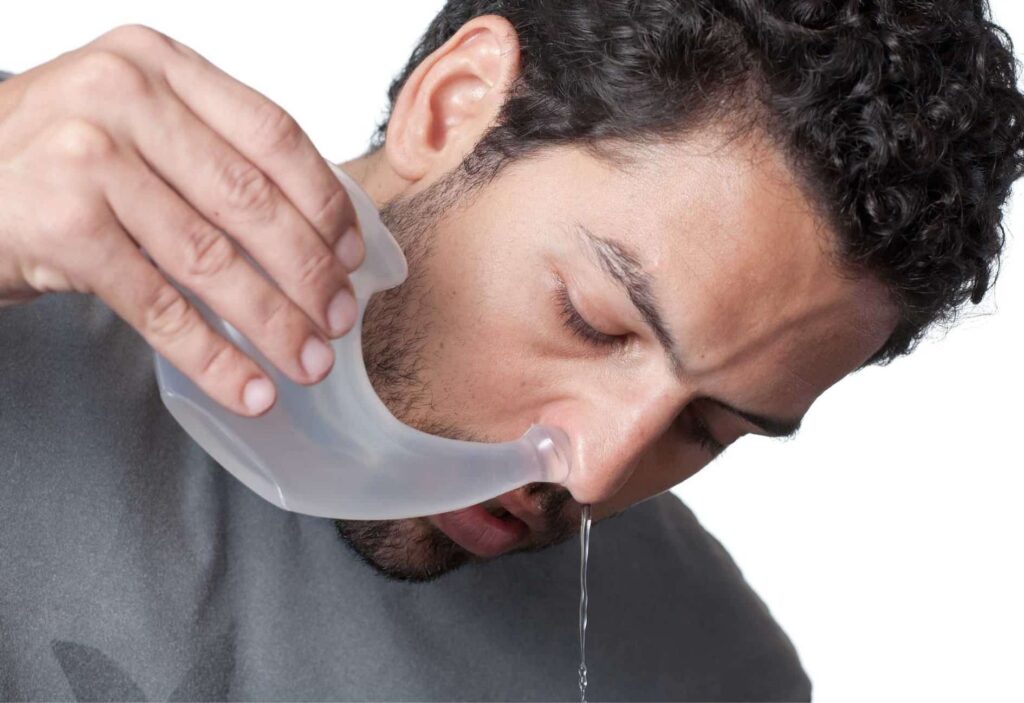
Nasal irrigation is a painless procedure for the prevention or treatment of various diseases of the Upper Respiratory System. It the procedure of cleaning your nose with pure water or a special solt solution.

Scientists have conducted a lot of research and found that nasal irrigation:

-Moisturizes the nasal mucosa, preventing it from thinning under the influence of too dry air.
-Inhibits the development of inflammation.
-Reduces puffiness.
-Helps to remove accumulated mucus in the nasal passages, restores nasal breathing in acute respiratory infections.
-Reduces the symptoms of allergic rhinitis. For example, with a seasonal allergy to pollen, because it washes out allergen particles from the nose.
-Reduces the risk of viral and bacterial diseases.
-Effectively prevents the development of sinusitis.

Even if you don’t feel sick, it is recommended to perform the procedure daily, as well as any hygienic procedure in the morning and evening.

How to do nasal cleaning

1. The tool
For irrigation, you will need a container for salt solution: enema bulb, a syringe without a needle, a neti-pot (this is the name of a special teapot for this procedure). All this can be purchased at the pharmacy.

2. Solution
You can use ready-made pharmacy solutions that contain either seawater or isotonic solutions consisting of a concentrated 0.9% sodium chloride solution. You can make the solution yourself: dissolve 1/2 teaspoon of salt in a glass of water. With increased sensitivity, with a burning sensation, it is necessary to add the same amount of water to the solution. The temperature of the solution is approximately 36.6 C. Take boiled water or any mineral water without gases.

3. Washing
Bend over the sink and turn your head 45 degrees, so that one nostril is higher than the other. Put the syringe into the nostril and pour the liquid under low pressure. It is necessary to breathe through the mouth. The liquid will pass through the nasopharynx and flow out through the opposite nostril. Sometimes some of the solution may come out through the mouth, this is normal. With the second nostril, it is necessary to perform the same, and after  you should blow your nose. During the procedure, it is important to be relaxed.

Read more: HOW LACK OF IRON IN THE BODY LEADS TO FATIGUE

How lack of iron in the body leads to fatigue

What is iron?

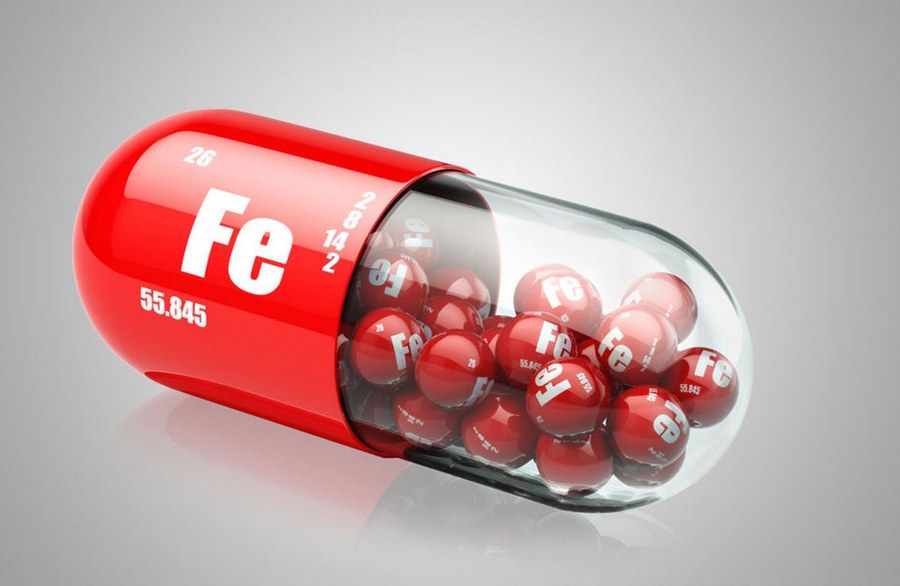
Iron is a chemical element whose value has been known for many centuries.

Iron is poorly absorbed by the body, as it is oxidized (loses energy) when it comes into contact with oxygen. However, the body has developed mechanisms to solve this problem, including adapting the intestinal microflora in order to create better conditions for microbes that more effectively absorb iron.

What is the role of iron in the body?

Iron is the main component of hemoglobin, a protein found in every red blood cell and responsible for the transport of oxygen in the body.
Some of the iron is stored in the form of myoglobin, a protein that includes iron and is found in muscle tissue.

Iron can also be stored in the body as ferritin. Ferritin serves as a store of iron that is released into the bloodstream when needed. Ferritin is stored in two organs: the liver and the heart.

Iron can be divided into heme and non-heme. Heme iron is better absorbed by the body and is often found in animal sources, while non-heme iron is less absorbed and is mainly found in plants.

Sources of iron

Iron is found in many foods, such as beans, spinach, red meat, lentils, and pumpkin seeds. Iron-rich seeds may also contain phytic acid, which impairs iron absorption.

Many foods are additionally fortified with iron, such as beverages, milk, cereals, and condiments. Iron is often added to these foods for better absorption.

Five signs of iron deficiency

Iron deficiency is possible if the body uses more iron than it receives or can absorb. Often, iron deficiency is detected by blood tests for levels of hemoglobin, ferritin, or iron-carrying transport molecules in the body.

One of the main problems associated with iron deficiency is anemia. It is observed in about 30% of the world’s population. Women (especially pregnant women) and children under five years of age are at risk of developing iron deficiency anemia. Iron deficiency can develop for many reasons. Iron levels in the body can be significantly affected by diet and supplementation.

1. Fatigue
Since one of the main functions of iron in the body is to deliver oxygen (in the form of hemoglobin) to various tissues, it is not surprising that we feel tired and weak when there is a lack of iron. Remember how tired you get after an intense workout. During training, you put so much stress on the body that it begins to need more oxygen. This is normal fatigue, in which most likely the body uses iron.

With a lack of iron, the body begins to lack oxygen to supply the muscles with all the necessary nutrients. Fatigue or lethargy is often a reaction of the body, aimed at ensuring that you do not deplete the remaining iron reserves.

2. Dizziness and pre-fainting states
The same applies to the brain. If the brain works hard all day on work or study tasks, then it needs a lot of oxygen to cope with such a load.

If the brain lacks oxygen, it will immediately let you know about it. The brain can get tired, but more often you will feel dizzy or faint. Thus, the brain gives the body a signal to “reset”. With a critical lack of nutrients, especially oxygen, the brain prefers to lose consciousness.

3. Brittle nails
Brittle nails can often be the result of iron deficiency. Due to the reduced oxygen content in the blood flowing to the nails, they begin to bend inward. In addition, the edges of the nails become uneven due to frequent damage.

4. Pallor
Pallor can be a sign of iron deficiency. .

This discoloration under the outer layer of the skin may be caused by a weakened blood flow to these areas. With weakened blood flow, they may look more white than red.

‌‌‌‌5. Shortness of breath
With a lack of iron, the flow of oxygen to all organs, including the lungs, weakens.

The lungs perform the main part of replacing carbon dioxide with oxygen, so that all organs can receive oxygen in the future. However, the lungs themselves need to be supplied with oxygen through the intake of iron and hemoglobin. And when your lungs are short of oxygen, you may feel short of breath.

Iron supplements: a possible solution to the problem of iron deficiency

Studies have shown that the symptoms of iron deficiency are lessened when taking appropriate supplements. Iron supplements are sold in many forms: liquid, capsules, tablets for ingestion and under the tongue.

Iron is often taken with vitamin C, which can make it easier to digest.

Read more: AYURVEDIC TIPS TO STAY HEALTHY IN WINTER

The right way to consume protein

Protein intake, when and how, is the most popular but still questionable moment for those who train. In this article you can find general tips of consuming protein.

The main recommendations of Andrew Hamilton, biochemist, expert on sports nutrition.

Previously, the basic recommendation of protein intake was 1.2 grams per kg of body weight per day. Now 1.6-2 gr. Sprinters and other athletes who have more intense workouts are recommended to 2-2. 5 grams.

— It is important to keep control of how much protein you consume. Everything is written on the products labels, you just need to write it down or use a mobile app. For example, the Myfitnesspal app or similar.

— After training, there is a so-called “window of opportunity” when the muscles are best restored. This applies to both carbohydrates and liquids. More useful if you use them together. This is because carbohydrates stimulate the production of insulin, which promotes faster delivery of amino acids to muscle cells.

— The best option after training is to consume protein, which is quickly absorbed. For example, whey. 20 grams of this protein immediately after training will be more useful in terms of recovery than 20 grams of soy or casein.

– Of course, egg protein is very good, it has all the right amino acids in the right proportions. But whey is the best in terms of speed of assimilation.

— Is it possible to overdo it with protein? Sometimes in sports nutrition, one dose of protein reaches 60 grams. But studies show that at one time more than 20-25 grams the human body can not digest. Do not use more than 20-25 grams at a time, it is better to repeat the dosage after 60-90 minutes. And even better, for the second time, organize a balanced intake of full-fledged food, with a predominance of high-quality protein sources (fish, eggs, meat), with carbohydrates and low fat content.

Read more about products rich in protein here.

How weak feet can lead to headaches?

Do you have back or neck pain?
Do your knees ache?
Do you suffer from headaches?
One of the reasons may be a violation in the foot.

The British Journal of Sports Medicine published an article that raises the question of the importance of stabilizing the foot and working on the small muscles that form the “foot core”.

Foot core muscles

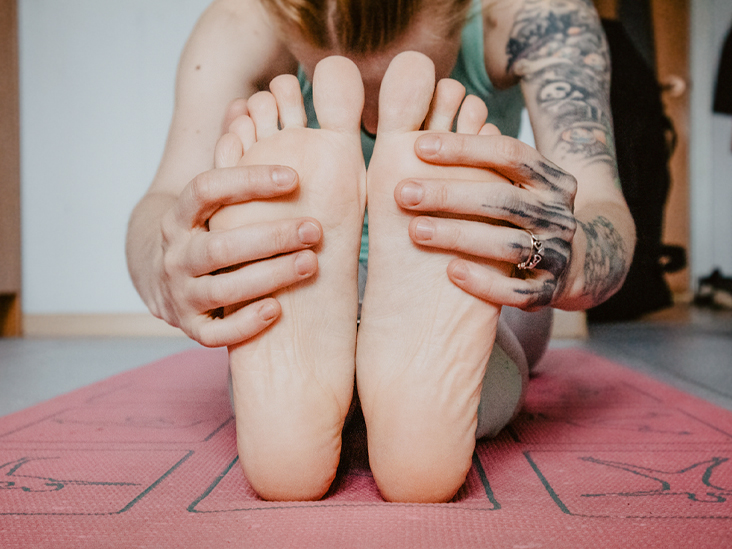
Our foot consists of large and small muscles, which are arranged in layers. There are large muscles that run through the entire foot from the ankle. They are responsible for most of the foot movements. But also there are 11 small ones that are located deeper in the foot. They help to stabilize the body when the foot hits the ground and pushes off while running. They also deform to absorb and store energy in the middle of the position, and support the arch of the foot.

What happens if you have a weak “foot core”?

There are four layers of muscles in the lower leg that support the arch of the foot. If these muscles are weak, then the load will go to the plantar fascia. Therefore, if you want to get rid of plantar fasciitis or prevent its occurrence, you definitely need to strengthen the internal muscles of the foot. Everything is connected in the body, and weak soles can lead to abnormal movements, which will eventually result in problems with the knees, lower back and neck, that can also lead to headaches.

To strengthen the foot, there are several standard exercises.

1. Crumpling a small towel with your feet: you drag the towel across the floor solely with the help of the foot muscles.

2. Put your foot on the floor in a neutral position, and then squeeze it using the internal muscles of the arch of the foot. At the same time, try to make sure that your fingers remain flat on the floor.

3. Another option is minimalistic running shoes or running barefoot.

The first positive changes will be noticeable after four months: the foot will become a little shorter, the arch of the foot will rise. It is these changes that show that the muscles have become really stronger. Another advantage is the increased sensory sensitivity of the foot. It also plays an important role in developing sustainability.

3 main supplements for men

Why you need supplements

Most likely, you lead an active lifestyle, monitor your diet, but you want to make your routine aimed at promoting health and self-improvement even more effective.

By exercising regularly, you expose your body to loads that have both positive and partly negative effects. In the sense that you actively lose microelements (when sweating during training), exercise the load on the joints, muscles and nervous system. This leads to the conclusion that it is necessary to take care not only of the loads that are useful for the body, but also of its recovery and supply with all the necessary vitamins and trace elements.

In this article, we will look at what basic supplements should be included in your diet for men to cover all the needs of the body. We also note that the needs of the male body differ from the needs of the female body due to physical, biological and physiological differences, so we emphasize that we are talking about supplements for men.

It is important to remember that supplements should be used in addition to a balanced, healthy diet that consists of whole, natural foods. They should not be taken as a substitute for healthy food or as a medicine to make up for deficiencies in the diet.

‌‌‌‌Effects of supplements

The positive effects of all the supplements listed below are confirmed by most studies. The main effects that all supplements have, are helping to gain and maintain muscle mass, maintain mental health, naturally produce testosterone, and much more.

The supplements listed below are relatively safe for regular use and do not require too much planning when they are included in an existing regimen.

Basic supplements necessary for a man

1. Proteins
We are talking about protein powders, and as a rule about the most affordable and common – whey isolate.

‌‌‌‌Useful properties of protein powder:

    • The presence of essential amino acids.
      One of the main benefits of including protein powder in your diet is that most of them contain essential amino acids. This is a key point in daily muscle building and recovery, as well as after heavy workouts. Some protein products do not contain all the amino acids, so taking supplements is a reliable way to provide yourself with enough of them.Most often, a protein supplement is consumed after a workout, as the body is more susceptible to using protein for protein synthesis. Protein synthesis is the process of using protein to repair muscle, and this is where the idea of the “anabolic window” comes from. Although the specified “window” is much longer than previously thought (from 30 minutes to 6 hours or more).

‌‌‌‌2. Creatine
Creatine is an organic compound that occurs in vertebrates and plays a role in the recycling of adenosine triphosphate (ATP), which is involved in energy metabolism in muscle and brain cells.

‌‌‌‌Useful properties of creatine:

    • Increased aerobic capacity.
      In a 2003 study published in the International Journal of Sports Nutrition and Exercise Metabolism, the authors suggested that creatine helped improve the performance of elite rowers during endurance training.
    • Promotes improved muscle strength and recovery.
      Studies show that creatine contributes to the production and maintenance of energy by effectively utilizing and maximizing the phosphocreatine energy system in skeletal muscles. Thus, if the energy systems are brought to the maximum, then there is a higher probability of increasing productivity.
    • Improving cognitive function.
      In addition to improving physical fitness, creatine also has a positive effect on cognitive function. A study published in 2018 in the journal Experimental Gerontology found that creatine has a positive effect on memory and thinking in healthy young adults.

‌‌‌‌3. Magnesium
In fact, magnesium is important for energy production, nervous system regulation, gene maintenance, protein formation, and the list goes on and on.

Useful properties of magnesium:

    • Improves mood and brain function
      Magnesium plays an important role in the healthy daily functioning of the brain and the formation of a good mood.
    • May help lower blood pressure.
      Studies have shown that magnesium helps improve blood circulation and may contribute to a small but consistent positive effect on lowering blood pressure.

Why you train and not muscles grow but fat

Peple who train and want to gain weight face a situation when the weight grows, but not the muscles. You keep training and get more calories and see yourself just getting fatter. Let’s understand the reasons for that and find the ways to avoid that.

How muscles grow?

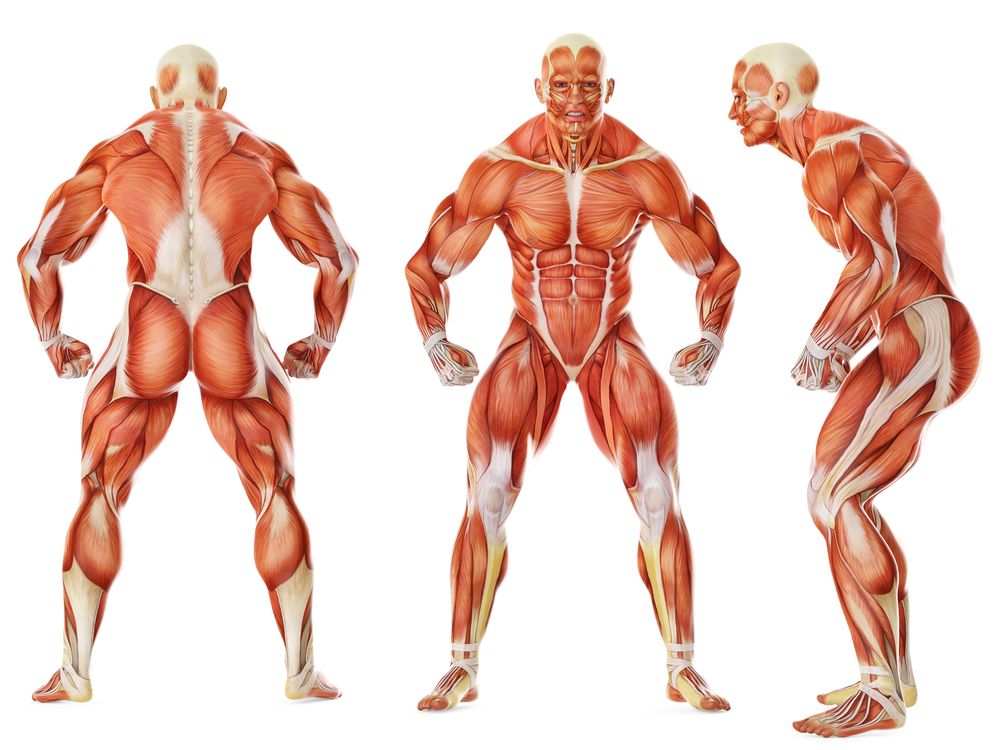
The reason for the increase in excessive fat is obvious – the consumption of too many calories. But muscles need extra calories to grow? Right. The problem of  “mass growing” people is that they do not quite understand how much energy the muscles need to grow.

For the synthesis of 1 gr. of muscle tissue, approximately 20-22 kilocalories are required. The growth of a kilo of muscle will require about 20,000 calories. This is a lot, so why does so much fat build up, since the requirements are so high?

Because muscles grow very slowly, and increased calorie intake does not affect the speed of muscle growth in any way.

If you are a beginner, you have the highest potential for muscle growth. But 5-6 kg of muscle per year is a good indicator for good genetics. Most can count on 3-4 kg.
Let’s calculate: 5 kg of muscle is 100 000 kcal. For a year. Divide by 365 = 274 kcal per day. Total! How much do you eat extra?

Anything eaten beyond that will go into fat. And these are numbers for beginners. For people experienced in training, the potential for muscle growth is even lower. If your experience is 5+ years of training, you can count on a kilo of muscle per year, maximum. This is an additional 20,000 kcal per year. 50-70 kcal per day extra.

The connection between fat, muscles and calorie intake

So, if you have a large amount of fat (more than 20% for men and more than 30-35% for women), and you want to build muscle, do not try to “sit on the mass”. Reduce your calorie intake by 15%, and exercise actively, increase your protein intake.

If you have been training for a long time, your fat percentage is about 15% (for men), or about 20-30% (for women), you also do not need to “sit on the mass” to build muscle. You need up to 100 kcal per day extra for your muscles to grow.

If you notice that a sharp weight gain begins, this is a sign to reduce the calories intake.

The only case when it is necessary to decently increase the caloric content of food for muscle growth is when the percentage of fat is very low. Less than 10-12% for men and 15% for women.

How to run in winter

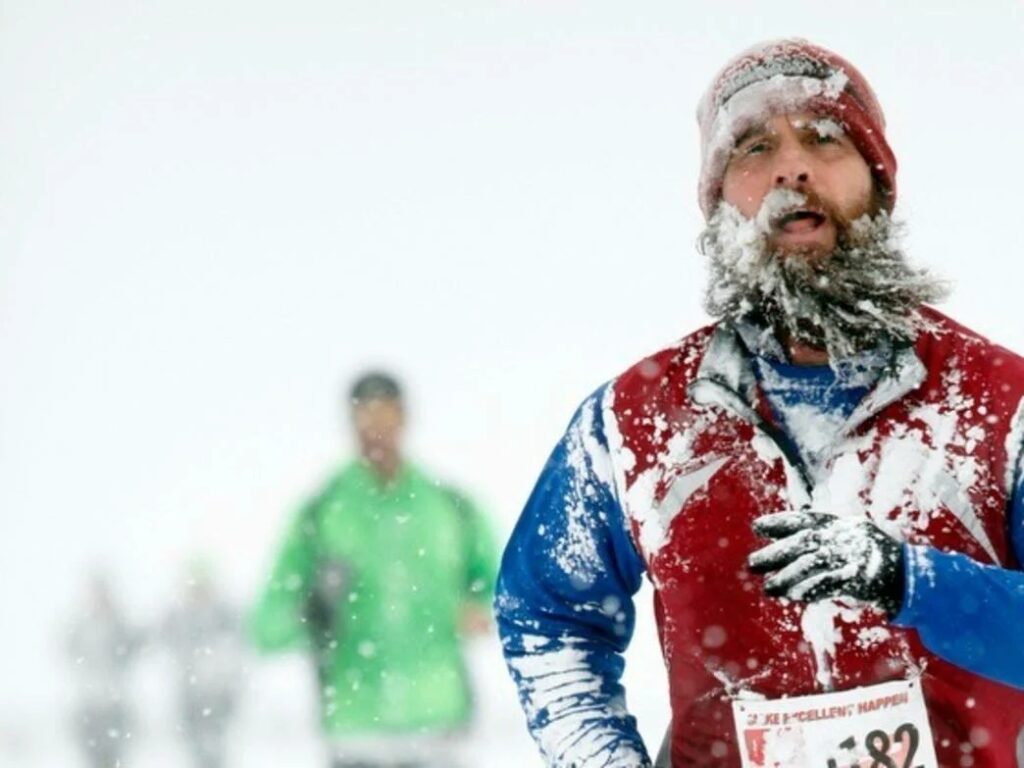
Many running lovers interrupt their regular outdoor training with the arrival of winter, citing the cold and bad weather conditions.

But if you take into consideration some recommendations on clothing and running techniques, you can continue training in the fresh winter air and achieve new results.

Advantages of running in winter

1. Winter runs help strengthen the immune system, reducing the likelihood of colds.

2. There are also psychological benefits. The difficult conditions of winter running will make you purposeful, disciplined and responsible.

3. Cold increases the effectiveness of running workouts for those who want to lose weight. Low ambient temperature forces the body to expend more energy, since in addition to physical activity, it spends it on warming the body. Thus, the consumption of calories increases.

4. Overcoming slippery or uneven areas gives additional functional load and helps to strengthen the muscles that were not used in the summer when running on a comfortable surface.

How to breathe properly while running in winter

Run in the cold at a pace that allows you to inhale through your nose. If you need to open your mouth slightly while inhaling, you should press your tongue against the roof of your mouth. It is better to exhale through the mouth – this will completely clear the lungs of carbon dioxide.

Winter running clothes

1. Shoes
For wet asphalt, road running shoes are suitable, and for snow and ice, choose models with a good tread.

Usually, the feet stay warm due to constant movement, so there are enough summer sneakers. However, it is better that the sneakers are 0.5-1 size larger than usual, so that you can wear a tight sock or two at once.

2. Socks
The main thing is that the socks are not only warm, but also remove moisture, do not rub your feet.
In the cold, you can also use special trekking synthetic socks – like running socks, they remove moisture and keep you warm, even when wet.

3. Layering in clothing
The main principle in the selection of clothing for winter running is multilayering. The lower layer removes moisture, the middle layer retains heat, and the upper layer protects from wind and precipitation.

Thus, it is better to wear thermal underwear down, the second layer is fleece (it warms even when wet and removes moisture). Top layer: windbreakers, membrane jackets or sweatshirts made of windproof material such as WindStopper.

As the temperature decreases, you need to gradually increase the number of layers. And each person individually determines at what point he needs to get dressed for a run warmer.

4. Hats
The hat should remove sweat and excess heat outside.
The hat needs to “breathe” to keep you warm and cover my ears. In addition, it is better to choose a synthetic hat, since the wool is easier to blow and does not remove moisture.

5. Buff
Some runners prefer to train in the winter not in a hat, but in a buff. It protects the respiratory tract from cold air. However, if you breathe through the fabric, condensation will begin to form on it, which will then interfere with normal breathing.

6. Gloves
As in the case of a hat, it is better to use synthetic gloves. They should not only keep warm, but also remove moisture, as when running, your hands sweat a lot.

It is advisable that the gloves have windproof inserts that will protect your hands. In severe frosts, many runners switch from gloves to mittens, as they retain heat better.

How to run outdoors in winter and not catch a cold

    1. Before you start running, do a warm-up for all muscle groups. At the same time, it should be performed in a warm room, before going outside. Special attention should be paid to the foot. The warm-up should be as simple as possible – we need to warm up the muscles, not sweat.
    2. Dress according to the weather, you should not be either hot or cold. When you first go outside, it’s best to feel cool. If you are immediately warm, it is better to go back and change your clothes.
    3. Finish your run near your home, office, or at least by your car.  After training, you should not be outside for a long time.
    4. When you get inside, change your clothes as quickly as possible and drink something hot.

Summery of Rules for running in winter

    1. Do low-intensity workouts on the street.
    2. Inhale through your nose and exhale through your mouth.
    3. Choose a route with cleared paths. If you have to run through snow and ice, put your feet carefully. Be as focused as possible on your run and don’t get distracted.
    4. Warm up at home before running.
    5. Choose sneakers, taking into account the surface on which you will run.
    6. Choose your clothes according to the weather conditions and personal thermoregulation. When you first went out for a run, you should be cool.
    7. Strengthen the muscles, ligaments-stabilizers and the ankle joint.
    8. Start running workouts in the warmer months, and let your body get used to running in the cold. If you start running in the winter, gradually increase the training time and the number of runs.

How to resist someone’s else anger

What is anger?

Anger is a response to such stimuli as resentment, hurt self-esteem and mental suffering. The man gets angry and screams, trying to protect himself.

Anger is not just an emotion, but a form of affect. It is characterized by intensity and short duration. For a few minutes, not only the mental, but also the physiological state changes dramatically: muscles contract, blood flows, breathing becomes difficult.

The form and depth of its expression depend on the characteristics of socialization. If it is customary in the family to talk in raised tones, the child is more likely to become an impulsive person, igniting from any spark.

Anger is felt by everyone, regardless of gender, age, or race. A person in a rage often does not control his words and actions.

How to resist someone else’s anger

1. Breathe
Once you are in the field of view of an angry person and feel that his excitement is transmitted to you, start breathing slowly and deeply.
Try to take only 6-10 breaths per minute. Always through the nose. Slow breathing helps to calm down.

2. Get distracted
If you start to delve into the message of an angry person, there is a danger of getting involved in a fruitless debate. In order not to listen, remember some children’s song or rhyme.  You will distract yourself from the angry speeches of your opponent and miss his taunts.

3. Be ironic
A man in anger looks quite comical. If you manage to distract yourself from his words, you will certainly notice it. But do not mock the man. Smile kindly. And rage will be replaced by mercy.

4. Pull away
Go to another room, take a walk, do something.
If there is no chance to withdraw yourself, then do it in your head. Imagine that there is a brick wall between you and the person shouting at you. This will help build psychological protection.

5. Forgive
In anger, a person does not realize what he is doing. And when the rage has passed, he feels guilty. Make it clear that you do not hold a grudge. So it will be easier for the broken person to sincerely repent and resume a constructive dialogue.

Remember the Indian wisdom: he who does not respond with anger to anger saves both himself and the angry one.

Why it is important to maintain a healthy sleep and how to do it

Healthy sleep is considered one of the three most important foundations of health. However, sleep disturbance is a common phenomenon that significantly affects the quality of life.
Sleep physiology is actively studied by science and thanks to research, we can know what psychological techniques and supplements can be used to maintain a healthy sleep.

Why is sleep so important for health?

The relationship between sleep and the health of our body cells, including the proper functioning of brain cells, has been scientifically proven. When we do not get enough sleep, our bodies recover more slowly, our mood decreases, our condition becomes unstable, and our concentration and attention stability deteriorate.

The American Academy of Sleep Medicine and the Sleep Research Society “recommend that adults sleep at least seven hours each night to maintain optimal health and well-being. Sleeping less than seven hours a day is associated with an increased risk of developing chronic conditions such as obesity, diabetes, high blood pressure, heart disease, stroke, and frequent mental disorders.”

The main causes of poor sleep

Bad sleep can manifest itself in various forms. These can be problems falling asleep or waking up frequently at night. This may be due to various reasons:

    • High levels of daytime stress
    • Excessive use of caffeine, nicotine and / or alcohol
    • The influence of electronics and the destructive effects of blue light
    • Anxiety, depression and hormonal imbalance
    • Violation of the circadian rhythm due to irregular daily routine (due to travel, work, social life)
    • Late meals right before bedtime

How to improve your sleep

Try to introduce rituals into your life that will help improve sleep.

1. Activate your parasympathetic nervous system (it is responsible for the state of rest and digestion of food).
Digestion of food promotes the outflow of blood from the brain to the abdomen, which means that the central nervous system slows down, and you feel sleepy. Slow breathing, stretching exercise helps to relax the body.

2. Eat natural foods at least two hours before bedtime.
Eating processed foods that cause blood sugar spikes can cause stress hormones such as adrenaline to circulate in the body at night. Natural products are much easier to digest and help to reach a state of rest faster. Choose healthy fats, a variety of organic plant products and protein.

3. The room should be dark and cool.
Studies show that our body rests deeper at cooler temperatures in the range of 16.6 to 21 degrees Celsius. The darkness in the room has the same effect. Avoid the light, it stops the production of melatonin, the hormone that tells your body it’s time to sleep.

4. Reduce the impact of electronics.
If possible, turn off your devices at least two hours before bedtime. If you’re often under fluorescent lights or at the screen, buy a pair of blue-light-blocking glasses to wear during the day and evening. There are also supplements for the health of the visual system that you can include in your diet.

5. Avoid exercise before going to bed.
Of course, we need daily physical activity, but exercise for three hours before going to bed can have a stimulating effect and provide a release of cortisol (the so-called second wind).

6. Sleep for eight hours.
Try to put your head on the pillow every evening at a certain time until 23: 00. Cortisol spikes can occur around 23:00, and if you stay awake after that time, you may not fall asleep for much longer than you would like.

7. Take sleeping supplement.
Many minerals and vitamins such as magnesium, melatonin, melissa, vitamin B6, amino acids and plant compounds are scientifically proven to improve sleep.

Natural remedies that improve sleep

1. Magnesium

It is believed that this useful mineral promotes muscle relaxation, hydration, energy production and deactivation of adrenaline. The Journal of Research in Medical Science reports that supplements containing about 500 mg of magnesium in a daily dose help to relieve insomnia and improve sleep efficiency.

2. Melatonin
Melatonin is a natural sleep hormone that is produced at night by the pineal gland of the brain and provides a daily rhythm of sleep and wakefulness, called the circadian rhythm.

Some foods contain melatonin or tryptophan, an amino acid that helps boost melatonin levels. Here are some of them:

bananas
rice
ginger
tomatoes radishes

A more common way to get more melatonin is by taking supplements.

3. Lemon mint leaf
Lemon mint, or melissa officinalis is effective for finding peace of mind and improving the quality of sleep. One double-blind study found that a dose of 600 mg of standardized extract not only helped maintain a balanced emotional state, but also contributed to overall calm.

Melissa can be taken in the form of tea, tinctures and capsules, as well as in the composition of chewable sweets to improve sleep.